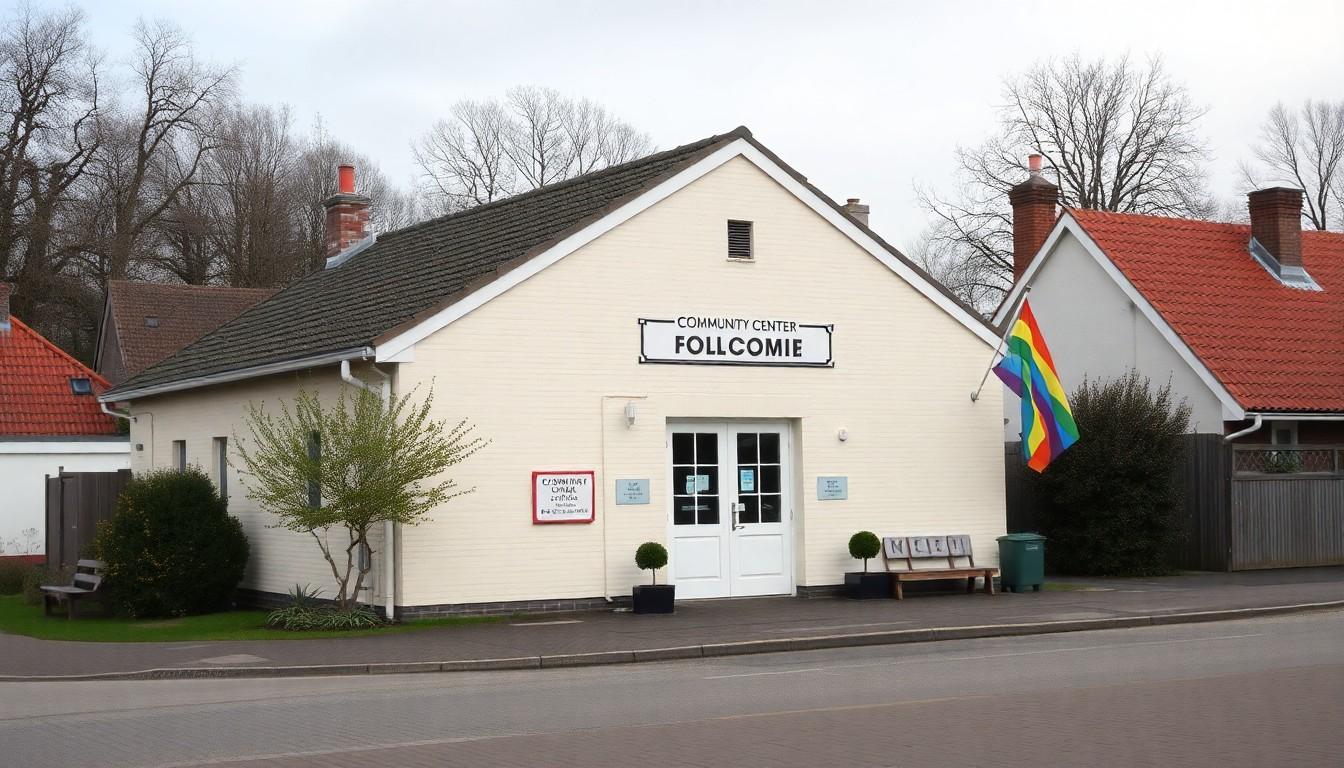
Residents and allies gathered in Reusel for the first Roze Revolte, a colourful celebration created after rainbow flags were removed from homes. The event brought performances, music and practical support to the Kempen, while highlighting why LGBTQ+ people in smaller communities can still feel watched, isolated or less free to be themselves.
Essential Takeaways
- A local response: The event followed the removal of rainbow flags in the area.
- Visibility matters: Around 50 people attended performances and community activities.
- Rural pressure: Speakers described feeling more exposed in villages than in larger cities.
- Support on hand: COC, the GGD, LEVgroep and Discriminatie.nl offered information.
- A bigger ambition: Organisers hope the gathering becomes a regular event.
Reusel's first Roze Revolte turns protest into celebration
Rainbow flags fluttered through Reusel as performers, DJs and visitors gathered for the first Roze Revolte. The mood was lively, but the reason for the event was serious: local organiser Igor Fiers wanted to answer intolerance with visibility, community and a little well-earned glamour.
The gathering attracted about 50 people, with drag performances, whacking, dancing and a late-night club event. It was bright, noisy and deliberately public, which is rather the point when a community has been made to feel as though it should keep itself small.
According to NOS coverage of earlier Pride events, public celebrations have long combined festivity with a reminder that equal acceptance remains unfinished work. That balance was clear in Reusel too. (NOS)
Why smaller towns can feel less accepting
For queer people in rural areas, visibility can be complicated. In a close-knit town, being noticed may feel less like recognition and more like scrutiny, particularly when local attitudes are mixed.
One speaker described finding it easier to come out after moving to Eindhoven, while another said he struggled for years to feel at home in the Kempen. The contrast isn't necessarily about every individual in a town being hostile. Often, it's the sense that there are fewer places to meet others, fewer openly queer role models and nowhere to disappear when things become uncomfortable.
That need for safe, familiar spaces also appears in reporting on LGBTQ+ older people in care homes, where some residents have felt pressure to hide their identity again. The setting changes, but the emotional calculation is familiar: will I be accepted if I show people who I really am? (NOS)
From rainbow flags to everyday visibility
The Reusel event also reflects how rainbow symbols have travelled into everyday public life. Flags, coloured road features, sports campaigns and themed products have all made LGBTQ+ visibility more common, although visibility alone doesn't guarantee safety or acceptance.
NOS has reported on rainbow-themed road installations, pink football initiatives and the growing use of Pride branding by businesses. These gestures can help normalise difference, but they work best when they're backed by action, education and support rather than treated as seasonal decoration. A rainbow bunting display is cheerful; a trusted adult, a school ally or a clear reporting route can be life-changing. (NOS)
That distinction matters in smaller communities. A flag outside a home may be a simple statement of solidarity, but removing it sends a very different message. The response in Reusel was to put the flags back into public view and create a place where people could meet face to face.
What makes a local LGBTQ+ event useful?
A strong community event needs more than a stage. In Reusel, visitors could find information from the COC, the GGD, LEVgroep and Discriminatie.nl Peel en Kempen, giving the day a practical side alongside the music and performances.
For anyone planning or attending a similar event, the basics are surprisingly important. Look for clear information about support services, accessible venues, safeguarding, quiet spaces and ways to stay connected afterwards. A single afternoon can open the door, but regular contact is what helps people feel less alone.
The format can be celebratory without becoming superficial. Drag artists and DJs bring energy, while information stands and local organisations help turn that energy into something lasting.
Could the Roze Revolte become a regular fixture?
Fiers hopes the Roze Revolte will return and grow into a recurring meeting point for queer people across the Kempen. That ambition echoes the wider history of Pride events in the Netherlands, which have repeatedly used celebration to ask what remains unresolved.
Earlier coverage of Roze Zaterdag showed how these occasions can draw attention to progress while keeping pressure on institutions and communities. Reusel's first event was smaller, but its message was just as direct: people shouldn't have to move to a city before they can live openly. (NOS)
There was something quietly powerful about the combination of dancing, advice and conversation. For younger people especially, seeing adults claim joy in public can make the future look less narrow. As one participant's experience suggests, pride isn't only about a colourful event; it's also about finally feeling that the pieces fit.
A local Pride event can turn a difficult conversation into a shared, visible celebration.
Source Reference Map
Story idea inspired by: [1]
Sources by paragraph: