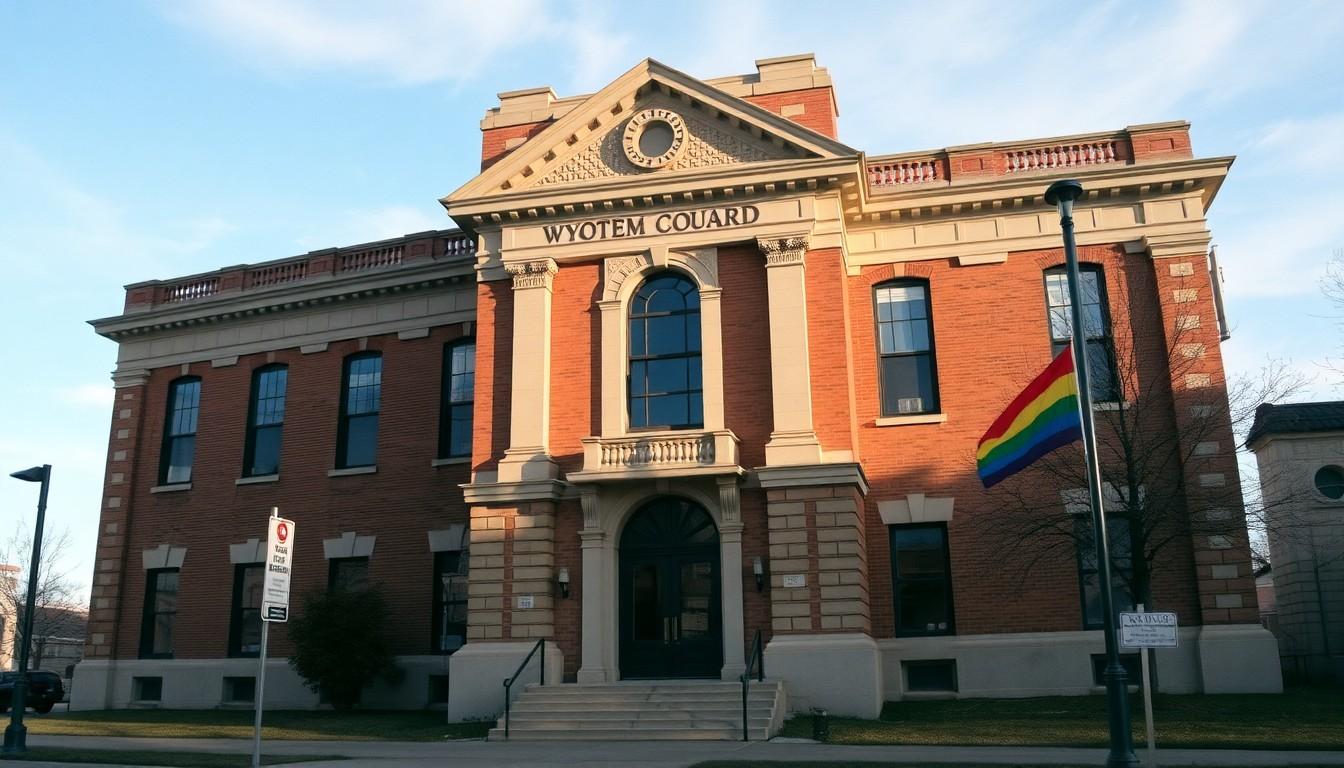
Readers are revisiting Matthew Shepard’s story as what would have been his 50th birthday approaches in December 2026. His killing became a defining moment in LGBTQ+ history, exposing the cruelty of anti-gay violence and helping drive a wider conversation about hate crimes, education and the enduring power of remembrance.
Essential Takeaways
- A life cut short: Matthew Shepard died on 12 October 1998, aged 21, after a brutal anti-gay assault in Wyoming.
- A national turning point: His death helped bring hate-motivated violence against LGBTQ+ people into sharper public focus.
- Memory has a purpose: The Matthew Shepard Foundation continues his family’s work through education, advocacy and support.
- History remains vulnerable: Teachers and campaigners warn that LGBTQ+ stories are still too often absent from classrooms.
- The wider lesson: Remembering Shepard is not only about grief, but about challenging the conditions that allow hatred to thrive.
Why Matthew Shepard’s story still carries such weight
Some stories refuse to become ordinary history. Matthew Shepard’s is one of them, partly because of the shocking cruelty of the attack and partly because of the tenderness people remember in the young man at its centre.
Shepard was 21 when he was attacked in Laramie, Wyoming, in October 1998. He was found tied to a fence and died several days later, a case documented by History and widely reported as an anti-gay hate crime.
The details are painful, but reducing his life to the violence would miss something important. Friends and family remembered a warm, curious person who cared about human rights and made a strong impression on those around him. That contrast, between his promise and the brutality that ended it, is why his name still lands with such force.
The murder that changed America’s conversation
Before Shepard’s death, anti-LGBTQ+ violence was hardly unknown. What changed was the scale of national attention. His murder became a symbol of the danger faced by people targeted because of their sexuality, while also exposing how frequently hate crimes went under-reported or were treated as isolated incidents.
The case arrived during a period when openly LGBTQ+ lives were still routinely caricatured in political debate and popular culture. As the Crime Museum’s account makes clear, the crime shocked the public not simply because it was violent, but because the victim was targeted for being gay.
That attention helped build momentum for stronger legal protections. The Matthew Shepard and James Byrd Jr. Hate Crimes Prevention Act, signed into US law in 2009, expanded federal recognition of crimes motivated by a victim’s sexual orientation or gender identity. Law doesn't erase prejudice, of course, but it can make a society’s priorities visible.
Remembrance became a form of activism
Theatre and film also carried the story far beyond Wyoming. The Laramie Project, created from interviews with residents after Shepard’s death, became one of the most widely recognised works about the aftermath of anti-gay violence.
Its power lies in the ordinary voices around the case: neighbours, officials, friends and people wrestling with what their community had become known for. Rather than offering an easy explanation, it asks audiences to sit with responsibility, complicity and grief.
Meanwhile, the Matthew Shepard Foundation has continued to promote equality, compassion and acceptance. Its work reflects a broader truth: memorials matter most when they remain connected to action. A name on a plaque is meaningful, but education, allyship and support for vulnerable people give remembrance a pulse.
Why schools still matter so much
A generation may recognise Shepard’s name without knowing the details of his life or the movement that grew around his death. That gap matters. When schools omit LGBTQ+ people from history, literature and social studies, young people lose context for understanding both past violence and present-day debates.
It also leaves room for myths to flourish. Students deserve more than a single tragic headline; they should learn about Shepard as a person, the legal changes that followed, the role of his family and the activism that transformed sorrow into public pressure.
Teachers working in difficult political climates may need to approach the subject carefully, but silence isn't neutral. In fact, excluding LGBTQ+ history can make prejudice feel more established than it is. A fuller curriculum gives students language for empathy, evidence for discussion and a clearer sense of how progress is made.
What Matthew Shepard’s legacy asks of us now
The years since Shepard’s death have brought genuine advances, including greater visibility and legal recognition for LGBTQ+ people. Yet advocacy groups and news reports have continued to document violence, harassment and political hostility directed at queer communities.
That tension makes anniversaries more than solemn dates. They offer a chance to measure what has changed without pretending the work is finished. The question isn't whether one story can represent every LGBTQ+ experience, but whether we use it to look more closely at the people and systems around us.
As his 50th birthday approaches, the most fitting tribute is not to freeze Matthew Shepard in 1998. It is to remember the life he might have lived, the people he might have loved and the work he might have done. Memory should open the future, not merely revisit the past.
Remembering Matthew Shepard means keeping compassion louder than hate.
Source Reference Map
Story idea inspired by: [1]
Sources by paragraph:
- Paragraph 1: [2], [3]
- Paragraph 2: [4], [5]
- Paragraph 3: [6], [7]
- Paragraph 4: [4], [5]
- Paragraph 5: [2], [3]
- Paragraph 6: [4], [6]
- Paragraph 7: [5], [6]
- Paragraph 8: [4], [7]
- Paragraph 9: [2], [3]
- Paragraph 10: [5], [6]
- Paragraph 11: [4], [6]
- Paragraph 12: [2], [5]
- Paragraph 13: [4], [7]
- Paragraph 14: [5], [6]
- Paragraph 15: [2], [4]