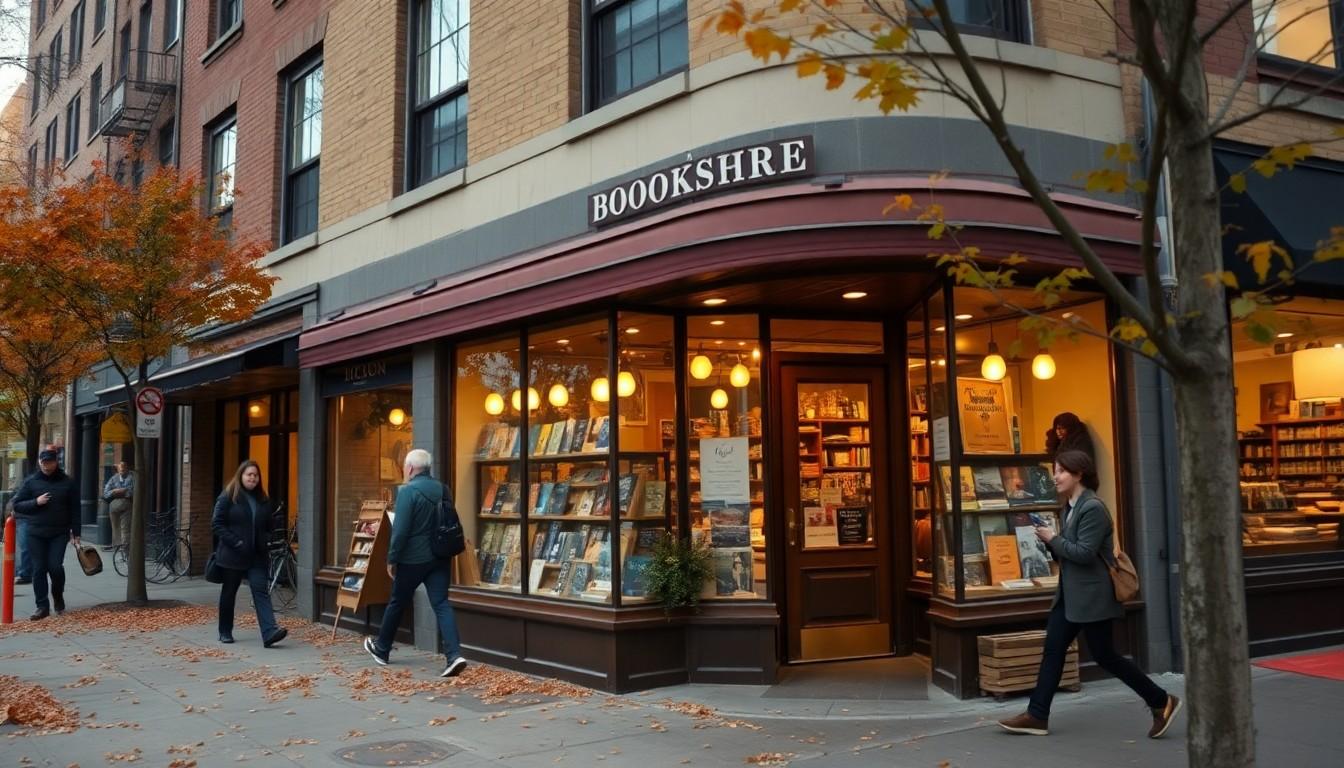
Readers are turning to queer horror books for stories where LGBTQ+ characters aren't the victims waiting in the shadows, but the people confronting the darkness head-on. From lesbian vampires and haunted schools to conversion camps and body horror, this growing shelf offers fresh scares with plenty of emotional bite.
Essential Takeaways
- Queer horror has deep roots: Classic gothic fiction, including lesbian vampire tales, helped shape the genre's uneasy relationship with identity and desire.
- The modern shelf is wide-ranging: Picks span gothic horror, supernatural suspense, slashers, psychological terror and unsettling fantasy.
- Representation changes the fear: LGBTQ+ characters are given agency, complicated desires and the chance to fight back.
- Start with your preferred flavour: Choose atmospheric dread, graphic body horror or fast-moving survival horror depending on your tolerance for nightmares.
- Check content warnings: Themes can include abuse, conversion therapy, cannibalism, family violence and disordered eating.
Queer horror is rewriting the monster story
For decades, queer identity was often coded through the figure of the monster. The vampire, the decadent outsider and the beautiful danger at the window all carried suggestions of forbidden desire, even when the text couldn't say so plainly.
Today's queer horror books are doing something more interesting. They keep the old gothic atmosphere - misty houses, locked rooms and things moving just beyond the light - but give LGBTQ+ characters the perspective, agency and language that earlier stories denied them. The result is horror that can feel both thrilling and corrective.
As wider queer-horror reading lists show, the category now reaches well beyond vampires. It includes haunted institutions, family curses, occult conspiracies, brutal coming-of-age stories and speculative nightmares, according to the round-ups collected by Literally Horror and The Mary Sue.
Start with the gothic classics, then follow the blood trail
Joseph Sheridan Le Fanu's Carmilla remains the obvious place to begin. Published before Dracula, this compact gothic novella centres on Laura, whose isolated life is disrupted by the arrival of the magnetic Carmilla. Attraction, illness and death soon become impossible to separate.
Its influence is enormous, particularly on lesbian vampire fiction. A modern edition with commentary by Carmen Maria Machado adds useful context to a story that still feels charged, even beneath its antique prose. It isn't a long read, but its atmosphere lingers like cold air under a door.
Kat Dunn's Hungerstone takes that foundational idea and brings it into a more contemporary, psychologically charged frame. Lenore's unhappy marriage, the arrival of Carmilla and a mysterious illness affecting local women create a story about appetite in every sense. Desire here isn't a decorative subplot; it's the force threatening to crack open an entire life.
Readers looking for more sapphic gothic fiction will find similar territory across specialist queer-horror recommendations, including lists focused specifically on lesbian characters and relationships from QueerHorror.com.
Haunted schools and dark institutions raise the stakes
Andrew Joseph White's The Spirit Bares Its Teeth turns Victorian repression into a genuinely frightening setting. Silas Bell, a trans man with access to a spiritual veil, is confined to a school that intends to force him into an identity and future he rejects. The school feels oppressive before the supernatural horror fully arrives, which makes every whisper and shadow hit harder.
C.G. Drews's Don't Let the Forest In takes a more dreamlike route. Andrew, a young writer at an elite academy, discovers that his friend's drawings of monsters have crossed into the real world. The pair must confront the creatures together, even as their bond becomes increasingly tangled with obsession.
Both books understand that institutions can be frightening long before anyone sees a ghost. A school, family or social system can make its rules feel inescapable, then add something supernatural to turn pressure into outright terror. That combination is one reason queer horror often lands with such emotional force.
For shoppers choosing between them, The Spirit Bares Its Teeth suits readers who want gothic world-building and trans-centred horror, while Don't Let the Forest In leans towards dark academia, artistic obsession and fairytale menace. Broader queer-horror lists place both alongside similarly atmospheric contemporary titles.
Want something visceral? Try body horror and survival terror
Jade Song's Chlorine follows Ren Yu, a swimmer whose devotion to performance develops into an all-consuming fixation. Mermaid mythology begins to blur with bodily transformation, ambition and self-destruction, creating a slippery psychological horror that feels especially suited to readers who like their monsters to emerge from inside the body.
Caitlin Starling's The Starving Saints offers a different kind of physical dread. A castle has been under siege for months when miraculous visitors arrive with food and healing. Their apparent salvation soon becomes deeply suspicious, and the trapped inhabitants are forced to question what they're consuming and what they're becoming.
These aren't breezy beach reads, unless your beach happens to be haunted and carnivorous. They're better suited to readers who enjoy horror that makes ordinary sensations - hunger, exercise, flesh and appetite - feel suddenly unsafe. Queer-horror catalogues and recommendation lists also show how often body horror overlaps with stories about desire, control and transformation.
If you prefer a cleaner survival setup, Kalynn Bayron's You're Not Supposed to Die Tonight offers a slasher-style alternative. Charity works at a live-action horror attraction based on a classic film, but when colleagues start disappearing, the game becomes deadly. Her girlfriend Bezi is part of the fight, giving the story a propulsive, high-stakes centre.
Conversion horror and family secrets hit closer to home
Chuck Tingle's Camp Damascus puts evangelical extremism and conversion therapy at the centre of its nightmare. The fictional Church of the Pine runs a highly effective camp intended to drive out supposed demons, but the religious community is hiding something far more disturbing.
The premise gives familiar supernatural language an ugly new context. Instead of treating queerness as the threat, the novel turns its attention towards the systems trying to erase it. That reversal is frightening, but it can also feel sharply cathartic.
Vincent Tirado's You Should Have Been Nicer to My Mom shifts the focus to a wealthy family trapped together after a warning in a will reveals a demonic pact. Xiomara must work out which relative is connected to the curse while old scandals and resentments rise to the surface.
Family horror works particularly well here because the danger isn't only lurking in the cellar. It's sitting at the dinner table, hiding in inheritance disputes and speaking through people who insist they know what's best. Tirado has also discussed the novel's gothic construction on panels, adding to its appeal for readers who enjoy both supernatural puzzles and character-driven dread.
How to choose your next queer horror read
For a classic gothic mood, begin with Carmilla or Hungerstone. If you want trans-led horror with a harsher institutional edge, The Spirit Bares Its Teeth is the stronger choice. Fans of eerie schools and literary darkness may prefer Don't Let the Forest In, while slasher readers should reach for You're Not Supposed to Die Tonight.
Check the trigger warnings before buying, particularly for books involving conversion therapy, abuse, eating disorders, family violence or graphic body horror. QueerHorror.com's genre lists and ratings provide useful starting points for comparing themes and intensity, although individual tolerance will always vary.
The most exciting thing about this corner of publishing is its range. Queer horror can be lush and romantic, messy and grotesque, funny in a pitch-black way or so unsettling that you keep the hallway light on. Most importantly, it lets queer characters be complicated people rather than symbols - and sometimes, finally, the ones holding the knife.
Explore the shelf by atmosphere, then let your tolerance for the dark guide you.
Source Reference Map
Story idea inspired by: [1]
Sources by paragraph:
- Paragraph 1: [2], [4]
- Paragraph 2: [3], [5]
- Paragraph 3: [4], [7]
- Paragraph 4: [5], [6]
- Paragraph 5: [2], [3]
- Paragraph 6: [4], [5]
- Paragraph 7: [5], [7]
- Paragraph 8: [2], [4]
- Paragraph 9: [3], [6]
- Paragraph 10: [5], [7]
- Paragraph 11: [2], [4]
- Paragraph 12: [3], [5]
- Paragraph 13: [5], [6]
- Paragraph 14: [2], [3]
- Paragraph 15: [4], [7]
- Paragraph 16: [5], [6]
- Paragraph 17: [2], [4]
- Paragraph 18: [3], [5]
- Paragraph 19: [5], [7]
- Paragraph 20: [2], [6]