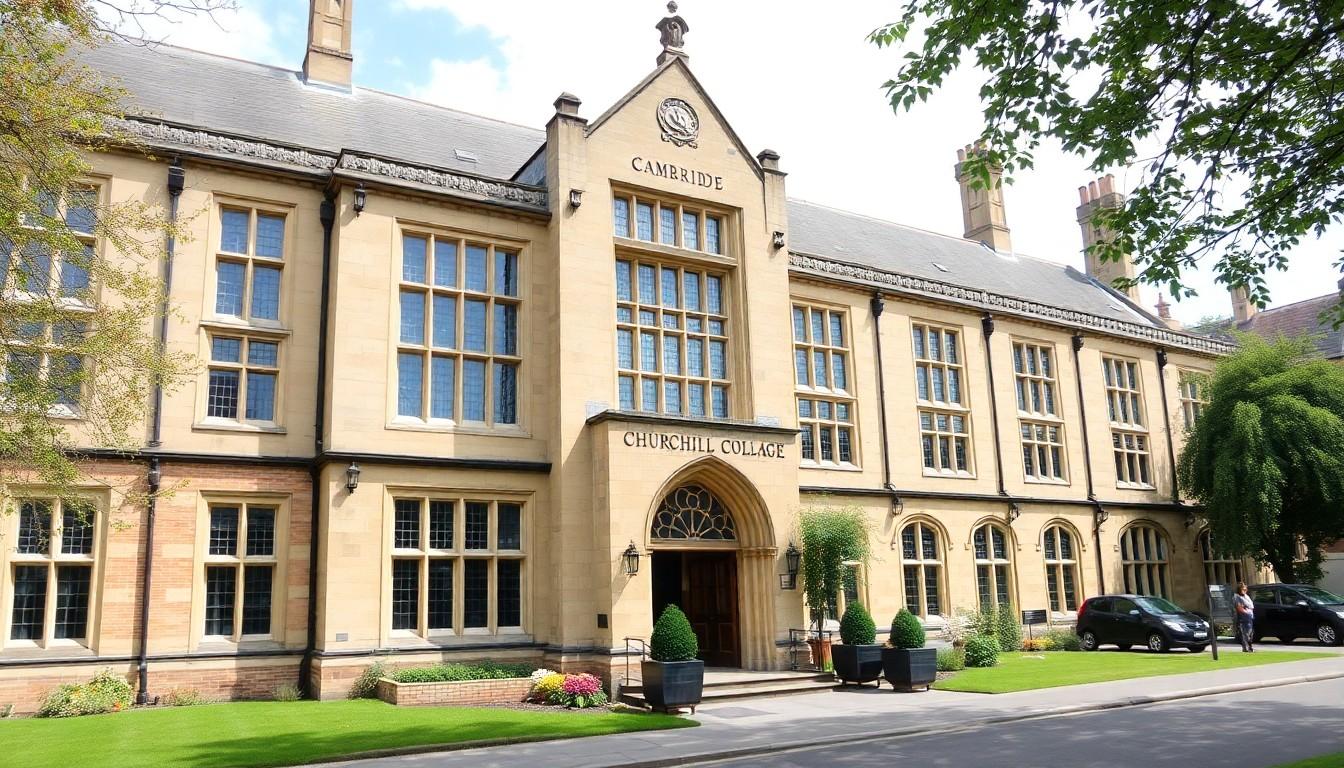
Queer communities gathered at Churchill College, Cambridge, to celebrate lesbian history, share stories and back a new trans-inclusive venue in South London. The evening showed why permanent lesbian spaces still matter: they offer somewhere to dance, organise, remember and feel entirely at home, rather than asking people to build community online alone.
A night of lesbian history, poetry and protest
The atmosphere at Rebel Dyke Futures was part history lesson, part joyful reunion and part rallying cry. Curated by poet and Cambridge undergraduate Amy Walpole, the event revisited Chain Reaction, a legendary lesbian club night that ran from 1987 to 1993, using photographs, poetry and archive material to bring its energy into the present. According to the event listing, the programme was designed around performance, discussion and collective memory. [2]
That mix gave the evening a warm, tactile quality. Instead of treating queer history as something sealed behind glass, the exhibition invited visitors to add their own hopes and demands to a shared scrapbook. It was a small but powerful idea: the archive wasn't finished, because the community is still writing it.
Why queer spaces need more than an internet presence
The event's wider message was clear. Online communities can connect people quickly, but they can't fully replace the feeling of walking into a room where your identity doesn't need explaining. For lesbian, trans and gender-diverse people, that physical safety can make the difference between simply attending an event and genuinely belonging.
The discussion also placed current pressures in a longer history of disappearing venues. Reporting on the closure of lesbian bars in Florida, Axios described a wider squeeze caused by rising costs, changing nightlife habits and a shrinking number of dedicated spaces. That pattern helps explain why every new venue feels significant, even before its first drink is poured. [5]
From Chain Reaction to Dorothy's
The Cambridge gathering didn't stop at remembrance. Funds raised during the event were directed towards Dorothy's, a planned permanent, trans-inclusive lesbian bar in Camberwell, South London. Local coverage has described the venue as a project led by Molly and Beth, with the ambition of creating a welcoming sapphic pub rather than a short-lived club night. [3]
Dorothy's is part of a modest but meaningful revival in queer hospitality. As Broadsheet London reported, the project aims to provide a place for socialising, events and community life in a city where lesbian venues remain notably scarce. Its name has already begun to circulate as shorthand for something many people have been missing: a reliable local room with a lesbian heart. [6]
What makes a lesbian venue feel genuinely inclusive?
A permanent address is only the beginning. The strongest spaces are shaped by who can enter comfortably, who gets heard and whether the venue supports more than nightlife. Dorothy's describes itself as a community-minded project, with an emphasis on creating an inclusive environment for women and gender-diverse people. [7]
That matters because queer communities aren't interchangeable. Femme dykes, butch lesbians, trans people, disabled people, people of colour and working-class communities can all experience nightlife differently. A successful venue will need thoughtful access, fair pricing, clear safeguarding and programming that reflects that variety, not just a catchy name and a good cocktail list.
The future belongs to spaces people can return to
Rebel Dyke Futures offered something rare: a conversation between generations. Older attendees carried memories of Chain Reaction, while younger visitors brought fresh demands for spaces that are permanent, politically aware and welcoming across the community. That exchange made the night feel less like nostalgia and more like a handover.
Dorothy's now gives that conversation a physical destination to aim for. Its progress will depend on funding, local support and the practical challenges of running a venue, but the enthusiasm around it suggests the appetite is real. Sometimes the most radical thing a community can ask for is somewhere to meet next week.
Permanent queer spaces turn memory into belonging, one open door at a time.
Source Reference Map
Story idea inspired by: [1]
Sources by paragraph: