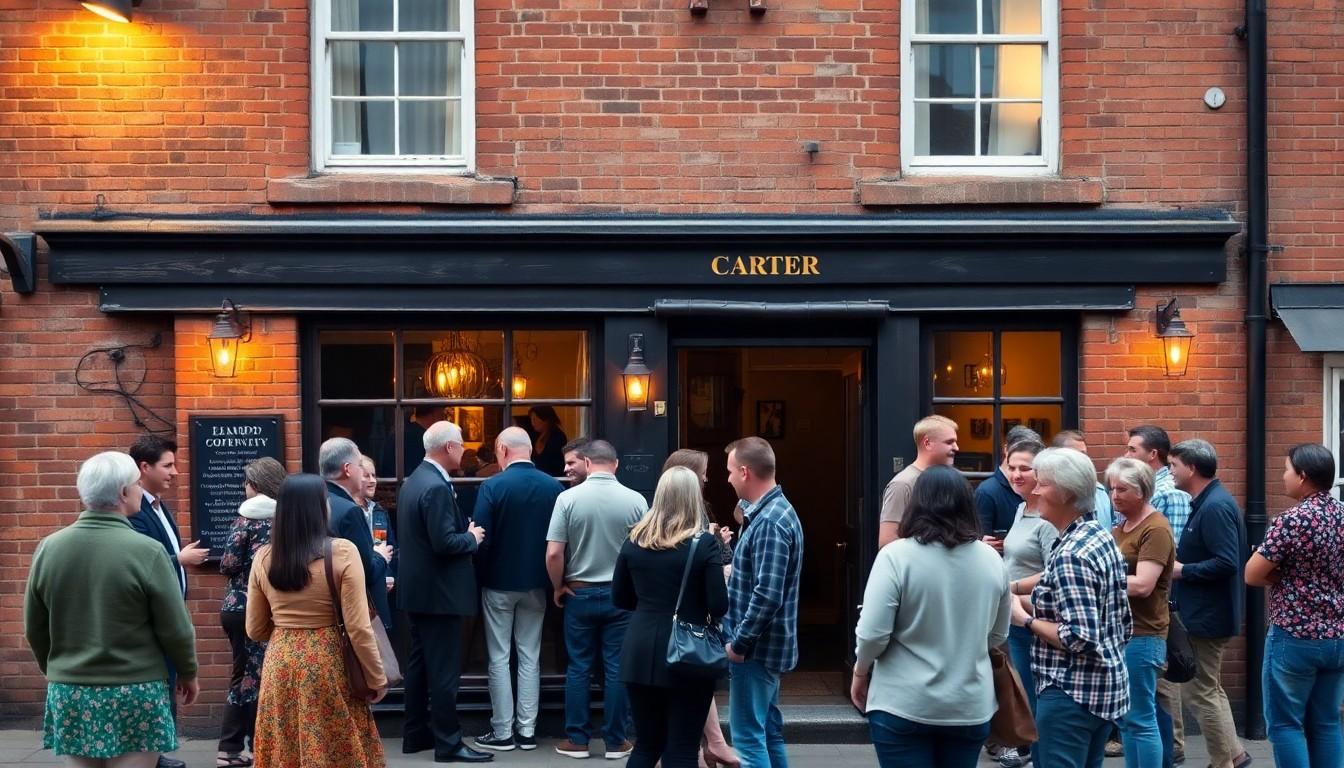
Readers are rediscovering gay bear culture as a warm, visible community built around body types, masculinity and attraction that mainstream queer media has often overlooked. For many men, finding the language for bears, cubs and Daddies can turn private uncertainty into belonging, while offering a more generous view of getting older.
The word can change everything
For some gay men, discovering bear culture is less like learning a label and more like finding a missing chapter of their own story. A body that once seemed absent from magazines, television and online imagery suddenly has a name, a history and a community around it.
Bear culture generally celebrates men who are larger, hairier or more traditionally rugged, although there isn't one fixed definition. As Them has noted, the category has always been flexible, shaped by local communities, changing fashion and personal identity rather than a strict checklist.
That flexibility matters. It leaves room for bears, cubs, otters, chubs, Daddies and admirers, without insisting that everyone must look or behave the same way.
From niche label to recognisable community
The modern bear scene grew through social spaces, nightlife, magazines, websites and gatherings where men could meet outside the narrow beauty standards often associated with gay culture. Wikipedia's overview of bear culture traces the identity to gay communities that wanted greater visibility for masculine, hairy and heavier bodies.
Online forums and dating platforms later made those connections easier to find. BearWWW describes the community as a culture with its own language and social traditions, rather than simply a preference for a particular appearance.
That distinction is important. A bear isn't merely a body type, and an admirer isn't automatically part of the same identity. These labels can describe attraction, presentation, community or all three, depending on the person.
Why older men can feel newly visible
One of the most appealing aspects of bear culture is its more relaxed relationship with age. Grey hair, fuller stomachs, beards and broad physiques aren't necessarily treated as problems to correct. In many bear spaces, they can become part of the appeal.
Guides from Gay Bears UK and Husky Bear Poppers describe a community where maturity and physical presence are often valued, particularly through identities such as Daddy and silver bear. That doesn't mean every older man feels confident, of course, but it does offer a different script from the familiar pressure to stay young, slim and polished.
For anyone who grew up believing desirability had an expiry date, that can feel quietly radical. The mirror may not change, but the language around it can.
Labels help, but they shouldn't become rules
The best use of bear terminology is as an invitation, not a test. Someone can identify as a bear without having a particular weight, beard length or personality. Equally, a man may enjoy bear spaces without adopting the label at all.
The community's history shows why definitions remain fluid. According to The Bear Community's historical guide, bear culture developed through overlapping groups and social scenes, so its meaning has shifted across countries and generations.
If you're exploring the scene, start with curiosity. Look for welcoming events, read community guidelines, and pay attention to how people talk about consent, respect and inclusion. A friendly atmosphere should feel broad enough for different races, body shapes, ages, gender expressions and levels of experience.
A fuller picture of gay desirability
Bear culture hasn't erased the wider pressures of gay life, and it shouldn't be romanticised as a perfect refuge. Some communities still wrestle with racism, body hierarchies, ageism and exclusion. BearWWW's explainer and Pink Media's market overview both point to a scene with distinct identities and interests, but no community is free from the inequalities found elsewhere.
Even so, greater visibility has real value. Seeing hairy, heavy, ageing or plainly ordinary men presented as attractive can soften the sense that only one kind of body gets to be wanted.
That may be the most lasting contribution of bear culture. It doesn't just give people new labels; it expands the idea of who gets to be seen, desired and celebrated.
A bigger idea of beauty can make growing older feel far less like disappearing.
Source Reference Map
Story idea inspired by: [1]
Sources by paragraph: