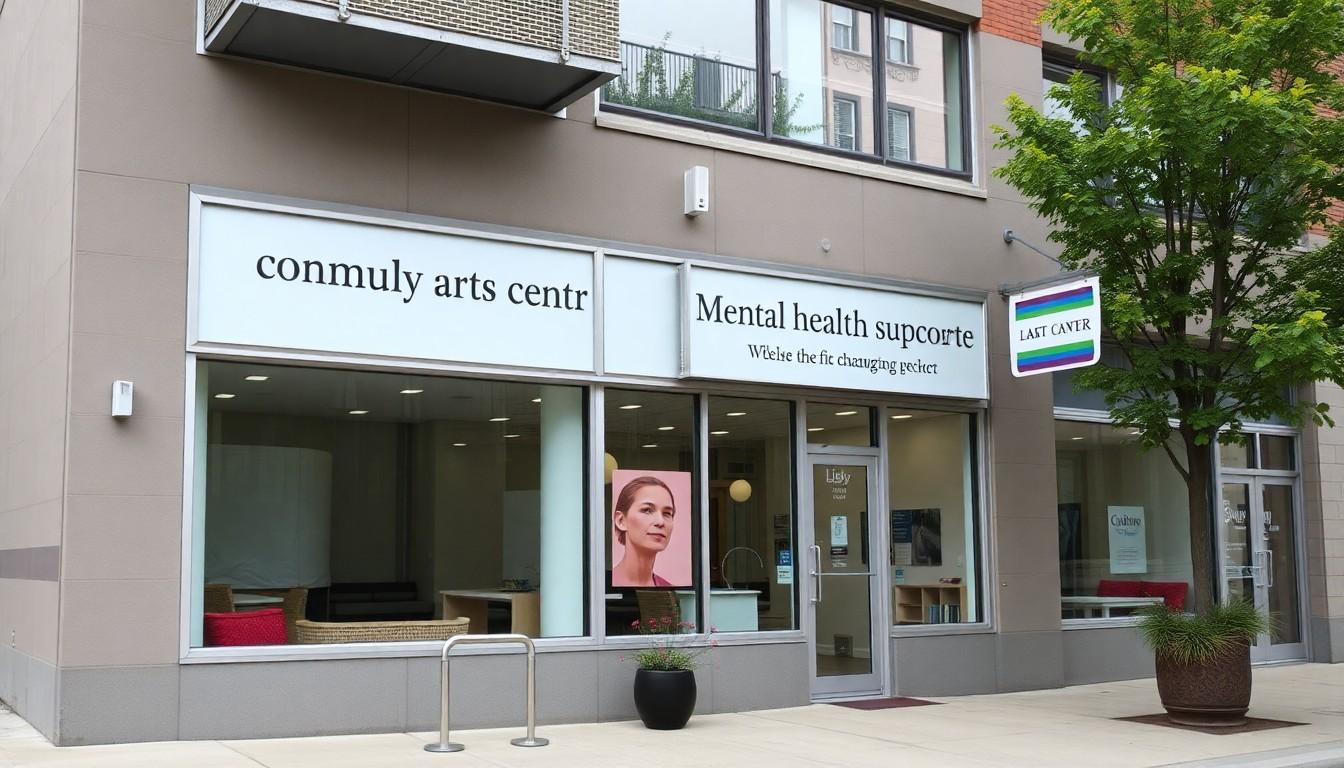
Young LGBTQ+ people are finding confidence, connection and relief through creative expression, from journalling and songwriting to visual art and performance. As pressure around identity continues to make headlines, artists, educators and youth organisations are showing why making space for queer voices matters, especially when a paintbrush or notebook can feel like a quiet route back to yourself.
Essential Takeaways
- Creative outlets can help: Art gives young people a private, flexible way to process difficult emotions.
- Representation matters: Queer stories can make identity feel visible, ordinary and less isolating.
- Expression builds agency: Making something can help someone move from self-doubt towards confidence.
- Support should be wider than art: Trusted adults, friends and professional mental-health services remain essential.
- Small beginnings count: A sketchbook, playlist or voice note can be a meaningful first step.
Art can offer a place to breathe
For LGBTQ+ teenagers facing rejection, political hostility or simple uncertainty about who they are, creative work can provide a rare sense of control. A blank page doesn't ask for an explanation, and a lump of clay won't interrupt. According to Winged Canvas, art can support emotional processing and give LGBTQ+ young people a safer way to explore experiences that may be difficult to say aloud.
That doesn't mean every difficult feeling needs to become a finished masterpiece. Sometimes the value is in the process: choosing colours, shaping a character, writing a chorus or taking a photograph that captures a particular mood. The result may be messy, but the act of making it can still feel quietly liberating.
Why queer representation has real emotional weight
Seeing LGBTQ+ lives reflected in art can soften the loneliness of feeling different. Queer art has long documented identity, protest, love, friendship and everyday life, creating a record that mainstream culture has often ignored or distorted. The University of Arizona's Mapping Q project highlights the importance of locating and understanding queer artistic histories in their wider social context.
For young people, that history can act like a bridge. A poem, film or exhibition may offer the reassuring thought that someone else has asked the same questions, survived the same awkwardness or imagined a future that once seemed impossible. Representation doesn't solve every problem, but it can make the world feel less empty.
Creativity isn't a substitute for proper support
Art can help, but it shouldn't be presented as a cure-all. Research published through the National Library of Medicine has linked social support and affirming environments with better wellbeing among LGBTQ+ young people, while hostility and isolation can increase risk. That makes supportive families, schools, youth workers and healthcare professionals just as important as creative opportunities.
A teenager might use drawing to manage stress, then still need a trusted adult to listen. A young person may write honestly in a journal, but require professional help if they feel unsafe or overwhelmed. The kindest approach is both-and: encourage creative expression while making sure practical, confidential support is available.
Find the creative language that feels natural
Not everyone wants to paint, and that's perfectly fine. Queer expression might appear in a fan-fiction project, a dance routine, a playlist, a podcast, a fashion experiment or a private collection of photographs. Hustler Fitness's discussion of art as a medium for LGBTQ+ voices reflects this broader idea: creative work can preserve stories and challenge narrow assumptions about queer life.
If you're choosing an outlet, start with something low-pressure and easy to access. Try ten minutes of free writing, make a collage from old magazines or record a voice memo about one thing you noticed that day. There are no marks for polish. The useful question is whether the activity helps you feel more present, more understood or more like yourself.
Let identity develop at its own pace
Young people are often pushed to define themselves quickly, particularly when public debates treat identity as something that needs to be categorised and approved. But self-understanding can be gradual. A person may feel certain, uncertain or somewhere in between, and those positions can change without making earlier feelings false.
The importance of being yourself isn't about performing a perfect, confident version of identity. It's about giving yourself room to notice what feels true, with supportive people nearby. As the stories gathered by Blinc suggest, authenticity is often less of a grand announcement than a series of small, honest choices.
Making room for a future that feels possible
The most powerful creative spaces aren't necessarily glamorous. They may be a school club, a library workshop, an online group with clear safeguarding rules or a kitchen table covered in paper scraps. What matters is that young people can experiment without being mocked, pressured or told that their lives are a problem to solve.
For parents and carers, practical support can be simple: ask about the project, listen without taking over and avoid treating every creative interest as a career plan. For educators, queer-inclusive reading lists and visible, respectful representation can signal that every student belongs. Sometimes the first step towards hope is simply being given somewhere safe to imagine it.
Art won't remove every hostile voice, but it can help young people hear their own more clearly.
Source Reference Map
Story idea inspired by: [1]
Sources by paragraph:
- Paragraph 1: [2], [7]
- Paragraph 2: [2], [5]
- Paragraph 3: [3], [4]
- Paragraph 4: [4], [7]
- Paragraph 5: [6], [2]
- Paragraph 6: [7], [3]
- Paragraph 7: [5], [6]
- Paragraph 8: [2], [5]
- Paragraph 9: [3], [4]
- Paragraph 10: [5], [6]
- Paragraph 11: [2], [7]
- Paragraph 12: [3], [5]
- Paragraph 13: [6], [7]
- Paragraph 14: [2], [5]
- Paragraph 15: [3], [4]