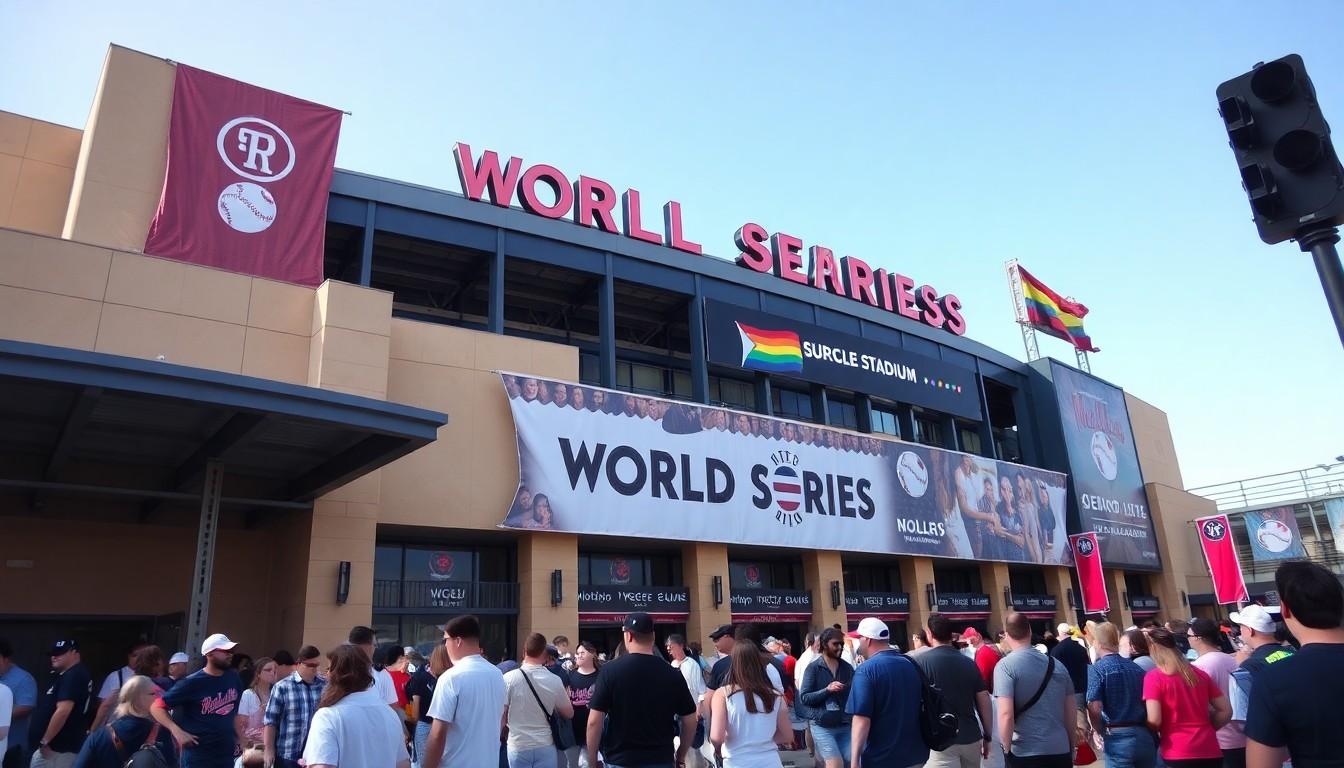
Fans are preparing for a headline-making 2026 World Series between the Milwaukee Brewers and Tampa Bay Rays, two smaller-market clubs with very different relationships with LGBTQ supporters. Their on-field success feels celebratory, but recent controversies mean this matchup carries emotional weight beyond the baseball.
Two underdogs, one unusually layered World Series
The Brewers and Rays have reached the 2026 World Series by challenging the usual financial logic of Major League Baseball. Neither club carries the spending power or global glamour of the sport's biggest names, making the matchup feel like a small-market rebellion with a championship trophy at stake. AP coverage and local reporting have highlighted the significance of both teams reaching baseball's biggest stage. [3], [4], [6]
There is also a deliciously old-fashioned appeal to the pitching matchup. Jacob Misiorowski and Drew Rasmussen offer a reminder that, even in an age of specialised relievers and carefully managed workloads, supporters still love seeing dominant starters square up and refuse to blink. It has the clean drama of a duel, only with considerably more chewing gum and suspiciously expensive snacks. [5], [7]
Milwaukee's proud history comes with uncomfortable baggage
The Brewers' return to the World Series ends a remarkably long wait for another pennant. That history matters to supporters who have spent years watching the club move between rebuilding projects, near misses and the occasional flicker of October promise. Current reporting has framed the achievement as a major moment for Milwaukee baseball. [6], [7]
The organisation also occupies an important place in LGBTQ baseball history. In 2015, David Denson became the first active player in affiliated minor-league baseball to come out publicly. The support he received from prominent Brewers figures offered a hopeful example of what acceptance inside professional sport could look like. [1], [3]
But that progress was followed by a painful episode. Homophobic social-media posts from pitcher Josh Hader's teenage years became public during the 2018 All-Star Game, and the response from some Brewers fans when he returned to the mound left LGBTQ supporters feeling dismissed. Time has moved on, but memories like that don't vanish simply because the club is winning again. [1], [6]
Tampa Bay is trying to rewrite its Pride Night story
The Rays face their own difficult history. During a 2022 Pride event, several pitchers removed rainbow insignia from their uniforms, with Jason Adam citing religious beliefs while saying the players wanted LGBTQ people to feel welcome. For many fans, the contradiction was impossible to miss: inclusion sounded fine in theory, but the visible symbol of it was rejected on the field. [1], [4]
Since then, Tampa Bay has made conspicuous efforts to rebuild trust. The club invited former openly gay umpire Dale Scott to throw out the first pitch, used rainbow lighting at the stadium and installed a prominent rainbow sunburst display. Those gestures don't erase the earlier incident, but they do show an organisation attempting to make its position clearer. [1], [5]
The difference is especially noticeable when players participate voluntarily. Rainbow armbands, footwear and warm-up shirts have helped turn Pride Night from a corporate message into something more visible and personal. That distinction matters to supporters who want genuine solidarity, not just a themed fixture and a few colourful graphics. [1], [7]
Yandy Diaz has become an unexpected symbol of welcome
Yandy Diaz is drawing attention for more than his powerful hitting. His striking physique has made him an obvious fan favourite, but his decision to wear a Pride armband gives Rays supporters a more meaningful reason to celebrate him. It is a small act, yet sports culture often turns on exactly those visible choices. [1], [4]
For LGBTQ fans, that image lands differently from a front-office statement. A player choosing to take the field with a rainbow symbol can make a ballpark feel warmer, more confident and less like a place where inclusion is being debated from a distance. And yes, the biceps probably don't hurt his popularity either. [1], [5]
What this World Series means to LGBTQ supporters
For many fans, the series can hold two thoughts at once. They can be thrilled by Milwaukee's long-awaited run or Tampa Bay's chance to claim its first title, while still remembering the moments when both organisations failed to make LGBTQ supporters feel fully protected and respected. Sporting loyalty isn't always tidy, and pretending otherwise would miss the point. [2], [3]
The encouraging sign is that both clubs now appear more aware of the responsibility that comes with their platforms. A championship parade won't settle every concern, but sustained player involvement, clear leadership and consistent support will do far more than one Pride promotion. The best outcome would be exciting baseball built on a culture that feels safer and more welcoming away from the scoreboard, too. [4], [6]
For now, the Brewers and Rays offer a World Series with an unusually human subplot: progress is real, but so are the memories that make it necessary. [1], [7]
It's a championship matchup that asks fans to celebrate the baseball without forgetting the people in the stands.
Source Reference Map
Story idea inspired by: [1]
Sources by paragraph: