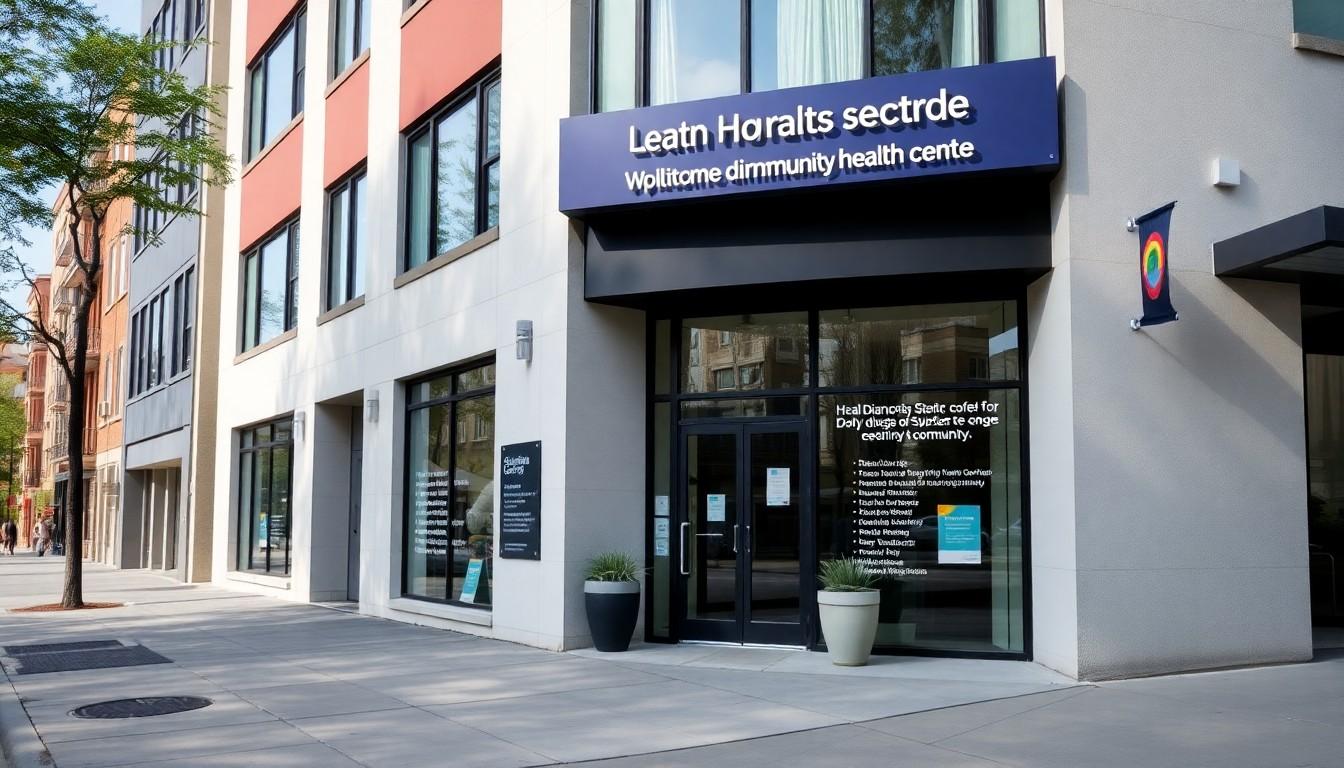
Lesbian and bisexual women face higher rates of hazardous drinking than straight women, with minority stress, bar-centred social spaces and untreated mental-health conditions all playing a role. Understanding those pressures can make recovery feel less like giving something up and more like building a safer, more supportive life.
Essential Takeaways
- The risk is higher: Research links sexual minority status with increased hazardous drinking and alcohol-related harm.
- Stress matters: Discrimination, stigma and rejection can make alcohol feel like a quick, if temporary, escape.
- Community can be complicated: Social spaces have often centred on bars, making sobriety feel socially isolating.
- Mental health needs attention: Depression, anxiety and trauma can reinforce problematic drinking when left untreated.
- Affirming care helps: Recovery is more likely to feel workable when treatment respects identity and relationships.
Why alcohol use disorder risk is higher for queer women
The strongest point is also the most important: being lesbian or bisexual doesn't cause alcohol problems. The pressure surrounding identity can, however, create conditions in which drinking becomes an appealing coping strategy.
Research published through PubMed has found higher levels of hazardous drinking among sexual minority women than among heterosexual women. Those findings matter because they shift the conversation away from stereotypes and towards the social, emotional and health factors shaping people's choices.
Alcohol can offer a brief sense of calm after a difficult day, or make a social situation feel easier. The relief is often soft and immediate, while the consequences arrive later, which is part of what makes the pattern so difficult to spot from the inside.
Minority stress can turn drinking into a coping tool
Minority stress describes the extra strain created by stigma, discrimination and the need to manage other people's reactions. It can include obvious hostility, but also quieter experiences, such as hesitating before mentioning a partner or repeatedly deciding whether a space feels safe.
Studies of sexual minority women have connected these pressures with substance use and other health risks. Research indexed by PubMed also points to the role of trauma and co-occurring mental-health conditions, suggesting that drinking is often tied to a wider story rather than one isolated habit.
That doesn't make alcohol harmless or inevitable. It does explain why simply insisting that someone should use more willpower can miss the point. If drinking is helping someone manage fear, loneliness or exhaustion, recovery needs to offer different ways to handle those feelings.
When the bar is also the community
For many lesbian women, bars have historically been more than places to drink. They offered a rare chance to meet other women, find friendship and relax without constantly monitoring how they were seen. That history gives alcohol a social meaning that can be hard to untangle.
Research on hazardous drinking among lesbian and bisexual women has examined how drinking patterns can be shaped by community and social environments. As industry commentary on the subject notes, stepping away from alcohol may sometimes feel like stepping away from a familiar route into belonging.
The good news is that sober connection doesn't have to mean isolation. Queer book groups, daytime meet-ups, peer-support networks, alcohol-free events and recovery communities can all provide alternatives. It may take a little searching, but friendship doesn't have to come with a bar tab.
Depression and anxiety can keep the cycle going
Alcohol can look like a solution to anxiety or low mood because it changes how someone feels quickly. But its effects can rebound, leaving sleep, mood and worry worse after the temporary lift has faded. That creates a particularly stubborn loop: drink to feel better, feel worse, then drink again.
Research has identified links between sexual minority status, mental-health difficulties and problematic alcohol use. PubMed-listed studies also support the importance of considering these issues together rather than treating alcohol use in isolation.
This is where dual-diagnosis care becomes useful. A suitable assessment can explore alcohol use alongside depression, anxiety, trauma, sleep problems and other concerns. Treatment might include talking therapies, practical coping strategies and medical support where appropriate, rather than expecting one intervention to do everything.
What affirming recovery should look like
A genuinely inclusive service should not require someone to repeatedly explain or defend their identity. Therapists and support staff should use the right language, understand minority stress and create room to discuss relationships, family experiences and community without judgement.
Evidence and clinical commentary around sexual minority women also underline the value of support that reflects the realities of their lives. That can mean asking whether social plans involve alcohol, identifying safer alternatives and making relapse-prevention plans that account for discrimination or isolation.
When comparing services, look for clear LGBTQ+ inclusion, confidentiality, qualified clinicians and treatment for co-occurring mental-health conditions. Ask whether the programme offers individual therapy, peer support and a plan for life beyond residential or structured care. A welcoming logo is pleasant, but competent, respectful treatment is what counts.
Recovery doesn't require someone to become less queer, less social or less themselves. It should make more room for the life they want, including friendships that aren't built around drinking.
A more supportive path forward
The picture is changing as more services recognise that alcohol use sits within social and emotional context. For lesbian and bisexual women, that context can include minority stress, community history and mental-health needs that standard programmes may overlook.
If drinking is causing worry, reaching out to a GP, qualified addiction professional or LGBTQ+ support organisation can be a practical first step. You don't need a perfect explanation, and you don't have to wait until everything feels unmanageable.
A recovery plan works best when it treats the person, not just the bottle.
Explore support that respects both your health and your identity.
Source Reference Map
Story idea inspired by: [1]
Sources by paragraph:
- Paragraph 1: [2], [4]
- Paragraph 2: [3], [5]
- Paragraph 3: [6], [7]
- Paragraph 4: [2], [3]
- Paragraph 5: [4], [5]
- Paragraph 6: [6], [7]
- Paragraph 7: [2], [4]
- Paragraph 8: [3], [5]
- Paragraph 9: [6], [7]
- Paragraph 10: [2], [5]
- Paragraph 11: [3], [4]
- Paragraph 12: [6], [7]
- Paragraph 13: [2], [4]
- Paragraph 14: [3], [5]
- Paragraph 15: [6], [7]
- Paragraph 16: [2], [3]
- Paragraph 17: [4], [5]
- Paragraph 18: [6], [7]