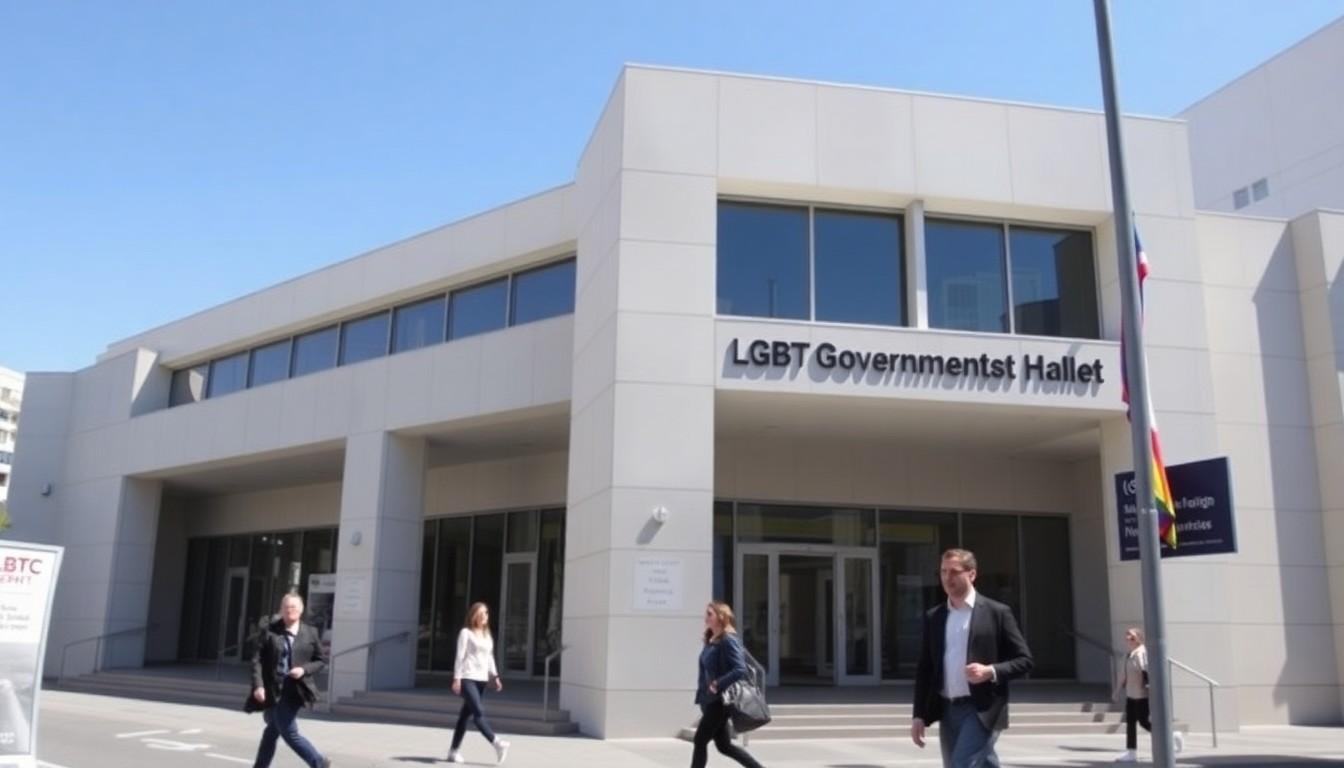
Western Australia has introduced a major equal-opportunity bill that could stop religious schools dismissing teachers or excluding students because of their sexuality. The proposed reforms would also create new routes to challenge anti-LGBTQ+ vilification and require organisations to take more active steps against discrimination.
Essential Takeaways
- Religious schools: Proposed changes would protect LGBTQ+ teachers and students from sexuality-based dismissal or exclusion.
- Vilification complaints: People could gain a civil avenue to challenge serious abuse linked to sexuality, gender identity, race, religion, disability or sex.
- Proactive duties: Schools, employers and other organisations would need to take reasonable steps to prevent discrimination and harassment.
- Wider protections: The bill also covers pregnancy, breastfeeding, caring responsibilities, homelessness, family and domestic violence, and trade-union activity.
- Not law yet: The legislation must still pass through Western Australia’s Parliament.
A significant shift for LGBTQ+ teachers and students
Western Australia’s proposed Equal Opportunity Bill 2026 would replace the state’s ageing 1984 legislation, bringing its discrimination framework into a much more modern shape. The most closely watched change would affect religious schools, where sexuality-based decisions would no longer be protected by a broad religious exemption.
In practical terms, that could mean a gay teacher wouldn’t risk losing their job simply because of their sexuality, while an LGBTQ+ student couldn’t be expelled on that basis. ABC reported that schools would retain some ability to make decisions connected to religion, but not to use that exemption as a reason to discriminate against someone for being LGBTQ+.
That distinction may sound technical, but it goes to the heart of the debate. A school could remain faith-based without treating sexuality as a disciplinary issue.
New protections would target serious vilification
The bill would introduce a new complaint pathway for vilification based on disability, race, religion, sexual orientation, gender identity and sex. The proposed system is aimed at more serious conduct, including abusive, threatening or deeply hostile behaviour, rather than ordinary disagreement or criticism.
The Western Australian Government says the reforms are intended to address harm earlier, rather than leaving people to seek help only after discrimination has already caused lasting damage. That could be particularly important for LGBTQ+ people facing targeted abuse in public spaces, workplaces or online communities.
Legal Aid WA already provides guidance for people dealing with discrimination linked to sexual orientation, gender identity and related characteristics. The proposed framework would add a broader state-level mechanism, although the exact operation would depend on the final legislation and future complaint processes.
Organisations would have to do more than react
One of the bill’s broader ideas is a proactive duty. Businesses, schools and other organisations would be expected to take reasonable steps to prevent discrimination, harassment and vilification before complaints arise.
The standard wouldn’t be identical for everyone. A large employer with dedicated human-resources staff would likely be expected to do more than a small community organisation with limited resources. Even so, the message is clear: having a policy tucked away in a filing cabinet may no longer be enough.
The proposals also include reasonable adjustments for people with disabilities, along with protections connected to pregnancy, breastfeeding and caring responsibilities. Government material describes the changes as a wider overhaul, not simply an LGBTQ+ reform.
Religious freedom remains part of the argument
The bill doesn’t remove every protection for religious organisations. Instead, it draws a line between decisions based on religious belief and decisions based on sexuality.
That approach has won support from equality advocates, including Equality Australia legal director Heather Corkhill, who argued that a person’s rights shouldn’t depend on the state in which they live. Supporters say teachers and students should be able to participate fully in school life without hiding who they are.
Critics, meanwhile, are expected to focus on religious freedom and the remaining exemptions. The Daily Declaration reported concerns that the reforms could limit faith-based institutions’ ability to operate according to their beliefs. Those arguments are likely to become sharper as the bill moves through Parliament.
What happens next in Western Australia?
The legislation is still at the proposal stage. The opposition has indicated it will examine the detail and consult affected groups, while the Greens have welcomed the direction of the reforms but want to scrutinise the remaining religious exemptions.
If passed, the bill would also remove some protections currently applying to MPs, judges and local councillors, making discrimination and harassment involving their staff or colleagues unlawful. It would further simplify sexual-harassment claims by removing the existing disadvantage test.
For LGBTQ+ Western Australians, the headline change is straightforward: a religious school would no longer be able to rely on faith-based exemptions to sack a teacher or remove a student because of their sexuality. That would mark a substantial change, but only once Parliament gives it legal force.
It’s a proposed reset of the rules, and the parliamentary detail will matter.
Source Reference Map
Story idea inspired by: [1]
Sources by paragraph:
- Paragraph 1: [2], [3]
- Paragraph 2: [4], [5]
- Paragraph 3: [3], [5]
- Paragraph 4: [2], [4]
- Paragraph 5: [3], [7]
- Paragraph 6: [3], [5]
- Paragraph 7: [7], [4]
- Paragraph 8: [3], [6]
- Paragraph 9: [4], [6]
- Paragraph 10: [3], [5]
- Paragraph 11: [2], [3]
- Paragraph 12: [4], [6]
- Paragraph 13: [3], [5]
- Paragraph 14: [2], [3]
- Paragraph 15: [5], [7]