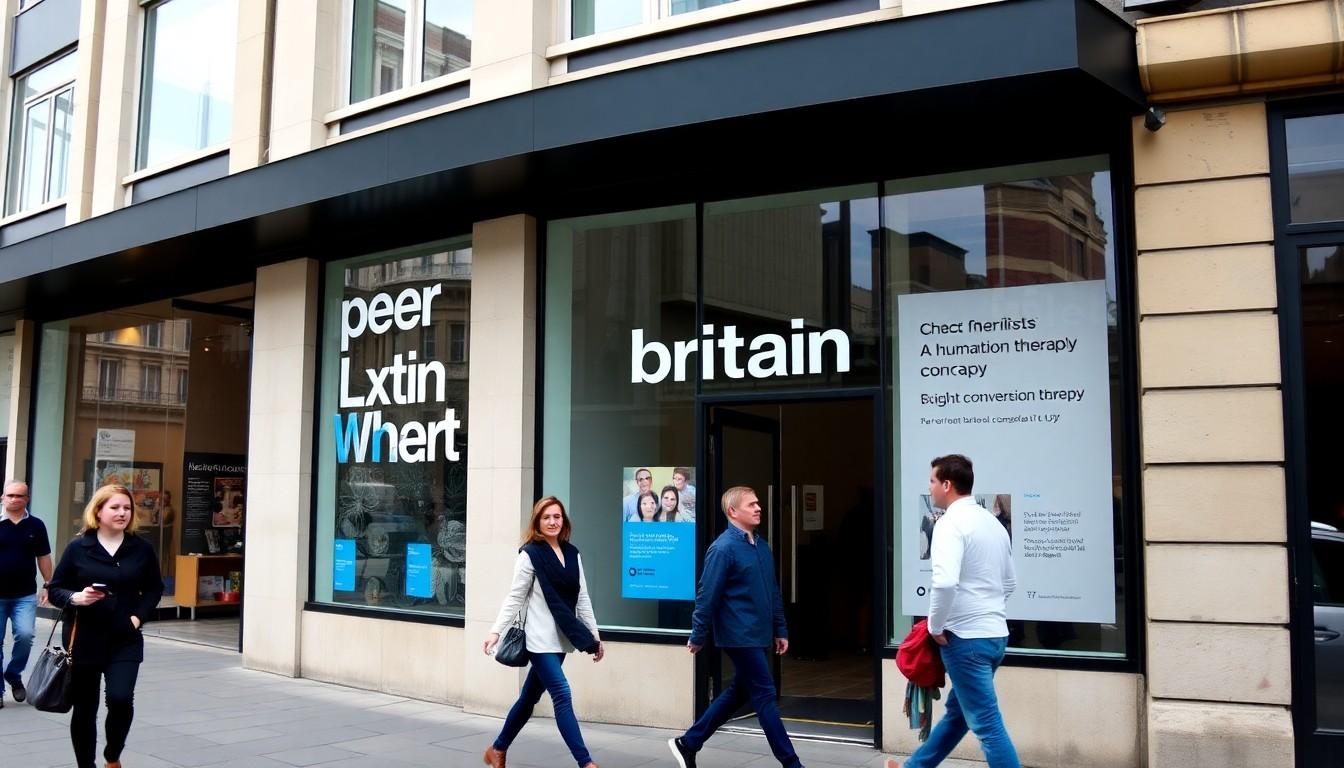
Visitors to Queer Britain in London can now see how LGBT+ Humanists have challenged conversion practices for decades, while campaigners warn that harmful attempts to change sexual orientation or gender identity remain legal across much of the UK. The display turns a painful history into a very current question: why is Parliament still waiting?
Essential Takeaways
- A long campaign: LGBT+ Humanists has opposed conversion practices since the 1990s, well before they became a mainstream political issue.
- A new display: Queer Britain is showcasing campaign documents and materials tracing the fight against so-called conversion therapy.
- The law is unfinished: The UK Government has published a draft ban for England and Wales, but it still needs parliamentary scrutiny and approval.
- Religious settings matter: Campaigners say faith-based environments are among the most common places where conversion practices occur.
- Protection must be broad: Humanists UK wants safeguards covering LGBT+ people, including trans people, in medical, religious and non-medical settings.
A museum display with an uncomfortable message
The new Queer Britain exhibit offers more than a look back at old campaign leaflets and letters. It shows how warnings about conversion practices were made years before politicians were prepared to act, giving the display a quietly frustrating edge.
LGBT+ Humanists, originally founded in 1979 as the Gay Humanist Group, began challenging so-called conversion therapy openly in the early 1990s. According to Humanists UK, the group responded after a member spotted an advert for anonymous Christian telephone counselling aimed at people considered likely to be homosexual.
That language now sounds startlingly blunt, but the underlying danger hasn't disappeared. Conversion practices can involve prayer, counselling, pressure or claims that a person's identity can and should be changed. Humanists UK describes them as harmful and discredited, rather than a legitimate form of care. [2], [7]
From newspaper adverts to national campaigning
The organisation's campaigning gathered pace after Channel 4 broadcast a documentary about Simon Harvey, a young gay Christian who died by suicide. Members wrote to the then Health Secretary, Stephen Dorrell, urging action against ministries that claimed homosexuality could be cured.
That episode helps explain why the current display feels less like a historical footnote and more like an unfinished file. Campaigners weren't simply objecting to offensive language; they were raising concerns about real harm and the consequences of treating identity as an illness.
LGBT+ Humanists has also been part of wider coalitions pressing governments to act. Humanists UK joined the campaign for stronger legal protection in Northern Ireland, where advocates argued that a ban should cover both sexual orientation and gender identity. [5], [6]
Why is a ban still taking so long?
The short answer is political delay. Successive governments promised legislation, but years passed without a law reaching the statute book. Humanists UK has repeatedly protested the slow progress, describing the continued wait as unacceptable for people who remain exposed to coercive and damaging practices. [4]
There is now a draft Conversion Practices Bill for England and Wales, published after years of promises. A joint committee of MPs and peers began examining it in October, which means the proposal has moved forward, but it isn't law yet.
That distinction matters. A draft can be amended, delayed or weakened before it reaches the final stage. For campaigners, the museum display is therefore a reminder that announcements are welcome, but only legislation and enforcement will make a practical difference. [3]
What should a strong conversion practices ban cover?
Humanists UK supports a prohibition covering all LGBT+ people, including trans people. It also wants the rules to apply in medical, religious and other settings, without exemptions that could allow harmful practices to continue under the label of counselling, pastoral support or personal choice.
The question of consent is especially contentious. Campaigners argue that someone agreeing to a practice doesn't automatically make it safe, particularly where there may be pressure from family, religious leaders or a trusted professional. A vulnerable person can be persuaded that changing themselves is the only route to acceptance.
Faith groups are an important part of this discussion. Government analysis of the National LGBT Survey has identified them as a common setting for conversion practices, while research cited by Humanists UK has highlighted experiences including coerced prayer and exorcism. [2], [5]
A personal story behind the public campaign
Nick Baldwin, coordinator of LGBT+ Humanists, has spoken about experiencing conversion practices himself. As a church member in his thirties, he sought help after realising he might be gay and being afraid of that possibility. He says his minister then led him through months of prayer counselling intended to remove his attraction to men.
Baldwin's account captures the emotional trap at the centre of these practices. The promise may be framed as help, but the message is that a person is wrong as they are. He says it took years to understand that he could accept and celebrate being gay.
That personal perspective gives the Queer Britain display its strongest human dimension. Documents can prove how long campaigners have been warning about the problem, but lived experience explains why the delay has mattered so much. [7]
The next test is turning promises into protection
Andrew Copson, chief executive of Humanists UK, said he wished the display showed a battle already won rather than a campaign still under way. It's a pointed observation, especially after decades of lobbying and repeated political commitments.
The draft Bill is a significant step, but scrutiny will reveal whether it offers the wide-ranging protection campaigners want. The coming debate will likely focus on scope, religious settings, trans inclusion and whether any consent provisions create loopholes.
For visitors, the exhibit offers a sobering lesson in how social change actually happens. Progress rarely arrives in one dramatic moment; it often depends on people continuing to speak up while official attention drifts elsewhere. [2], [3], [4]
A museum display can preserve the past, but Parliament still has to change the present.
Source Reference Map
Story idea inspired by: [1]
Sources by paragraph: