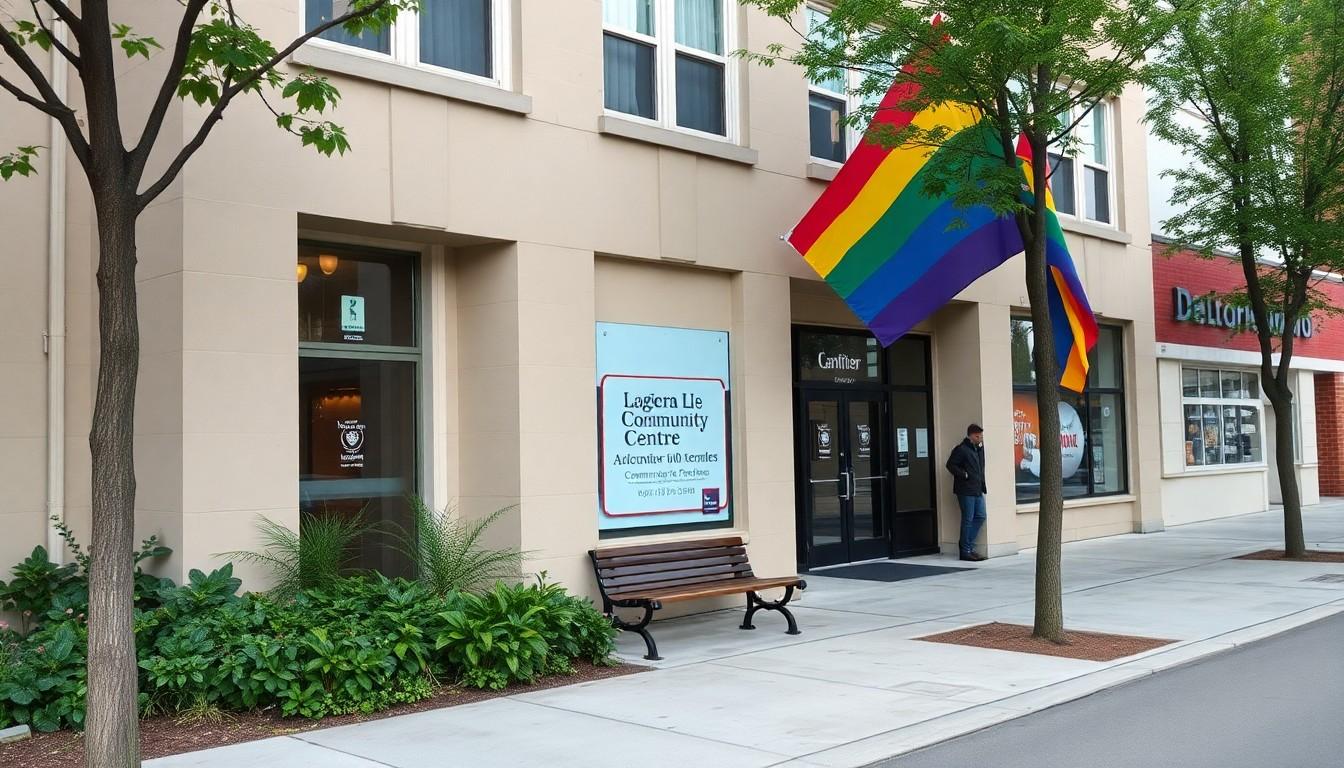
LGBTQ community centres across the US are facing a difficult mix of anti-LGBTQ harassment, political hostility and tight budgets, yet they continue to provide vital local support. A new survey of 175 centres shows how these organisations are adapting, why their work matters beyond LGBTQ communities, and where stronger investment could make the biggest difference.
Essential takeaways
- Harassment is widespread: 76 per cent of surveyed centres reported anti-LGBTQ threats or harassment during the past year.
- Services continue: Centres are still providing support, advocacy, health resources and community programmes despite mounting pressure.
- The survey was broad: Researchers contacted 356 known centres across 43 states, Washington, DC and Puerto Rico.
- Funding remains strained: Budget constraints are making it harder for centres to meet growing local demand.
- Community impact is wider: The centres serve LGBTQ and non-LGBTQ residents, often acting as trusted neighbourhood hubs.
Harassment has become part of the operating climate
The starkest finding is also the hardest to ignore: more than three quarters of participating LGBTQ community centres said they had experienced anti-LGBTQ threats or harassment online or in person. That can mean anything from hostile messages and intimidation to disruption around public-facing events.
The Movement Advancement Project and CenterLink documented the finding in their latest LGBTQ Community Center Survey Report. As the Washington Blade reported, the results reflect a political atmosphere in which community organisations are increasingly expected to protect staff, visitors and services while continuing their everyday work.
That combination creates a particularly grim sort of pressure. A centre may be helping someone find housing support in the morning and reviewing a security concern by lunchtime. The work remains practical and personal, but the backdrop has become much more tense.
Centres are still providing essential local support
Despite the hostility, nearly all the centres that responded said they were continuing to offer a broad range of services. These organisations can provide everything from youth support and social groups to health information, crisis referrals, advocacy and spaces where people feel safe being themselves.
The report, published by the Movement Advancement Project and CenterLink, describes centres as important anchors for their communities. Their work often reaches beyond LGBTQ residents, too, particularly when centres offer public education, family support, cultural events or links to wider social services.
That breadth matters. A community centre isn't simply a venue with a rainbow sign outside; it can be a quiet first stop for someone who doesn't know where else to turn. In many areas, that trusted relationship is as valuable as any individual programme.
A sizeable survey gives the findings weight
Researchers distributed an online questionnaire to 356 known LGBTQ community centres in 43 states, Washington, DC and Puerto Rico. A total of 175 centres responded, representing 39 states, DC and Puerto Rico, according to the survey report.
The participating organisations included the DC LGBTQ+ Community Center, SMYAL and Rainbow Families DC. Centres in Maryland and Virginia also took part, offering a useful glimpse of how national pressures are being felt by organisations of different sizes and in different regions.
No survey can capture every local experience, especially when participation depends on an organisation having the time and capacity to respond. Still, the scale of this exercise makes the pattern difficult to dismiss. The message is consistent: centres are under strain, but they haven't stepped away.
Funding pressure makes resilience harder
Harassment is only one part of the problem. The report also points to budget constraints and the need for increased investment, issues highlighted by the Movement Advancement Project's accompanying analysis.
For centres, rising demand can quickly collide with limited staff, fragile funding and higher security costs. A small organisation may need to spend more on safeguarding while also trying to keep counselling, outreach and community programming available. That leaves less room for long-term planning and can put already stretched teams at risk of burnout.
The wider climate adds another layer. Axios has reported on broader anti-LGBTQ incidents and harassment affecting communities and organisations, suggesting that centres aren't dealing with isolated episodes but a wider pattern of hostility. Stable funding, practical security support and dependable partnerships could therefore be more useful than short-lived bursts of attention.
Why these centres matter beyond LGBTQ communities
The findings offer a reminder that local support infrastructure often becomes most visible when it's threatened. Community centres can connect people with services, reduce isolation and help residents navigate systems that may otherwise feel confusing or unwelcoming.
They also create something less measurable but just as important: a place to breathe. For a young person, a parent, an older resident or someone new to a city, that sense of recognition can make a difficult day feel slightly less lonely.
The next challenge is ensuring resilience doesn't become an excuse for underinvestment. Centres have shown they can keep serving their communities under pressure, but they shouldn't have to treat harassment and financial uncertainty as permanent features of the job.
Support for LGBTQ community centres is ultimately support for the wider neighbourhoods they serve.
Source Reference Map
Story idea inspired by: [1]
Sources by paragraph: