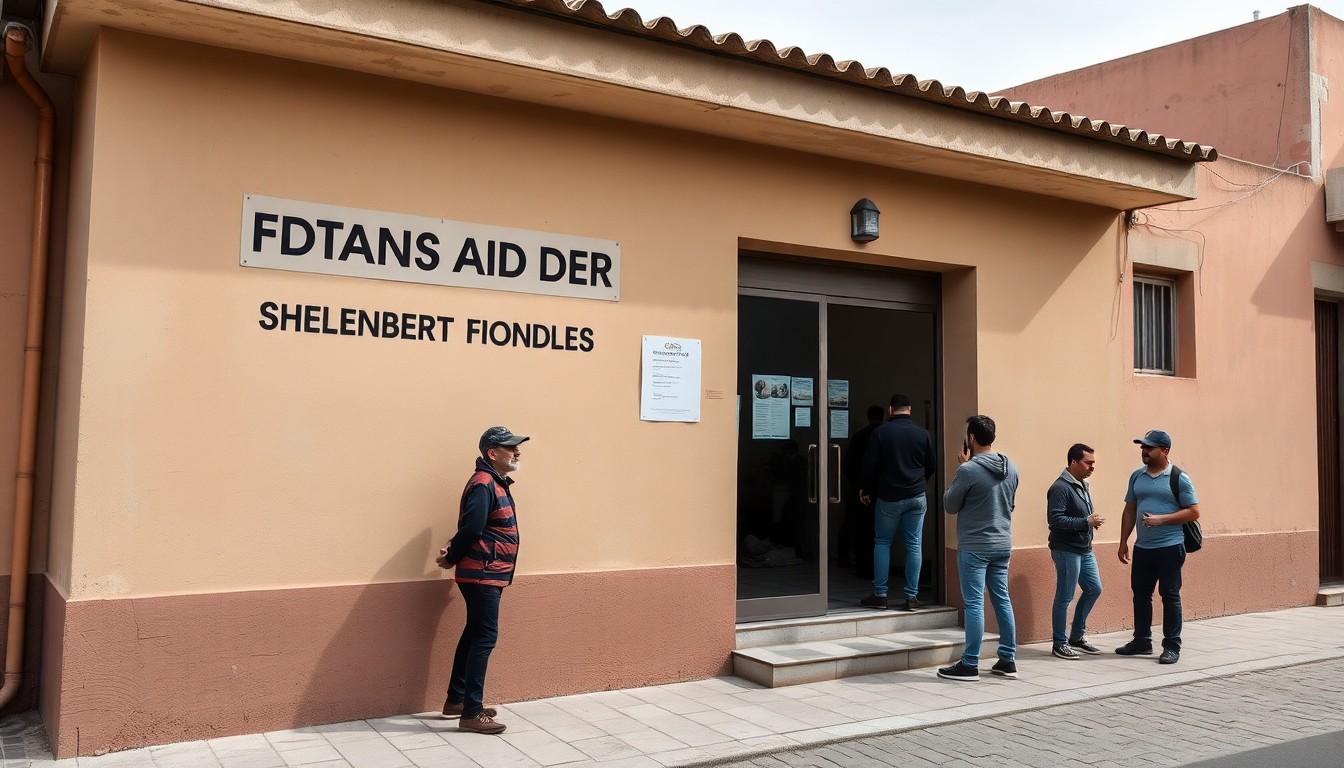
Support groups in Ceuta say around 200 LGBTQ+ migrants have arrived during the latest influx, with some now housed but others sleeping rough and facing a troubling mix of insecurity, harassment and fear. Campaigners are calling for safe shelter and clearer access to asylum procedures, especially for people worried about returning to Morocco.
Essential Takeaways
- Around 200 people identified: Mutual-aid groups say they’ve registered roughly 200 LGBTQ+ migrants in Ceuta.
- Double vulnerability: Irregular immigration status and sexual identity can expose people to overlapping risks.
- Housing remains uneven: Some migrants have found accommodation, while others are still living on the streets.
- Protection is urgent: Campaigners want safer housing, international-protection access and privacy for those at risk.
- A suspected attack raised alarm: Activists linked a recent incident in Los Rosales to possible anti-LGBTQ+ hostility.
A vulnerable group caught in a wider migration crisis
The headline figure is striking, but the lived reality is even more immediate. Support groups say LGBTQ+ migrants in Ceuta are navigating crowded streets, uncertain paperwork and the constant worry of being recognised or targeted, according to El Faro de Ceuta.
For someone without secure accommodation, ordinary tasks can become tense. Finding somewhere to sleep, keeping documents safe and seeking medical help all carry extra pressure when revealing your identity may bring unwanted attention.
El Faro de Ceuta has also reported efforts to develop a protocol addressing violence against LGBTQ+ people in the Temporary Stay Centre for Immigrants. That points to a wider concern: accommodation isn't enough if residents don't feel protected once they’re inside.
Why safe housing matters more than a bed
Campaigners say some people in the group have secured places to stay, while others remain without shelter. That gap matters because rough sleeping can increase exposure to harassment, assault and exploitation, particularly for migrants who may already distrust official services.
The request from mutual-aid groups is therefore fairly practical: provide safe accommodation, make protection procedures easier to reach and ensure people can ask for help without being outed. It sounds basic, but for a person facing both migration-related uncertainty and homophobia, a standard reception system may not feel safe or suitable.
Reports about injuries and alleged mistreatment involving migrants in Ceuta have added to the atmosphere of unease. El Pais and Cadena SER have covered claims involving migrants who attributed injuries or exposure to pepper spray to military personnel, allegations that underline why independent reporting and accessible complaints procedures matter.
A suspected attack sharpened the urgency
The latest concerns followed an alleged assault in the Los Rosales neighbourhood, which activists believe may have been motivated by homophobia. The incident also meant a planned demonstration outside the migrant reception centre could not go ahead, according to the campaigners cited by El Faro de Ceuta.
That detail carries a quiet but important message. When people are too afraid, exposed or unsettled to protest publicly, their absence shouldn't be mistaken for a lack of need. It may instead show how limited their room for action has become.
Rainbow Magazine's coverage of LGBTQ+ activism and alleged anti-LGBTQ+ violence in Ceuta reflects the same broader concern: border communities can become pressure points where hostility, precarious housing and weak access to support collide.
Asylum access must include privacy and trust
Some migrants reportedly fear returning to Morocco, while others worry that disclosing their sexual identity could expose them to further attacks. Those fears can make asylum and international-protection procedures feel daunting, even when they may offer a route to safety.
A useful response would combine confidential interviews, trained staff, interpreters and clear information about rights. People also need to know that asking for help won't automatically mean their identity becomes public or that they’ll be treated as a problem to be moved elsewhere.
The wider migration picture is already complicated. Coverage from AP has highlighted the pressure surrounding arrivals and border movement in the region, while El Faro de Ceuta remains an important local source for developments affecting migrants and residents. In that setting, specialist LGBTQ+ support isn't a luxury; it's part of making the system function fairly.
What happens next?
Support groups are now pressing authorities to create safer accommodation and improve access to international protection. The immediate test will be whether those requests produce practical changes rather than another round of statements.
That means identifying people at risk, protecting confidentiality, investigating alleged attacks and making support available before someone reaches crisis point. Asylum systems can be complicated, but nobody should have to choose between hiding who they are and sleeping somewhere unsafe.
Safe housing and trusted protection services could make a profound difference for LGBTQ+ migrants in Ceuta.
Source Reference Map
Story idea inspired by: [1]
Sources by paragraph:
- Paragraph 1: [2], [4]
- Paragraph 2: [3], [7]
- Paragraph 3: [2], [5]
- Paragraph 4: [4], [6]
- Paragraph 5: [2], [3]
- Paragraph 6: [4], [6]
- Paragraph 7: [2], [4]
- Paragraph 8: [3], [7]
- Paragraph 9: [6], [5]
- Paragraph 10: [2], [4]
- Paragraph 11: [3], [6]
- Paragraph 12: [2], [4]
- Paragraph 13: [5], [6]
- Paragraph 14: [2], [3]
- Paragraph 15: [4], [7]
- Paragraph 16: [2], [6]
- Paragraph 17: [3], [4]
- Paragraph 18: [2], [4]