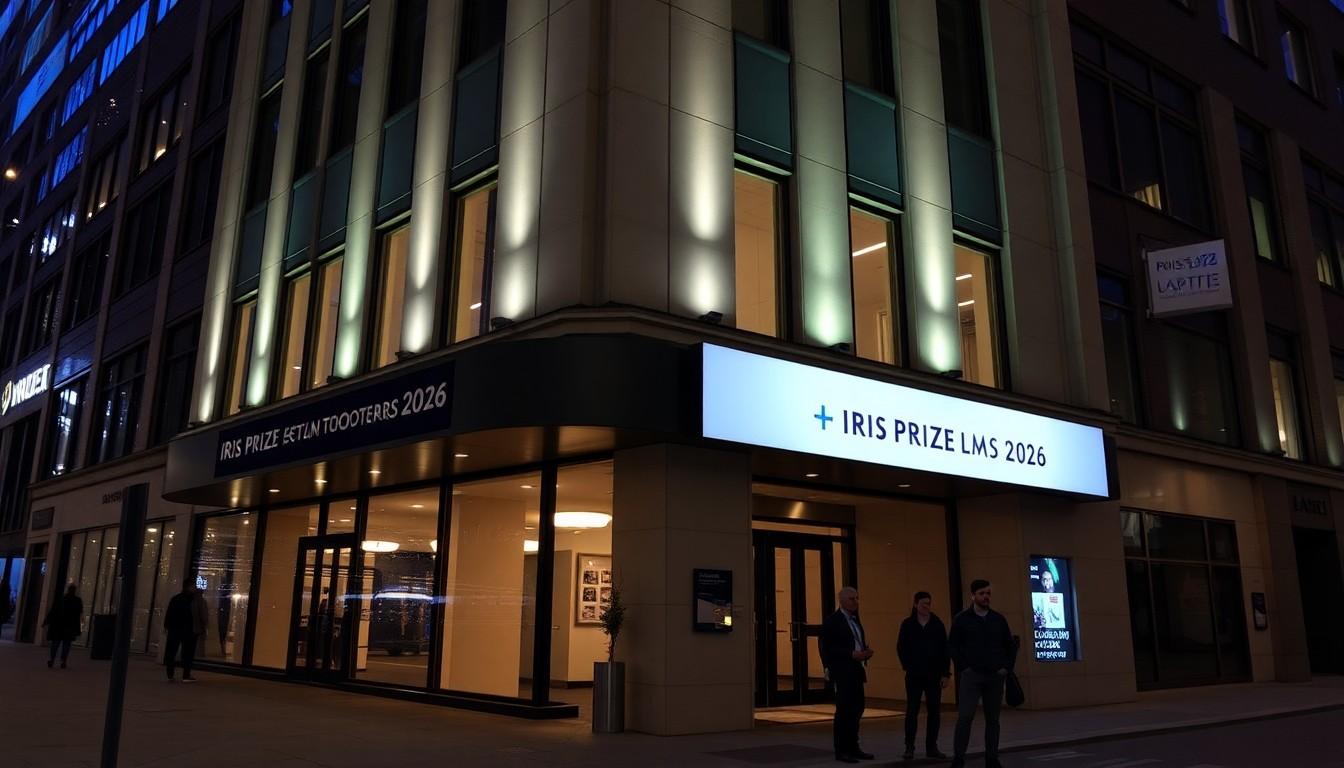
Audiences at the 2026 Iris Prize have chosen Luís Hindman’s Magid/Zafar as the standout LGBTQIA+ short film, earning the British filmmaker £40,000 towards his next UK-based queer project. Set inside a Pakistani-British takeaway, the tense drama led a strong field that also celebrated stories of lesbian love, ageing and displacement.
Essential Takeaways
- Top honour: Magid/Zafar won the 2026 Iris Prize, the world’s largest LGBTQIA+ short film award.
- Major support: Hindman receives £40,000 to develop another queer film in the UK.
- Intimate setting: The winning story unfolds in a Pakistani-British takeaway as personal tensions surface.
- Three special mentions: A Cappella, Black Shawl and Seahorse were recognised for distinctive LGBTQIA+ storytelling.
- A broad creative field: This year’s films explored queer lives across generations, countries and communities.
A tense takeaway drama takes the top prize
The strongest films often make an ordinary place feel charged, and Magid/Zafar appears to do exactly that. Inside a Pakistani-British takeaway, the film follows Magid as unresolved parts of his past collide with what lies ahead.
That compact setting gives the story an immediate, close-quarters energy. According to the Iris Prize film listing, the short centres on emotional pressure and personal change, making the takeaway feel less like a backdrop and more like a pressure cooker.
The result impressed the 2026 jury, which praised its lively storytelling, carefully revealed dialogue and confident use of pace. Flicker Magazine also reported the film's Iris Prize win, underlining its momentum within this year's competition.
What the £40,000 Iris Prize means for Hindman
Winning the Iris Prize isn't simply a trophy moment. The award comes with £40,000 to make a new queer-themed film in the UK, giving Hindman a valuable route from short-form recognition to a larger production.
That kind of practical backing matters in LGBTQIA+ cinema, where ambitious stories can struggle to secure development money. The official Iris Prize website describes the award as a major platform for LGBTQIA+ filmmakers, while Nation.Cymru reported that the prize supports Hindman's next creative project as well as celebrating his current film.
For audiences, the appeal is clear. A strong short can introduce a filmmaker's voice, but production funding gives that voice room to grow. Hindman's next film will now arrive with considerable attention already attached to it.
Four films, four very different queer perspectives
The 2026 celebration wasn't built around one type of LGBTQIA+ story. Marcin Kluczykowski's A Cappella received a special mention for its subtle portrait of an older couple in Poland, bringing tenderness and lived-in realism to the programme.
Kamila Boichenko's Black Shawl was recognised for its depiction of lesbian love in a refugee camp, while Leo Tabosa's Seahorse was praised as a warm and unexpected story. Fridae reported the wider set of honours, showing how the festival's selection stretched across age, geography and experience.
That's part of the Iris Prize's value. It doesn't reduce queer cinema to a single mood or issue; instead, it lets intimate dramas, romantic stories and socially rooted films sit alongside one another.
Why short films still matter in LGBTQIA+ cinema
Short films can take risks that larger productions sometimes avoid. They can move quickly, focus tightly on one emotional turning point and introduce viewers to communities or experiences that rarely receive the same attention in mainstream cinema.
The Iris Prize's international profile helps those stories travel further. Its official site positions the award as a significant LGBTQIA+ film platform, while Soapland TV highlighted Hindman's £40,000 win as a major moment for queer filmmaking.
There is also something refreshingly direct about the format. A short doesn't need to explain every feeling or tie up every thread, and that can make the viewing experience feel sharper, quieter and more personal.
The next chapter starts here
Hindman's win gives Magid/Zafar a clear place in this year's LGBTQIA+ film conversation, but the most exciting part may be what follows. The prize creates space for a new project, while the special mentions ensure that several other filmmakers leave the festival with their work newly noticed.
For viewers keen to discover emerging queer cinema, these awards offer an easy starting point. Begin with the winner, then seek out the three specially mentioned films for a fuller sense of the range on show.
The best festival discoveries often stay with you after the credits, and this year's selection looks set to do just that.
Source Reference Map
Story idea inspired by: [1]
Sources by paragraph:
- Paragraph 1: [2], [4]
- Paragraph 2: [3], [5]
- Paragraph 3: [4], [6]
- Paragraph 4: [2], [3]
- Paragraph 5: [5], [7]
- Paragraph 6: [6], [3]
- Paragraph 7: [3], [7]
- Paragraph 8: [4], [6]
- Paragraph 9: [3], [7]
- Paragraph 10: [2], [5]
- Paragraph 11: [3], [4]
- Paragraph 12: [6], [7]
- Paragraph 13: [2], [3]
- Paragraph 14: [4], [5]
- Paragraph 15: [3], [6]
- Paragraph 16: [2], [7]
- Paragraph 17: [3], [5]
- Paragraph 18: [4], [6]