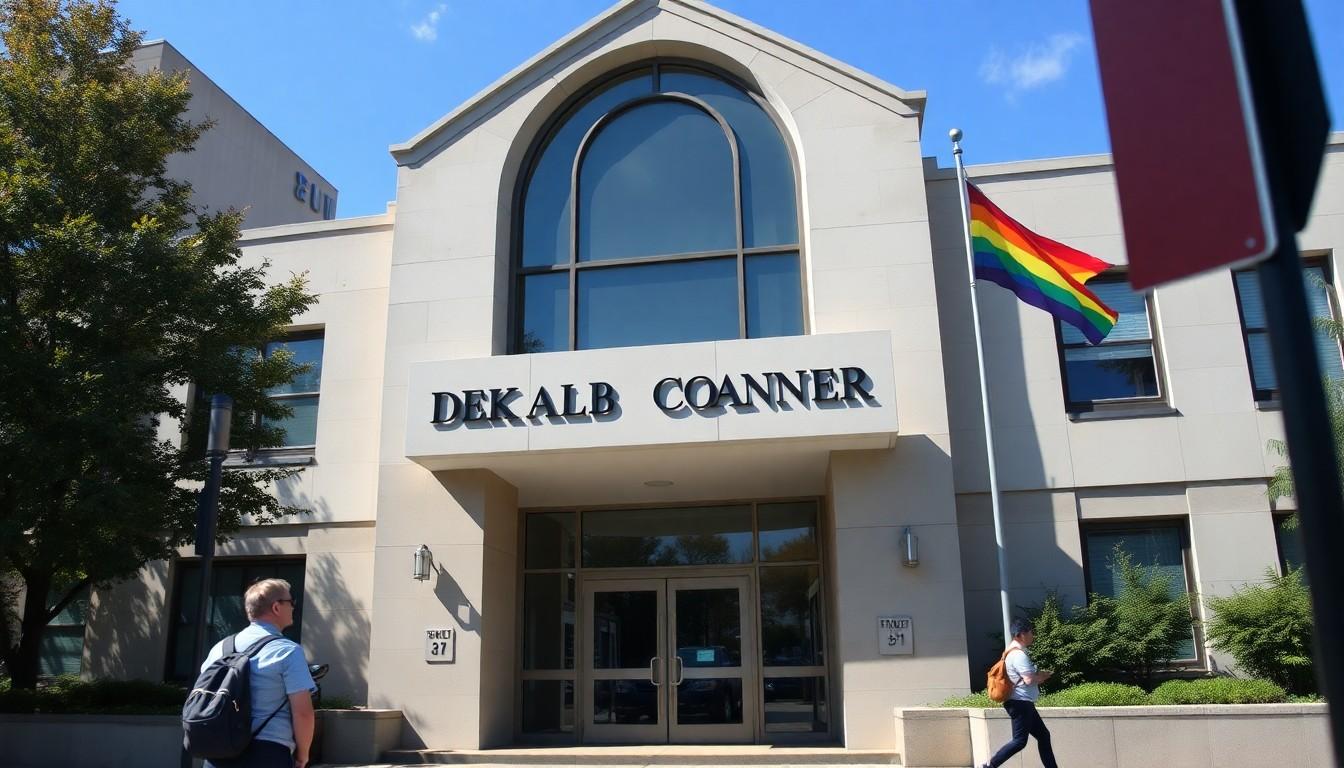
Advocates are urging DeKalb County residents to support an amendment that would extend LGBTQ+ protections into private employment and housing, closing gaps left by the county's 2023 non-discrimination ordinance. The measure could reach commissioners as early as 20 October, making local engagement especially important for residents, businesses and landlords.
Essential Takeaways
- Current protection: DeKalb's ordinance covers public accommodation and county employment, including discrimination based on sexual orientation and gender identity.
- The proposed change: The amendment would broaden safeguards to include non-county employment and housing.
- Who is backing it: Commissioners Robert Patrick, Michelle Long Spears and Ted Terry sponsored the proposal.
- What residents can do: Contact their county commissioner and follow the commission's meeting and livestream information.
- Why it matters: A business can face suspension of its licence for up to six months after an ordinance violation.
DeKalb's existing rules leave two important gaps
DeKalb County's first non-discrimination ordinance, adopted in 2023, was a significant local step. It bars discrimination in public accommodation and county employment across a broad list of protected characteristics, from race and religion to disability, sexual orientation and gender identity.
But the protection has a noticeable boundary. A person may be covered when visiting a restaurant, shopping in a store or working for the county, yet still have fewer safeguards when applying for a private-sector job or trying to secure a home.
That distinction is at the heart of the proposed amendment. County records and legislative materials provide the formal framework for tracking ordinances, resolutions and agenda items. According to the county's public legislative information, residents can follow how measures move through the commission rather than relying solely on campaign messages.
What the proposed amendment would change
Advocacy groups say the measure would extend the ordinance to non-county employment and housing, creating a more consistent set of protections for LGBTQ+ residents and other marginalised communities.
That matters in ordinary, high-stakes moments: signing a tenancy agreement, responding to a landlord's questions or competing for a job. These are areas where people need clarity, not a legal patchwork that changes depending on whether they are entering a shop or seeking somewhere to live.
The proposal is sponsored by Commissioners Robert Patrick, Michelle Long Spears and Ted Terry. Public legislative listings and commission records are the best places to check the latest wording, status and meeting documents, especially as amendments can be revised before a final vote.
Why housing and employment are the real test
Public-facing discrimination is easy to picture. Housing and employment are less visible, but the consequences can last much longer, affecting income, stability and a family's ability to put down roots.
Atlanta-area housing and planning organisations regularly track local policy changes because county rules can influence landlords, employers, developers and residents in practical ways. The wider lesson is simple: a non-discrimination policy only feels comprehensive if it follows people through the parts of life where they have the most to lose.
For residents, the detail is worth reading carefully. Check whether the proposal covers the situation you're concerned about, how complaints would be handled and which county office has responsibility for enforcement. A warm headline is helpful, but the wording is where the real protection lives.
How residents can follow and support the vote
Georgia Equality and the DeKalb County LGBTQ+ Democrats are encouraging residents to contact their commissioner. A short, personal message can be more useful than a flood of copied text: explain why employment and housing protections matter to you, then ask for a clear position on the amendment.
Residents should also confirm the meeting date and agenda before making plans. The commission was expected to consider the proposal as early as Tuesday, 20 October, with proceedings available through DCTV Channel 23. County meeting pages, agenda listings and the official legislative portal should be treated as the final source for timing and documents.
If you're writing to a commissioner, include your DeKalb address or district where appropriate, keep the message respectful and ask for confirmation that it has been received. Democracy is rarely dramatic in the inbox, but this is exactly where local decisions begin to feel real.
A local vote with wider significance
The proposed amendment arrives as communities across the United States continue to debate how local governments should protect LGBTQ+ people in workplaces, homes and public life. DeKalb's discussion is therefore local in administration but broader in meaning.
The county's existing ordinance already establishes a foundation. Supporters now argue that the foundation should reach beyond county employment and public accommodation, so that protections don't stop at the door of a shop or government office.
For residents watching the process, the next useful step is not speculation but attention: read the proposal, check the agenda and contact your commissioner. Small local measures can have a very tangible effect on whether people feel secure at work and at home.
It's a modest-looking amendment with deeply personal consequences.
Source Reference Map
Story idea inspired by: [1]
Sources by paragraph:
- Paragraph 1: [2], [3]
- Paragraph 2: [4], [5]
- Paragraph 3: [2], [4]
- Paragraph 4: [3], [5]
- Paragraph 5: [6], [7]
- Paragraph 6: [6], [7]
- Paragraph 7: [2], [3]
- Paragraph 8: [4], [5]
- Paragraph 9: [2], [3]
- Paragraph 10: [4], [6]
- Paragraph 11: [5], [7]
- Paragraph 12: [2], [3]
- Paragraph 13: [4], [5]
- Paragraph 14: [6], [7]