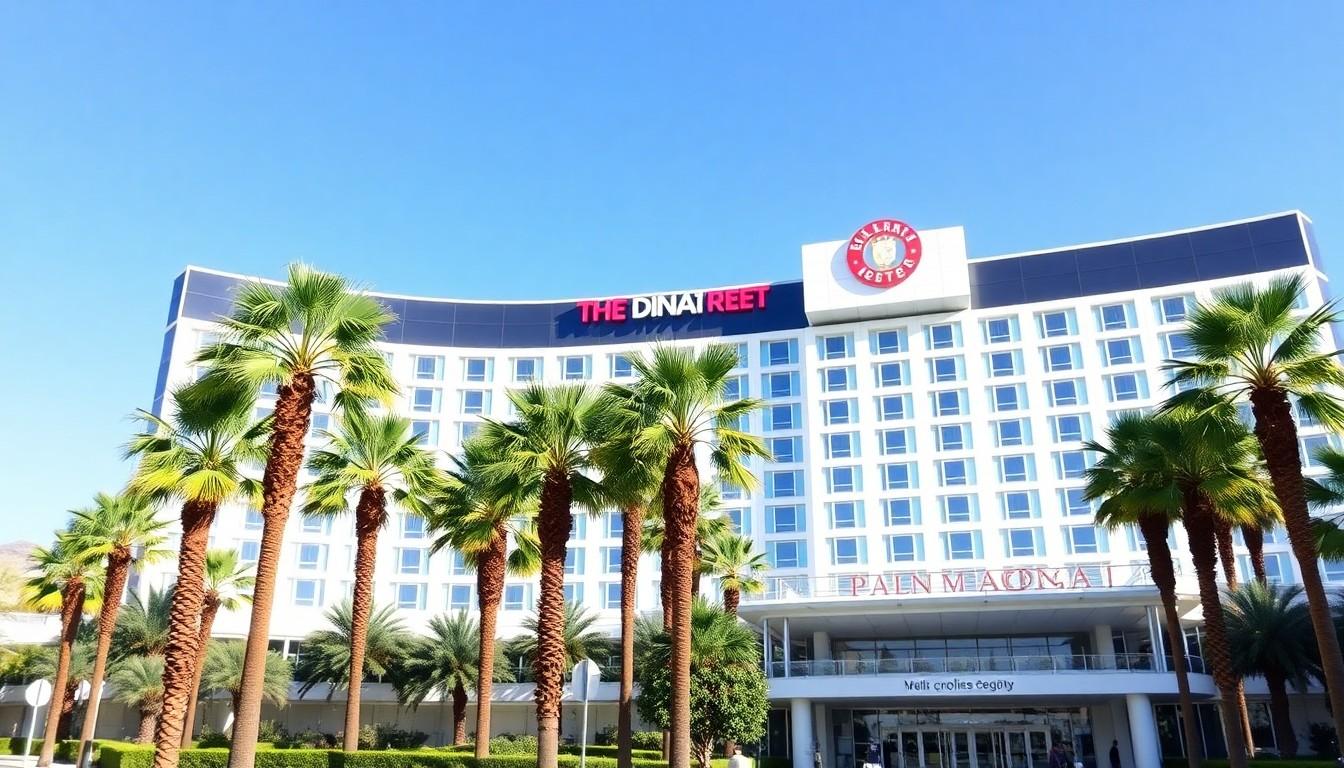
Festivalgoers are returning to Palm Springs for The Dinah, the long-running queer women’s celebration known for music, pool parties and community. As founder Mariah Hanson passes the event to Rose Garcia and Bella Barko, its 35th anniversary offers both a joyful milestone and a fresh chapter for one of LGBTQ+ culture’s most enduring gatherings.
Essential Takeaways
- A landmark anniversary: The Dinah has celebrated queer women and connected communities for 35 years.
- A new leadership team: Rose Garcia and Bella Barko are taking over from founder Mariah Hanson.
- More than a music festival: Pool parties, comedy, karaoke and social events remain central to the experience.
- A broader welcome: The event has grown to include non-binary and trans people alongside its core sapphic audience.
- Representation matters: Performers such as Da Brat, Hailey Kiyoko and queer comedians brought visibility and plenty of energy.
From one Palm Springs party to a cultural institution
The Dinah began with a straightforward but powerful idea: create a place where queer women could relax, celebrate and feel safe together. The first event, held in Palm Springs in 1991, attracted around 1,500 people, proving there was a sizeable appetite for a gathering built around community rather than simply nightlife.
Hanson also arranged hotel spaces exclusively for attendees, helping create a temporary queer world where people could move between parties, accommodation and events without constantly looking over their shoulders. Industry coverage of the festival’s history highlights that sense of safety as one of the reasons The Dinah became so meaningful. Sources: Gayety and The Dinah.
The formula gradually expanded. National sponsors, major performers and walkable venues helped turn a single party into a multi-day destination, while the event’s identity broadened to welcome trans and non-binary attendees. Sources: DIVA Magazine and Q Voice News.
Why The Dinah still feels necessary
There’s a particular kind of warmth to a festival where people already understand the joke, the nerves and the importance of finding your crowd. The Dinah’s packed pool gatherings, late-night entertainment and informal social spaces offer something that can be difficult to find elsewhere: visibility without explanation.
That matters as queer venues continue to face pressure. Reporting around the festival has pointed to the decline of lesbian bars and the way queer women remain scattered across cities and regions, making large, dedicated events especially valuable. It’s not just a party, then. It’s a meeting point. Sources: DIVA Magazine and Q Voice News.
Founder Mariah Hanson described the event’s purpose in simple terms, calling it a place of joy. That may sound modest, but joy can be a radical organising principle when a community has spent years defending its right to be visible. Sources: The Dinah and Gayety.
The 35th anniversary brought a fresh handover
This year’s celebration took place across Hotel Zoso and the Hilton Palm Springs, creating a compact festival footprint where guests could move between concerts, parties and daytime events. The arrangement keeps alive one of Hanson’s long-standing aims: building a shared environment rather than scattering the programme across town.
The anniversary also marked a change behind the scenes. Garcia and Barko, described as business partners and close friends, are now leading The Dinah into its next era. Coverage of the handover presents Hanson as both proud and supportive, with the founder staying involved as a mentor during the transition. Sources: The Hollywood Times and Gayety.
That continuity could be important. Festivals often lose some of their character when ownership changes, but The Dinah’s new leadership appears keen to protect its communal spirit while giving the event room to grow. For regulars, that balance will be worth watching.
Music, comedy and unapologetic queer energy
Music remains one of The Dinah’s biggest draws, and the anniversary line-up put queer and women-led talent firmly at the centre. Sasha Keable and The Aces helped open the festival programme, while Da Brat and Hailey Kiyoko took headline slots on separate nights. Sources: The Hollywood Times and The Dinah.
For Kiyoko, the performance came after time spent working on her directorial debut, Girls Like Girls. Her appearance carried a satisfying full-circle quality: an artist associated with queer pop culture returning to the stage with a film project adding another layer to her creative work.
The programme also made space for comedy, including Cameron Esposito, Pink Foxx and Abe Farrelly. That mix matters because The Dinah isn’t designed as a single-genre concert weekend. It’s closer to a temporary queer town, with music, laughter, sun and the occasional slightly chaotic poolside moment all part of the appeal. Sources: DIVA Magazine and The Hollywood Times.
How to make the most of a festival like The Dinah
If you’re considering a future visit, start with the practical details. Check which hotel hosts each event, plan comfortable footwear for moving between venues and don’t underestimate the value of downtime. Pool parties may look effortless, but a quiet hour, water bottle and reliable sun protection can save the evening.
It’s also worth looking beyond the headline acts. Comedy nights, karaoke and smaller social events are often where people make the connections they remember, particularly if they’re attending alone or arriving without a large friendship group. The Dinah’s broad programme is designed to make participation feel easy, not like a test of stamina. Sources: The Dinah and DIVA Magazine.
Most importantly, bring curiosity rather than a fixed idea of what the festival should be. Its audience has evolved over three and a half decades, and that wider sense of belonging is now central to its identity. The future will likely depend on keeping that welcome genuine while preserving the playful, sun-soaked spirit that made The Dinah famous. Sources: Q Voice News and Gayety.
The Dinah’s staying power proves that queer joy is worth making room for.
Source Reference Map
Story idea inspired by: [1]
Sources by paragraph:
- Paragraph 1: [2], [3]
- Paragraph 2: [5], [6]
- Paragraph 3: [4], [5]
- Paragraph 4: [7], [3]
- Paragraph 5: [4], [5]
- Paragraph 6: [2], [7]
- Paragraph 7: [6], [3]
- Paragraph 8: [6], [7]
- Paragraph 9: [4], [6]
- Paragraph 10: [4], [6]
- Paragraph 11: [7], [4]
- Paragraph 12: [7], [4]
- Paragraph 13: [5], [3]
- Paragraph 14: [5], [7]
- Paragraph 15: [5], [3]
- Paragraph 16: [6], [4]
- Paragraph 17: [7], [4]
- Paragraph 18: [5], [3]
- Paragraph 19: [7], [5]