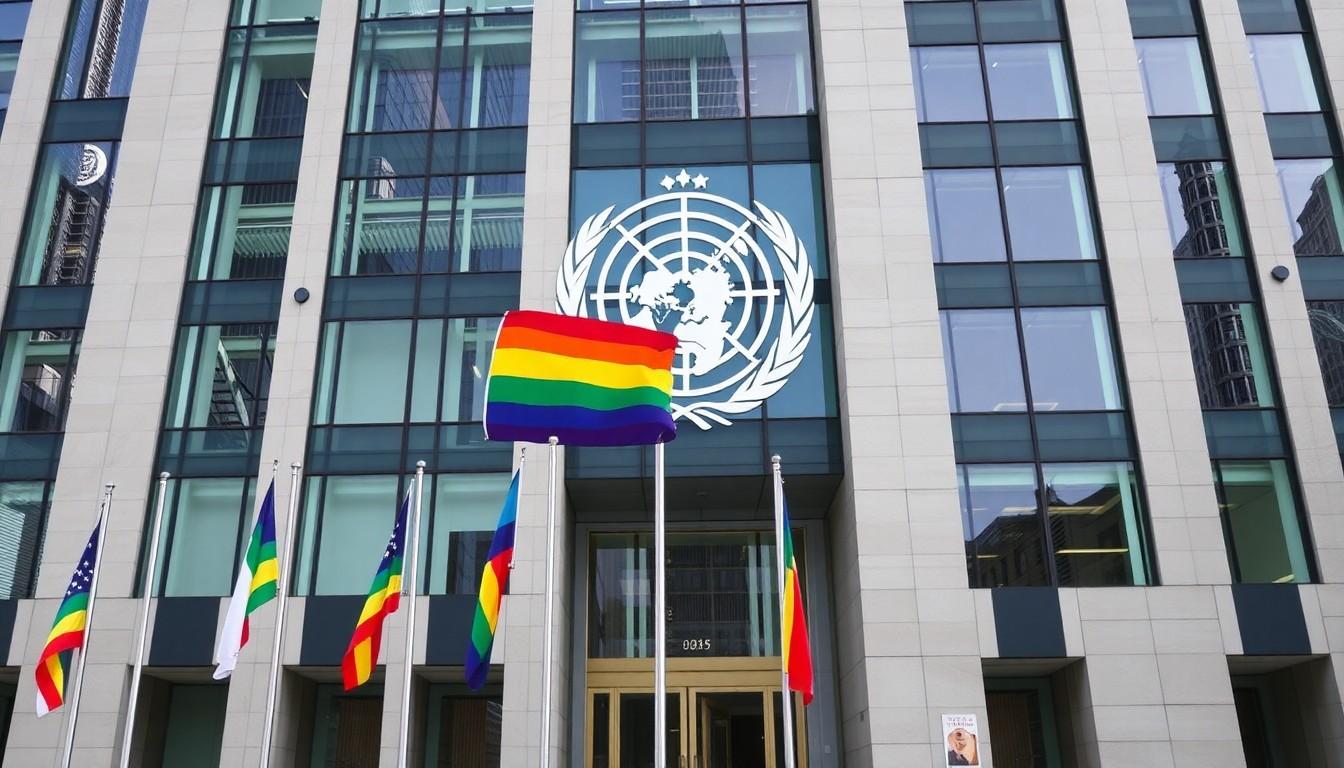
Advocates are warning that a proposed pro-life and pro-family coalition at the United Nations could coordinate opposition to LGBTQ equality, abortion access and wider reproductive rights. The initiative, backed by conservative political and religious figures, matters because it could turn scattered national campaigns into a more organised international bloc.
Essential Takeaways
- A new bloc is being planned: Conservative figures want a UN-linked “Core Group” focused on pro-life and pro-family policies.
- It would challenge existing rights work: The proposed coalition could oppose language protecting LGBTQ people and reproductive health.
- US influence is central: Organisers are seeking American backing while Washington holds a prominent role in related international agreements.
- The group isn't official yet: Plans remain under development, although supporters say they want to move quickly.
- Critics fear coordinated pressure: Advocates say joint voting and shared policy tools could make progress harder to defend.
A new power struggle is taking shape at the UN
The proposed coalition emerged during a two-day summit held in New York alongside the UN General Assembly. Conservative politicians, religious activists and representatives of right-wing organisations reportedly gathered to discuss creating a “pro-life and pro-family” Core Group.
That plan would sit opposite the UN LGBTI Core Group, an informal alliance of member states that has worked since 2008 to keep LGBTQ concerns on the international agenda. According to Global Voices, the existing group has helped defend inclusive language in resolutions covering human rights, humanitarian work and civilian protection.
The contrast is stark. One side is trying to reinforce recognition and protection, while the other wants a more organised platform to resist what it describes as outside pressure. It could make already tense negotiations even more combative.
Why a Core Group matters, even if it isn't a UN body
Core Groups aren't formal UN agencies, but they can still help countries coordinate their positions. That matters in negotiations where a single phrase about healthcare, equality or family policy can become the centre of a diplomatic tug-of-war.
A briefing shared by Ipas warns that the proposed group could support coordinated voting designed to dilute, block or attach conditions to references to sexual and reproductive health and rights. The organisation also argues that campaigners are increasingly presenting international rights standards as an attack on national sovereignty.
That framing is gaining traction well beyond UN meeting rooms. Reporting by Wise Voter and Gospeller describes the initiative as part of a wider effort to establish a collective conservative presence inside international institutions, rather than simply campaigning from the outside.
The US connection gives the proposal extra weight
Organisers are reportedly hoping the United States will sponsor or lead the new coalition. That ambition matters because American diplomatic, financial and political influence can give international initiatives a much larger reach.
The timing is particularly significant. The US has rejoined the Geneva Consensus Declaration, an agreement opposing abortion and promoting the traditional heterosexual family, and now holds a leading secretariat role among its signatories. According to Global Voices, supporters see that position as a useful launchpad for turning broad commitments into coordinated action.
The proposed coalition also has links to the Institute for Women's Health and its Protego framework, which promotes abortion opposition and abstinence-focused sex education. Guatemala and Uganda have been associated with the framework, while Hungary and Burundi have also signalled support, although public details vary.
LGBTQ protections and reproductive healthcare could feel the impact
For LGBTQ people, the concern isn't only about hostile statements. A coordinated bloc could affect how countries vote on resolutions, what language survives negotiations and whether inclusive protections are treated as settled rights or disputed political demands.
The same applies to reproductive healthcare. UNFPA's work on bodily autonomy emphasises people's ability to make informed decisions about their bodies, health and relationships. A rival coalition could push in the opposite direction by prioritising restrictions on abortion, contraception and comprehensive sex education.
Critics also question what abstinence-centred programmes leave out. Inclusive relationships and sex education can help young people understand consent, contraception, sexual orientation and gender identity. Removing those subjects doesn't make them disappear; it can simply leave teenagers with less reliable information and fewer ways to seek help.
What happens next?
The coalition has not yet been formally established, and analysts caution against treating it as a fully functioning UN institution. Even so, the organisers have already assembled influential supporters, outlined shared policy goals and identified possible member states.
That preparation is why rights groups are taking the proposal seriously. The International Planned Parenthood Federation and Outright International have both highlighted the risks of coordinated opposition, while UN Free and Equal continues to document the importance of protecting LGBTQ people from discrimination.
For now, the battle is over organisation as much as policy. A loose collection of campaigns can be noisy, but a disciplined international alliance can be far more effective. The next few months will show whether this proposal becomes a lasting diplomatic force or remains a headline-making plan.
It's not a formal UN body yet, but the warning signs deserve attention.
Source Reference Map
Story idea inspired by: [1]
Sources by paragraph:
- Paragraph 1: [2], [4]
- Paragraph 2: [3], [6]
- Paragraph 3: [5], [7]
- Paragraph 4: [2], [3]
- Paragraph 5: [4], [7]
- Paragraph 6: [5], [6]
- Paragraph 7: [2], [4]
- Paragraph 8: [3], [7]
- Paragraph 9: [5], [6]
- Paragraph 10: [2], [4]
- Paragraph 11: [3], [7]
- Paragraph 12: [5], [6]
- Paragraph 13: [2], [3]
- Paragraph 14: [4], [7]
- Paragraph 15: [5], [6]
- Paragraph 16: [2], [3]
- Paragraph 17: [4], [7]