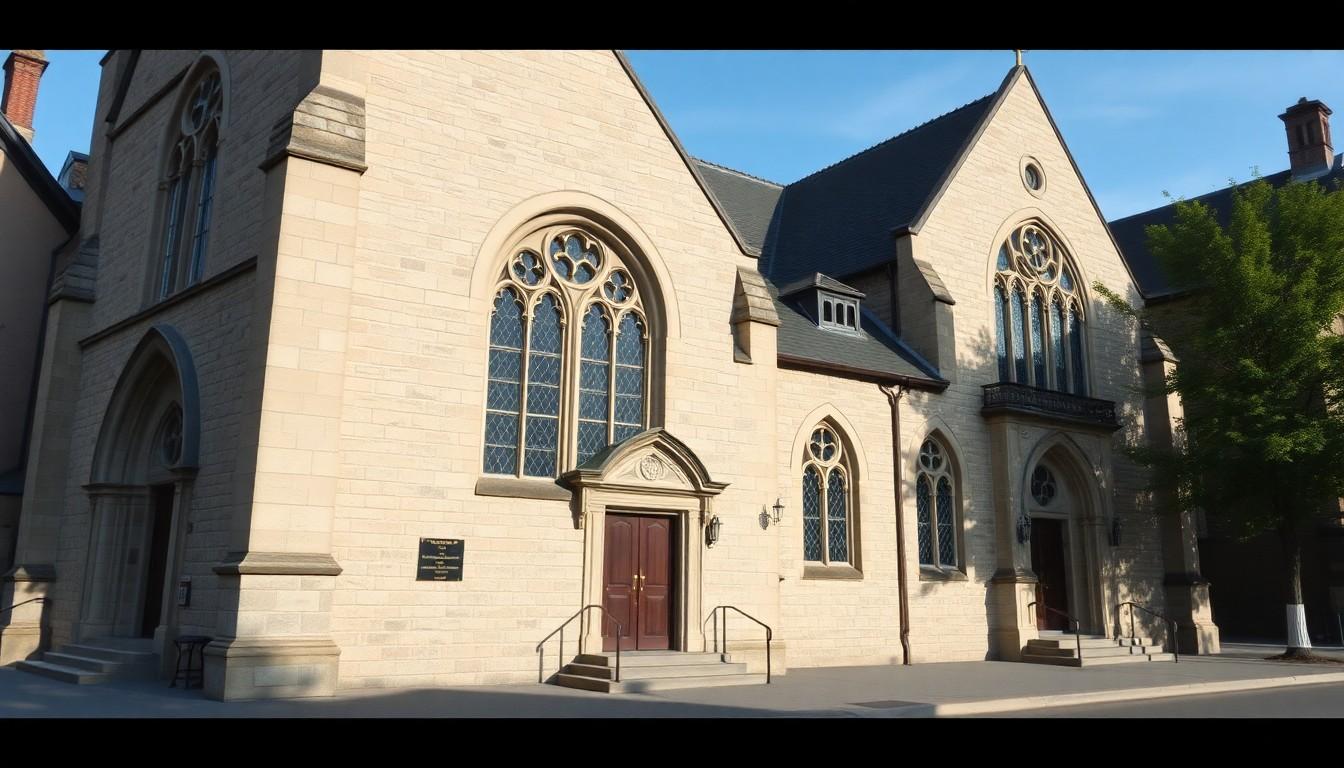
Readers are being urged to preserve LGBTQ Catholic history this October, from recorded memories and private papers to posters, photographs and community archives. The message is simple but powerful: these stories matter, not only because they reveal how LGBTQ people built belonging within the Church, but because they offer future generations a record of resilience, faith and resistance.
Essential Takeaways
- Everyday stories count: Personal memories, letters and photographs can fill gaps left by official records.
- Privacy still matters: Preserving a story doesn't always mean publishing it or revealing someone's identity.
- Oral history helps: Recorded interviews allow people to explain their lives in their own words and at their own pace.
- Community records are valuable: Group newsletters, meeting notes, flyers and prayer materials can become important historical evidence.
- Small steps help: Writing memories down, scanning papers or contacting an archive can protect fragile history.
LGBTQ Catholic stories have too often disappeared
The most striking thing about LGBTQ Catholic history isn't that there are so few stories. It's that so many have had to survive in fragments: a box of newsletters, a faded photograph, a diary tucked behind other papers, or a memory shared only within a trusted circle.
The Queer and Catholic Oral History Project has recorded more than 100 interviews with LGBTQ priests, sisters, artists, actors and advocates. Its work shows how people created community, challenged discrimination and maintained a relationship with Catholicism even when Church institutions made that relationship painful. The project describes oral history as a way to preserve experiences that might otherwise never enter the formal record. [4]
That work sits alongside the longer organisational histories of groups such as DignityUSA and New Ways Ministry. Their records help trace decades of LGBTQ Catholic organising, advocacy and pastoral work, making clear that these communities aren't a recent addition to Church life. [2], [3]
Why survival sometimes meant destroying the evidence
For many LGBTQ people, keeping proof of identity or association could once be dangerous. A membership list, meeting notice or photograph might expose someone to dismissal, rejection, family conflict or violence. In that climate, throwing records away wasn't carelessness. It could be a sensible act of protection.
That history helps explain why archives can feel incomplete. Official institutions often failed to preserve queer lives, while individuals and groups sometimes had to remove their own traces. DignityUSA's historical material, for example, documents a movement whose records are essential to understanding LGBTQ Catholic organising and its changing relationship with Church authorities. [2]
The danger hasn't vanished everywhere. People may still worry about being identified, especially if relatives, employers or local communities could react badly. Preserving history must therefore include the right to remain anonymous, restrict access or keep materials private.
A box of papers can tell a bigger story
Archivists don't only want grand speeches or famous names. A community flyer can show where people met. A retreat leaflet can reveal what mattered to members at the time. A handwritten note may capture the emotional reality that an official report leaves out.
Organisations such as the LGBTQ+ History and Archives Network highlight the importance of collecting and sharing LGBTQ records, while community projects such as the Pussy Palace Project's collaboratory demonstrate how varied queer heritage work can be. Together, these efforts point to a broader lesson: history isn't stored only in prestigious institutions. It also lives in bedrooms, cupboards, parish rooms and community centres. [5], [6]
If you're sorting your own materials, begin gently. Separate items that may be historically useful, scan fragile documents, write down names and dates while you still remember them, and avoid throwing away context. A plain envelope labelled with a group name and approximate year could prove surprisingly helpful later.
Oral history gives people control of their story
Written archives can show what happened, but interviews often explain what an event felt like. They can preserve pauses, uncertainty, humour and the details that official records tend to flatten. For communities whose experiences were ignored or misrepresented, that personal voice is particularly important.
The Queer and Catholic Oral History Project invites people to share their experiences of navigating LGBTQ identity and Catholic life. That model matters because participants can describe their own choices, contradictions and relationships rather than being reduced to a label. [4]
There are simple alternatives if a formal interview feels too daunting. Record a private voice note, write a letter to a future family member, or ask a trusted friend to document a conversation. Before sharing anything, agree where it will be stored, who can access it and whether names or images should be removed.
Preserving history is also an act of accountability
A community that keeps its records is harder to erase. The histories of DignityUSA, New Ways Ministry and other LGBTQ Catholic organisations show how sustained organising can challenge exclusion and create new forms of belonging. Their work also gives future readers evidence of what changed, what didn't and who made that change possible. [2], [3], [7]
There is a hopeful practicality to this. You don't need to be a historian, own a perfect archive or feel that your life is extraordinary. Continuing to gather, worship, organise, love and survive has historical value. Someone in the future may need proof that people like them were there all along.
A useful first step this LGBTQ History Month
Choose one action this month. Write down a memory, label a photograph, contact a local archive or ask a community group whether its records are being preserved. If publishing isn't safe, keep the material private with clear instructions for the future.
The important thing is to begin before fragile papers fade and memories become harder to recover. As DignityUSA's history shows, records kept by ordinary members can later become vital evidence of a movement's life and struggles. [2]
Preserving LGBTQ Catholic history doesn't require a grand gesture; sometimes it starts with opening a drawer and deciding that what you find is worth keeping.
Source Reference Map
Story idea inspired by: [1]
Sources by paragraph: