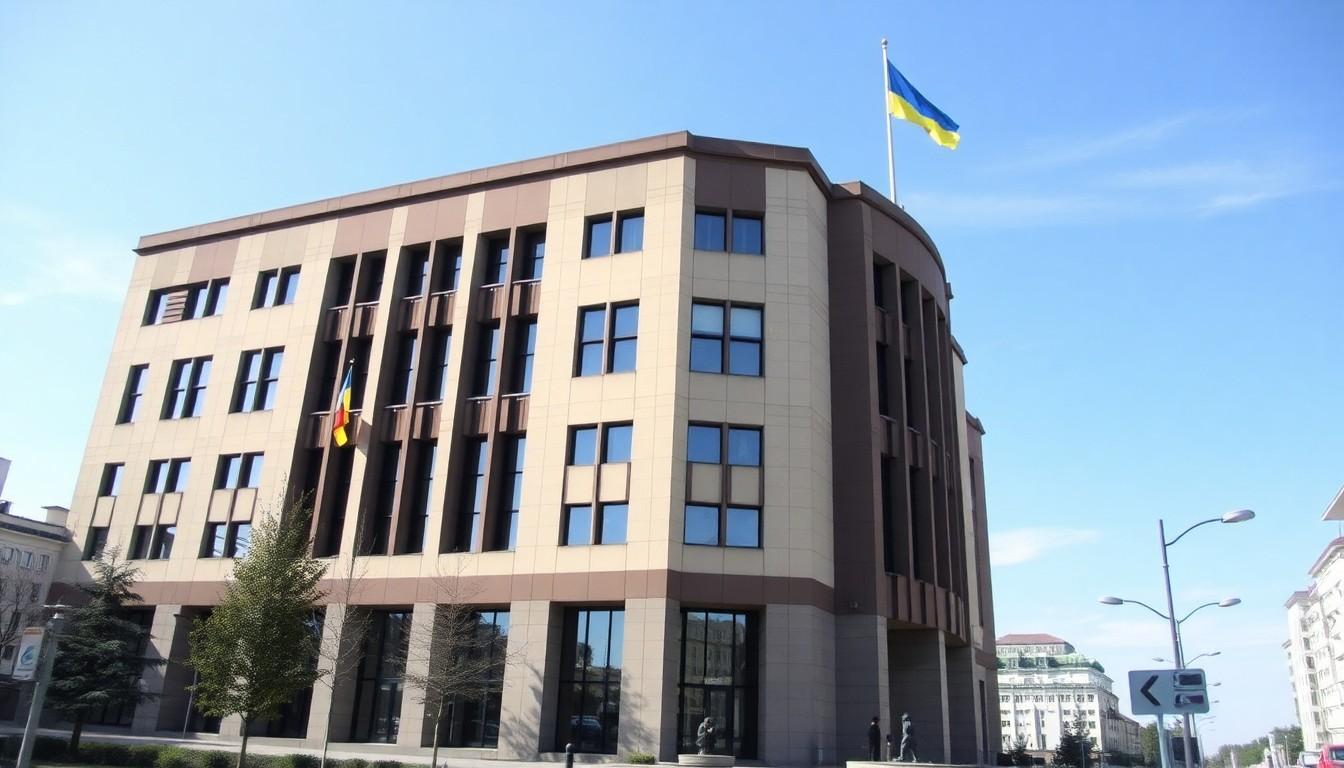
Ukraine has approved a new national human rights strategy that specifically addresses LGBTQ+ protections, hate crimes and access to services. The move gives the country’s LGBTQ+ community a clearer place in public policy, while also supporting its wider European integration ambitions during wartime.
Essential Takeaways
- A new national framework: President Volodymyr Zelenskyy approved the strategy on 12 October, with publication following three days later.
- LGBTQ+ people are named directly: The document identifies them among groups at heightened risk of rights violations.
- Hate crimes are a priority: Its goals include stronger investigations, legal help for victims and better police training.
- Services should become more accessible: Health care, education and other social support are included in the plan.
- Important gaps remain: Ukraine still doesn't recognise same-sex marriage, and anti-discrimination rules don't cover every public setting.
A clearer place for LGBTQ+ rights in national policy
The most significant detail is simple but powerful: LGBTQ+ people are explicitly included in Ukraine's new National Human Rights Strategy. According to the Ukrainian LGBTQ+ Consortium, the policy places their rights within the country's formal human rights agenda, rather than leaving them as a separate or occasional political issue.
The strategy also refers to other communities that may face violations, including national minorities, internally displaced people, children, disabled people, veterans and families who have lost relatives defending Ukraine. That wider framing matters because it presents equality as part of the country's overall resilience, not a side note. Ukrainian News reported that the document sets out objectives for protecting these groups through national policy.
For many people, that kind of wording may sound dry. In practice, it can shape priorities, funding and institutional behaviour, especially when public bodies are deciding which problems deserve attention first.
What the strategy promises to change
The LGBTQ+ section focuses on several practical areas. These include improving protection against discrimination, investigating anti-LGBTQ+ hate crimes more effectively, expanding access to health care and education, offering legal support to victims and strengthening training for law enforcement officers.
That list is important because it moves beyond broad language about tolerance. The Ukrainian LGBTQ+ Consortium described the strategy as a national roadmap for rights and freedoms, while Ukrainian News reported that it is intended to improve both legal safeguards and public services.
Still, a strategy isn't the same as a new law or an instant change on the ground. Its success will depend on whether ministries, police forces, courts and local authorities turn those commitments into everyday practice. For someone reporting an attack, seeking medical care or challenging discrimination, the test will be whether the system feels safer and more responsive.
The European connection is hard to miss
The decree also fits Ukraine's long-running effort to align its institutions with European standards. The Union of Orthodox Journalists reported that the new framework is linked to commitments under the 2014 EU-Ukraine Association Agreement, which was reviewed last year.
That context gives the strategy added weight. Human rights protections are not only a domestic question for Ukraine, but also part of how the country presents itself as it pursues closer ties with the European Union. Mezha reported that the strategy establishes national objectives across a broad range of rights, including protections for vulnerable groups.
For LGBTQ+ Ukrainians, that can create a useful mix of political pressure and public visibility. European alignment may encourage reforms, but local implementation will remain the measure that matters most.
Progress, but not full equality yet
Ukraine has already made some changes that distinguish it from countries where homosexuality remains criminalised. Same-sex relationships are legal, LGBTQ+ people can serve in the military, and trans people can legally update gender markers on official documents.
However, the legal picture is incomplete. Ukraine's constitution defines marriage as a union between a man and a woman, so same-sex couples still lack marriage recognition. Anti-discrimination protections cover employment and some other areas, but they don't extend comprehensively to public accommodations, according to the reported legal overview.
That gap helps explain why the new strategy matters. It doesn't deliver marriage equality overnight, but it identifies discrimination, hate crimes and access to services as issues requiring coordinated action. The direction is encouraging, even if the destination is still some distance away.
War has changed the conversation around identity
Russia's full-scale invasion in 2022 has also influenced how some Ukrainians view national identity and social values. Korabelov reported that the strategy comes as Ukraine continues to define its future in opposition to Russian aggression and authoritarian politics.
Some observers argue that Russia's use of anti-LGBTQ+ rhetoric has made homophobia appear more closely tied to the Kremlin's ideology. In an interview with Time in 2023, Ukrainian politician Inna Sovsun said that people may want to distinguish Ukraine from Russia in that area as well.
That doesn't mean public opinion has shifted uniformly, or that prejudice has disappeared. But the political contrast is striking: while Russia has made hostility towards LGBTQ+ people part of its state messaging, Ukraine's new strategy places protection from discrimination within a national human rights plan. For a country fighting to define its future, that symbolism carries real force.
The next step is making the promises visible in daily life.
It's a meaningful policy marker, but lasting protection will depend on implementation.
Source Reference Map
Story idea inspired by: [1]
Sources by paragraph:
- Paragraph 1: [2], [3]
- Paragraph 2: [2], [3]
- Paragraph 3: [3], [4]
- Paragraph 4: [2], [6]
- Paragraph 5: [3], [5]
- Paragraph 6: [4], [7]
- Paragraph 7: [5], [7]
- Paragraph 8: [3], [4]
- Paragraph 9: [2], [6]
- Paragraph 10: [3], [7]
- Paragraph 11: [4], [5]
- Paragraph 12: [7], [6]
- Paragraph 13: [4], [7]
- Paragraph 14: [5], [6]