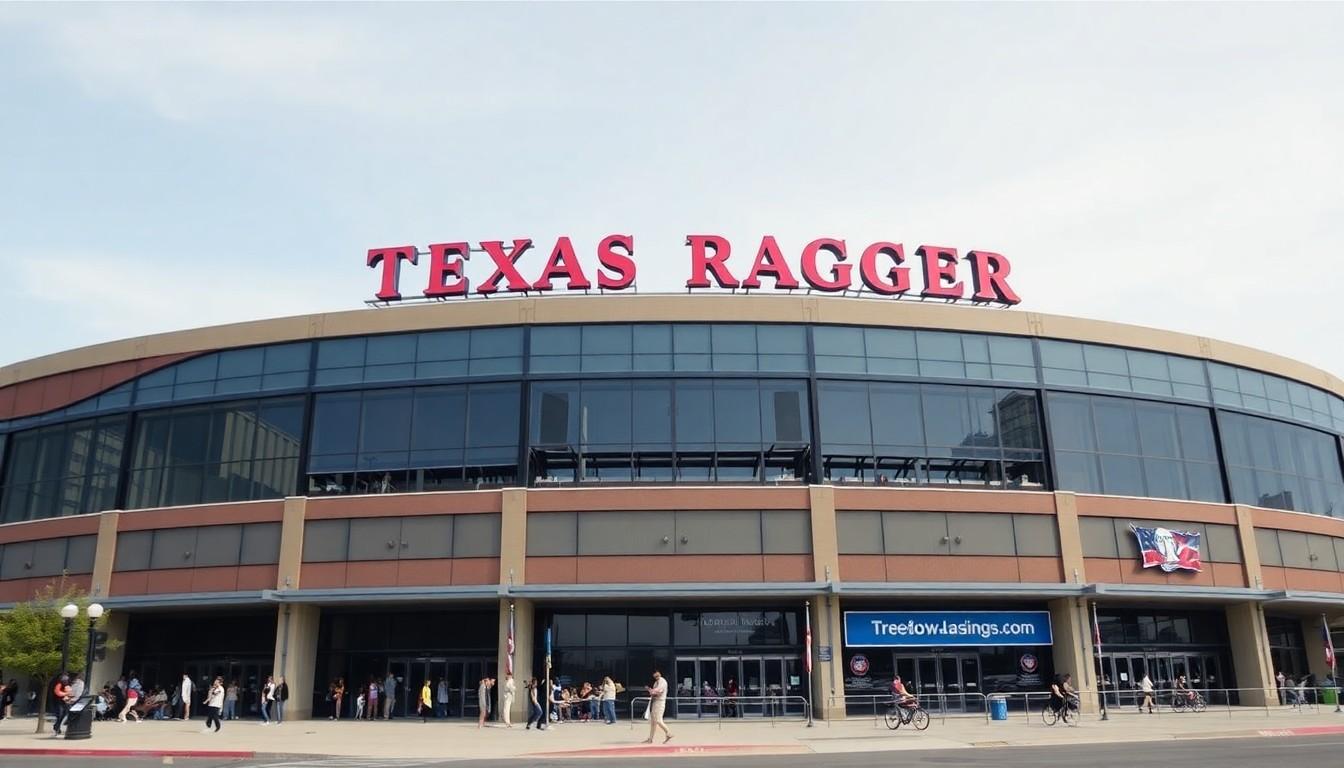
Sports fans saw an unexpectedly direct message from the Texas Rangers this Spirit Day, as the MLB club named sexual orientation and gender identity in an anti-bullying post. It was hardly a grand gesture, but for a team with a limited record of visible LGBTQ outreach, the small step stood out among baseball’s wider purple-themed campaign.
Essential Takeaways
- A clear message: The Rangers said nobody should be bullied for their sexual orientation or gender identity.
- A notable change: The wording went further than the club’s previous, more general Spirit Day messaging.
- A wider campaign: Spirit Day is organised by GLAAD to support LGBTQ young people and oppose bullying.
- Different levels of support: Some sports organisations paired posts with community work, while others offered only brief statements.
- Progress, with perspective: The message was welcome, but it still represented a basic expectation rather than a sweeping policy shift.
The Rangers finally said the quiet part plainly
The most striking detail was the wording. In a purple graphic shared for Spirit Day, the Rangers said people shouldn't be bullied or called names because of who they are, explicitly including sexual orientation and gender identity.
That may sound like a low bar, because it is. Yet public statements matter, particularly when they come from a major sports organisation whose fans include LGBTQ people, families and young supporters looking for signs that they belong. GLAAD describes Spirit Day as a global effort to stand against bullying and show support for LGBTQ youth.
The message wasn't flashy, and it didn't pretend to be. Still, after years of broad inclusion language that stopped short of naming LGBTQ communities, the directness felt meaningful.
Why a basic post attracted so much attention
Spirit Day is now a familiar fixture across sport, with teams and leagues often turning social feeds purple and sharing anti-bullying messages. Major League Baseball has promoted the observance before, framing it as part of a wider stand against bullying and a show of support for LGBTQ young people.
But visibility varies sharply from club to club. Some organisations use the day to highlight sustained community work, while others post a sentence and move on. PinkNews has previously examined how baseball teams approach LGBTQ inclusion, revealing the uneven nature of those public efforts.
That contrast explains the reaction here. The Rangers didn't suddenly become a model of LGBTQ engagement, but they did move from vague language to something more specific. Sometimes the headline is simply that a team decided not to dodge the subject.
Other clubs offered more than a social post
The Minnesota Vikings, for instance, have connected LGBTQ outreach with community activity, including support around the Gay Bowl. That kind of involvement gives a message some weight because it links online visibility with a real-world programme and a recognisable place for LGBTQ athletes and fans.
GLAAD's Spirit Day guidance encourages people and organisations to wear purple, share supportive messages and help create safer environments for LGBTQ youth. In that context, a post can be useful, but it's most convincing when it sits alongside year-round action.
The difference is easy to spot. A purple avatar lasts a day; a community partnership can keep doors open long after the graphics disappear.
What should fans look for next?
The sensible response isn't to dismiss the Rangers' post, nor to treat it as a full transformation. Fans can welcome the statement while watching for follow-through: inclusive fan policies, visible support for LGBTQ community groups, staff training and clear responses when abuse appears around the club.
It's also worth looking at the practical language teams use. Does a message name the people it claims to support? Does the organisation provide a way to report harassment? Are LGBTQ fans represented outside a single annual observance? Those questions separate a meaningful commitment from a calendar reminder.
MLB's previous Spirit Day campaigns show that anti-bullying messaging has been part of the league's public conversation for years. The next step is making that support feel less occasional and more ordinary.
Small progress is still progress
For Rangers supporters, the post may have landed with mixed emotions. It was encouraging to see sexual orientation and gender identity written plainly, but frustrating that such a basic acknowledgement felt surprising in the first place.
That tension is the real story. LGBTQ fans shouldn't have to celebrate a team for meeting the minimum, yet they also shouldn't have to pretend that public recognition has no value. The best outcome would be for this message to become routine, backed by action, until it no longer feels remarkable.
For now, the Rangers have taken one modest step in the right direction. The next test is whether they keep moving.
A simple message can open the door, but sustained inclusion is what makes people feel welcome.
Source Reference Map
Story idea inspired by: [1]
Sources by paragraph: