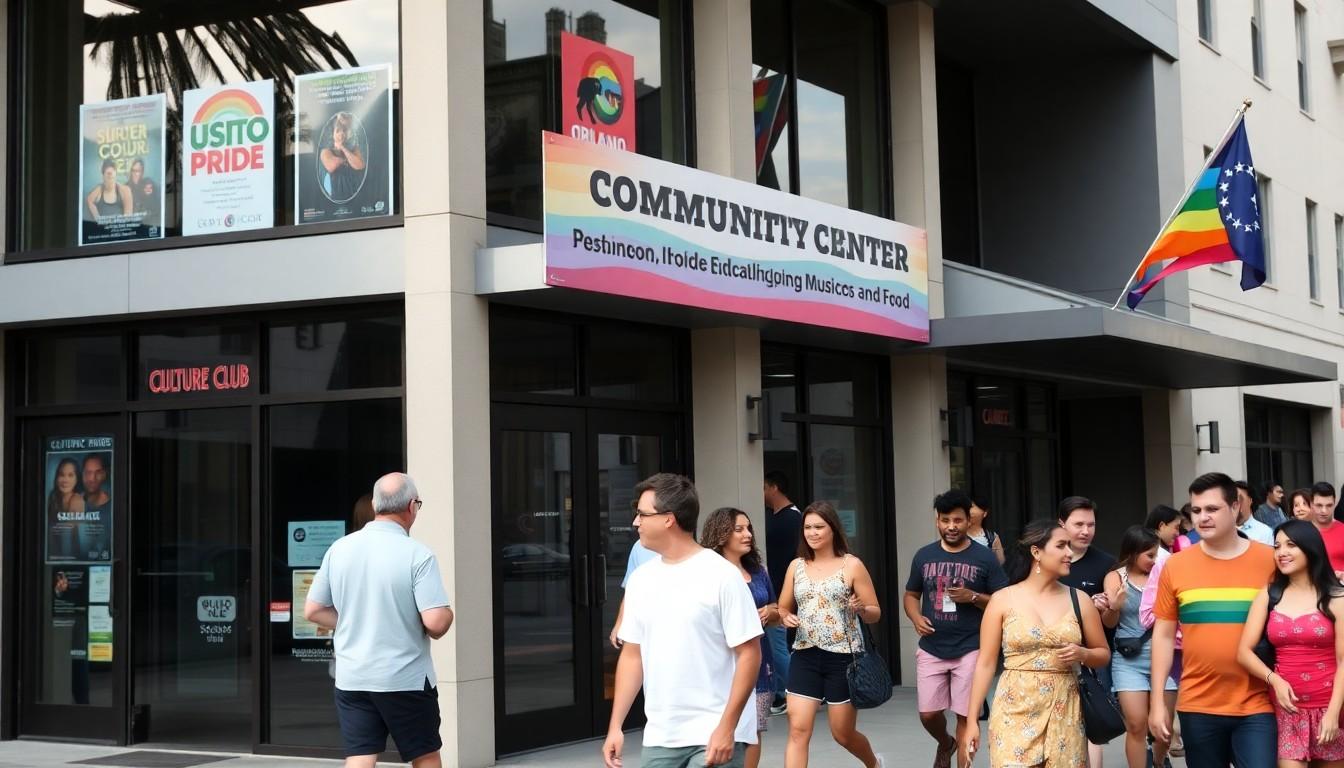
Organisers are introducing the Culture Club at Orlando Pride Festival to make the celebration more representative of the city’s diverse communities. With international music, distinctive food and a dedicated Pulse remembrance space, the new area aims to offer a warmer, more culturally specific experience for attendees and allies alike.
Essential Takeaways
- A new festival space: The Culture Club is designed to spotlight cultures and forms of expression not always represented on mainstream festival stages.
- International sounds: Expect bachata, salsa, Pakistani music and Afrobeats rather than a familiar Top 100 playlist.
- Food with a local difference: Organisers say the area will feature vendors and dishes not found elsewhere at the festival.
- A place to remember: The space will honour those lost in the Pulse nightclub tragedy.
- Open to everyone: Its organisers want people of colour to feel seen while welcoming curious allies into the celebration.
Orlando Pride is making room for more voices
The strongest message behind the Culture Club is simple: a major Pride celebration should reflect the people who live in the city around it. Organisers say local communities had raised concerns about the festival's board representation and outreach, prompting a more deliberate approach to inclusion.
That matters because Pride events can sometimes feel polished and broadly commercial, while the communities that shaped them risk becoming background detail. The Culture Club is intended to put culture, identity and joy firmly in the foreground.
Come Out With Pride Orlando is a longstanding community celebration with a broad programme of events, according to local event and community listings. The new area adds another layer to that programme, with a focus that feels more intimate, expressive and intentionally different.
Expect salsa, Afrobeats and music beyond the mainstream
Music will be one of the clearest ways the Culture Club sets itself apart. Instead of repeating the pop-heavy tracks visitors may hear elsewhere, the space will draw on bachata, salsa, Pakistani music and Afrobeats.
That variety should give the festival a different pulse, with more room for international sounds and the social energy that comes with them. For many visitors, it could feel less like a standard festival stage and more like stepping into a lively community gathering.
It also reflects a wider shift in Pride programming. Audiences increasingly want celebrations that do more than hang rainbow decorations over familiar entertainment; they want food, music and stories that acknowledge the full breadth of LGBTQ+ life.
Food and drink will help tell the story
The Culture Club isn't relying on music alone. Organisers say visitors will find food and drinks from vendors who won't appear elsewhere across the festival, giving the area its own flavour in every sense.
That kind of detail can make inclusion feel tangible. A new stage may catch the eye, but a plate of unfamiliar food, a welcoming vendor and music that feels personal can make people stay, relax and connect.
For visitors planning their day, the practical tip is to arrive hungry and allow time to explore rather than treating the Culture Club as a quick stop between headline acts. The best discoveries at a festival are often the ones that aren't on the biggest timetable.
A space for joy, memory and reflection
The Culture Club will also include a place to remember the victims of the Pulse nightclub tragedy. That addition gives the project emotional weight, particularly during a milestone anniversary year connected to the 2016 attack.
Pulse remains part of Orlando's collective memory, and its significance is inseparable from the city's LGBTQ+ community. Including remembrance within a space centred on cultural joy recognises that celebration and grief can exist together, rather than asking one to disappear for the other.
That balance feels especially important at Pride. Dancing, eating and gathering are not distractions from remembrance; they can be ways of carrying a community's history forward.
What the Culture Club could change for future Prides
The organisers' ambition is not to create a closed-off corner, but a platform where people of colour can celebrate on their own terms while allies are invited to listen, participate and enjoy the atmosphere respectfully.
That approach could make the Culture Club more than a new festival attraction. If it works, it may offer a useful model for other Pride events trying to move from general statements about inclusion towards visible, practical changes in programming and representation.
For Orlando visitors, the appeal is straightforward: expect a festival experience with a richer soundtrack, more distinctive flavours and a thoughtful place to pause. Sometimes the most meaningful change begins with giving people the space to celebrate as themselves.
It's a small new corner of the festival with the potential to make the whole celebration feel larger.
Source Reference Map
Story idea inspired by: [1]
Sources by paragraph:
- Paragraph 1: [2], [3]
- Paragraph 2: [4], [5]
- Paragraph 3: [6], [7]
- Paragraph 4: [2], [4]
- Paragraph 5: [3], [5]
- Paragraph 6: [4], [6]
- Paragraph 7: [2], [7]
- Paragraph 8: [3], [5]
- Paragraph 9: [4], [7]
- Paragraph 10: [2], [6]
- Paragraph 11: [3], [5]
- Paragraph 12: [4], [7]
- Paragraph 13: [2], [6]
- Paragraph 14: [3], [5]
- Paragraph 15: [4], [7]
- Paragraph 16: [2], [6]