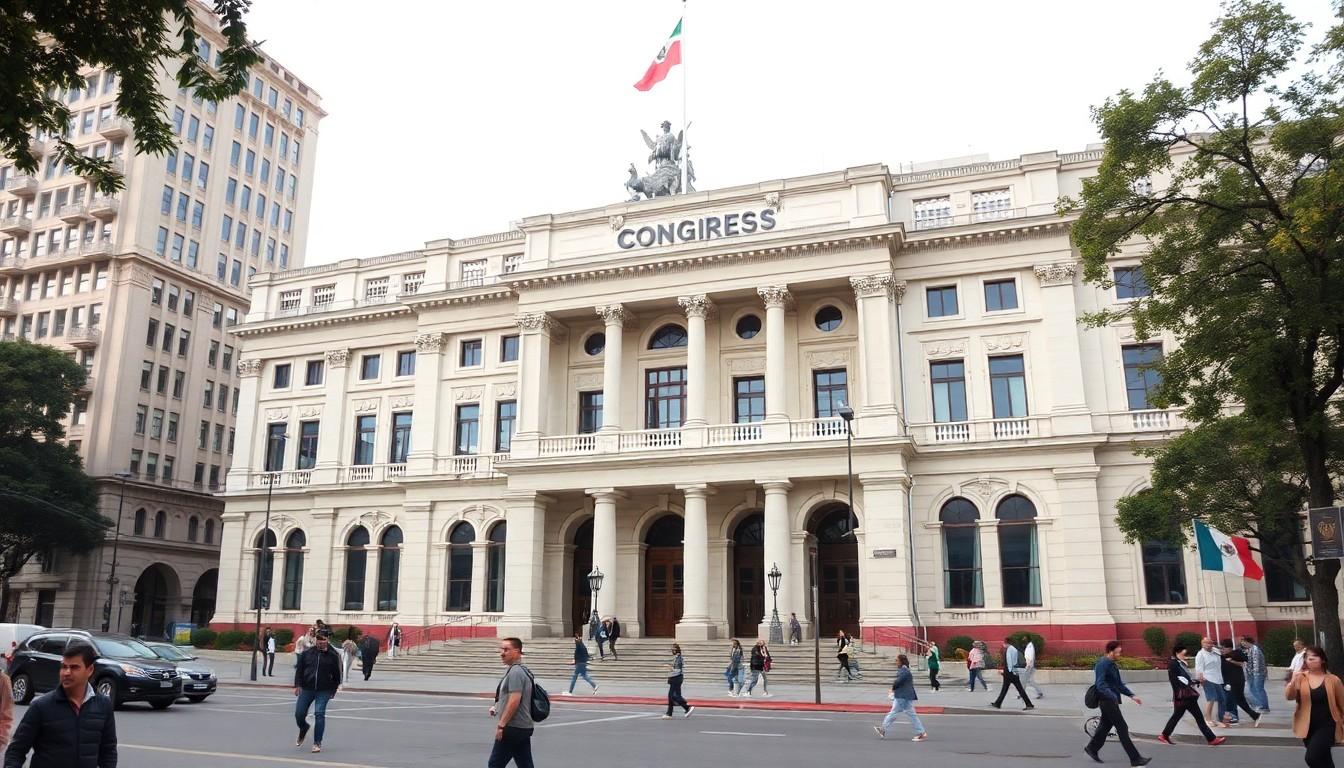
Mexico City lawmakers are proposing a cross-party commission after trans people and sex workers reported aggression during a protest in Cuauhtemoc. The move also calls for an administrative inspection of Hotel Maga, investigations into related complaints and stronger safeguards for LGBTIQ+ demonstrators, journalists and protesters across the capital.
Essential Takeaways
- Cross-party review: The proposed commission would include all parliamentary groups and monitor the reported attacks.
- Hotel Maga inspection: Cuauhtemoc officials would be asked to carry out an administrative check, with oversight from city institutions.
- Legal investigations: The city prosecutor's office is expected to review complaints involving trans and non-binary people, sex workers and journalists.
- Protest protections: Lawmakers want all 16 boroughs to avoid repression during demonstrations.
- Policy rethink: Rules covering safer hotels for sex workers, alongside a local LGBT+ health programme, will also face scrutiny.
Lawmakers respond after a tense protest
The proposal follows a demonstration outside the Cuauhtemoc borough offices, where trans people and sex workers called for an inspection of Hotel Maga. Reports from the protest described alleged aggression involving demonstrators, journalists and members of the trans community, turning a local dispute into a wider question about public safety and accountability.
According to the Mexico City Congress, the proposed commission would be formed through its political coordination body and include representatives from every parliamentary group. That structure matters because the issue is politically sensitive, while a broader panel may make it harder for the case to be treated as a purely partisan argument.
The development came after protesters met lawmakers at the capital's Congress. Olivia Garza, president of the governing board, and Morena coordinator Xochitl Bravo received a delegation for talks, with Bravo saying the dialogue and follow-up work would continue. The city's Congress reported the meeting as an attempt to move from confrontation towards concrete action.
Hotel Maga becomes the focus of official scrutiny
A central request is an administrative inspection of Hotel Maga, with the Cuauhtemoc borough asked to provide information and cooperate with oversight from the city's Comptroller and Human Rights Commission. The proposed review is intended to establish what happened and whether further measures are needed, rather than leaving the dispute to competing public statements.
The borough previously reported damage to walls, windows and doors, missing furniture and graffiti after the demonstration. The mayor, Alessandra Rojo de la Vega, also said borough staff had confronted protesters. Meanwhile, coverage from Capital CDMX reported that trans sex workers rejected responsibility for the destruction, underlining the sharply different accounts surrounding the incident.
That disagreement is precisely why an independent-looking administrative process could prove important. A clear timeline, witness accounts, video evidence and records from officials would give the public something firmer than accusations traded across social media.
A wider call for safer protest rights
The proposed measures go beyond one hotel. Lawmakers are expected to ask all 16 boroughs to avoid repressive actions against LGBTIQ+ protesters, journalists and anyone exercising the right to demonstrate. It is a broad request, but an important one, because policing and administrative enforcement can quickly become flashpoints when vulnerable communities are involved.
The Congress also plans to ask the Mexico City prosecutor's office to examine case files linked to alleged aggression against trans and non-binary people, sex workers and journalists during the Cuauhtemoc protest. According to reporting from Somos el Medio and Consulta News, the complaints have raised concerns about both the treatment of protesters and the response of authorities.
For anyone following the case, the practical test will be whether investigations produce publicly understandable results. A commission can organise hearings and collect information, but accountability depends on evidence being assessed carefully and findings being acted upon.
Health support and safer hotels are now on the agenda
The Congress is also expected to seek details from Cuauhtemoc about its social programme offering health support to LGBT+ people. That request links the immediate protest to a broader issue: community safety isn't only about what happens during a demonstration, but also about access to healthcare, secure workplaces and reliable public services.
Lawmakers have further committed to reviewing legislation on hotels considered safe for sex workers. This could become one of the most consequential parts of the response, provided the review includes the people most affected and doesn't treat them simply as subjects of regulation.
The need for consultation was reflected in the meeting with the trans delegation. As Xochitl Bravo said in remarks reported by the Mexico City Congress, the aim was to listen and continue working with collective organisations. That may sound modest, but sustained dialogue is often where practical safeguards begin.
What happens next?
The Junta de Coordinacion Politica must now shape the proposed special commission, while the borough and other city bodies face requests for information, inspections and follow-up. The prosecutor's office will also be under pressure to clarify how related complaints are progressing.
The case has already exposed a familiar problem in public-policy disputes: officials may agree that something needs investigating, yet disagree strongly about what happened in the first place. A transparent process, protection for witnesses and regular public updates would help prevent the issue from fading once the headlines move on.
For trans people, sex workers and journalists, the central question is straightforward: will these commitments make the next interaction with authorities safer? The answer will depend less on the announcement than on what institutions do next.
It's a small but significant step if scrutiny leads to real protection.
Source Reference Map
Story idea inspired by: [1]
Sources by paragraph:
- Paragraph 1: [2], [6]
- Paragraph 2: [4], [6]
- Paragraph 3: [3], [5]
- Paragraph 4: [2], [7]
- Paragraph 5: [5], [7]
- Paragraph 6: [2], [6]
- Paragraph 7: [3], [5]
- Paragraph 8: [6], [7]
- Paragraph 9: [2], [6]
- Paragraph 10: [3], [5]
- Paragraph 11: [4], [6]
- Paragraph 12: [2], [7]
- Paragraph 13: [5], [6]
- Paragraph 14: [2], [4]