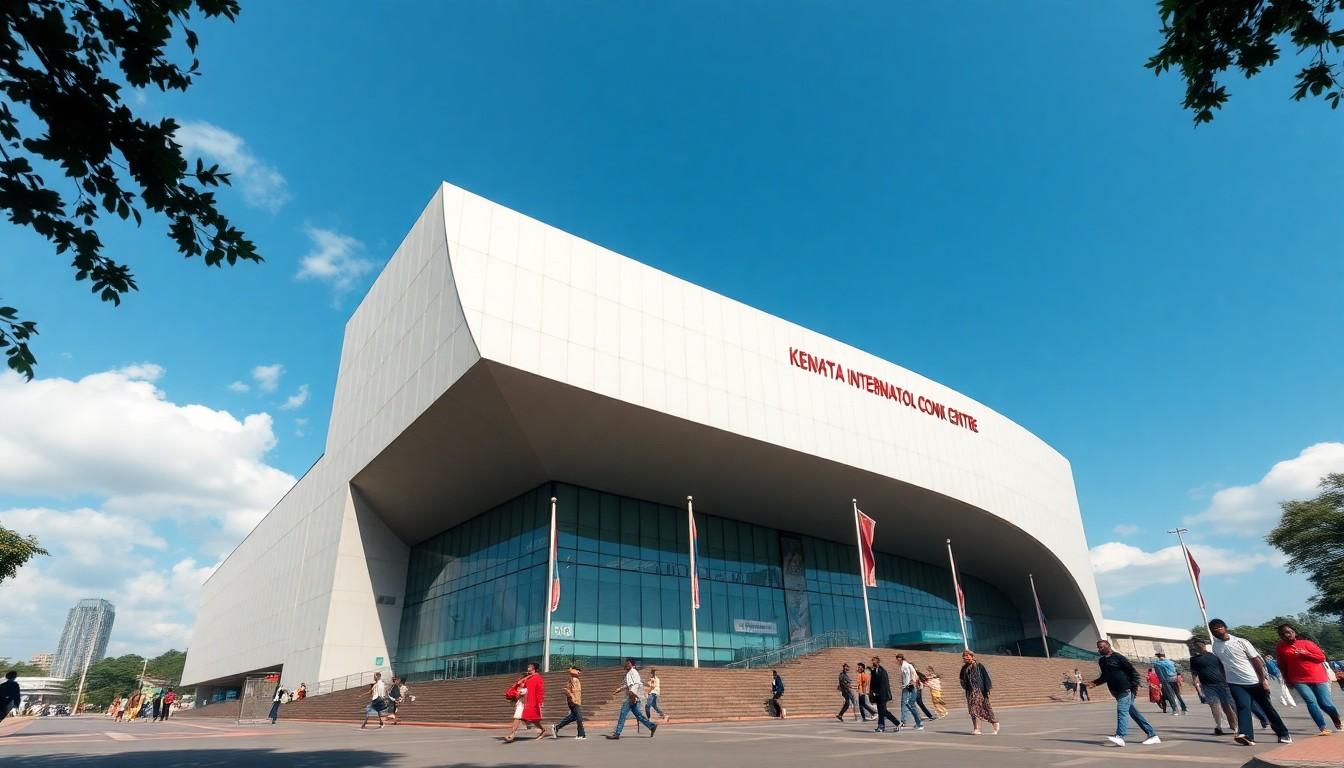
Attention is turning to Kenya's LGBTQ rights record as Nairobi prepares to host the 2029 World Athletics Championships. For athletes, visitors and local communities, the issue reaches well beyond sporting headlines: same-sex relationships remain criminalised, while a landmark court ruling has offered limited progress and plenty of uncertainty.
Essential Takeaways
- Same-sex relationships remain criminalised: Kenya's laws can impose lengthy prison sentences for consensual same-sex relationships.
- A court victory brought limited progress: LGBTQ groups won recognition of their right to register associations, but the ruling didn't legalise same-sex relationships.
- Safety remains uneven: Activists report intimidation, blackmail and difficulty seeking police protection.
- Elite athletes may have extra protection: International status, nationality and visibility can reduce some risks, although they don't erase them.
- Nairobi 2029 raises bigger questions: Human rights standards should be considered when major sporting events are awarded, not only after the host is chosen.
Why Kenya's 2029 athletics spotlight matters
The 2029 World Athletics Championships will bring international attention to Nairobi, and that spotlight is already exposing uncomfortable questions about inclusion. Kenya is a major athletics power, so the event is likely to attract stars, supporters and media from around the world.
For LGBTQ athletes and visitors, however, a championship isn't simply a timetable of races and medal ceremonies. The legal backdrop matters too. Same-sex relationships are still prohibited, creating a sharp contrast between sport's public language of equality and the reality faced by many people in the host country.
That contrast is particularly personal for Finnish hammer thrower Silja Kosonen, whose partner, futsal player Senni Viren, is also an athlete. A public gesture that might feel ordinary at a European championship could carry a very different calculation in Nairobi.
Kenya's court ruling was progress, but not full equality
Kenya's Supreme Court has recognised LGBTQ groups' right to organise, a decision widely viewed as an important step for freedom of association. The Guardian reported that the ruling was celebrated by activists, even as it left the criminalisation of same-sex relationships untouched.
That distinction is crucial. The judgement didn't make homosexuality legal, nor did it create broad protection from discrimination. As The Star explained, the decision concerned registration and association rights rather than a wholesale change to the country's criminal law.
So the result is best understood as a narrow opening, not a finished reform. Kenya has an active LGBTQ civil-society movement and a sizeable regional community, but activists still operate in a political and social climate that can be hostile.
What risks do LGBTQ people face?
Legal uncertainty can quickly become a practical safety problem. Reports cited by human-rights organisations have described harassment, threats and blackmail, with victims sometimes reluctant to approach the police because they fear further exposure or disbelief.
For a visiting elite athlete, the circumstances may be less dangerous than they are for a local LGBTQ person without money, public visibility or international support. But that doesn't make the concern imaginary. A famous competitor can still face online abuse, intrusive attention or pressure to hide a relationship.
The safest approach for anyone travelling is to check current guidance, avoid assuming that tourist areas reflect the wider legal environment and make a private plan for support. Keep emergency contacts accessible, use secure communication and remember that no athlete should be expected to become a public campaigner simply because a competition is being held somewhere with weak protections.
Can major sporting events drive change?
Hosting a global championship can bring scrutiny, funding and new conversations. It can also give local organisations a rare platform, particularly when international teams, journalists and governing bodies choose to listen rather than simply arrive, compete and leave.
The PinkNews coverage of Kenya's Supreme Court decision highlighted the importance of that visibility, while reporting in The Star showed how the ruling triggered both celebration and backlash. That mixed reaction is a reminder that progress can be real and fragile at the same time.
There is also a timing issue. Human-rights checks are far more useful before a host is selected than after construction begins and tickets go on sale. Governing bodies should examine criminal law, police conduct, freedom of association and protections for marginalised groups as part of the bidding process.
Athletes need choice, not pressure
Kosonen's situation illustrates the difficult balance facing high-profile competitors. Her international profile may offer advantages that local LGBTQ people don't have, but it shouldn't turn her into a symbolic test case for Kenya's politics.
Athletes should be free to decide whether they want to speak publicly, show affection, support local groups or keep their private lives private. The best role for federations is practical: provide clear advice, confidential welfare support and a firm response to harassment.
Meanwhile, international visitors can help by supporting credible local organisations and listening to what they say would be useful. Sometimes the most meaningful solidarity isn't the loudest social-media post. It's making sure local voices aren't pushed aside when the world's cameras arrive.
The Supreme Court decision shows that change is possible, but the continuing criminalisation of same-sex relationships shows how far Kenya still has to go. Nairobi 2029 should be judged not only by the quality of its athletics, but by whether everyone connected with the event can participate with dignity and safety.
Small legal openings matter, but they shouldn't be mistaken for full equality.
Source Reference Map
Story idea inspired by: [1]
Sources by paragraph:
- Paragraph 1: [2], [4]
- Paragraph 2: [3], [6]
- Paragraph 3: [5], [7]
- Paragraph 4: [2], [3]
- Paragraph 5: [4], [5]
- Paragraph 6: [2], [7]
- Paragraph 7: [3], [6]
- Paragraph 8: [2], [4]
- Paragraph 9: [5], [7]
- Paragraph 10: [3], [6]
- Paragraph 11: [2], [7]
- Paragraph 12: [4], [5]
- Paragraph 13: [2], [3]
- Paragraph 14: [5], [7]
- Paragraph 15: [2], [4]
- Paragraph 16: [3], [6]