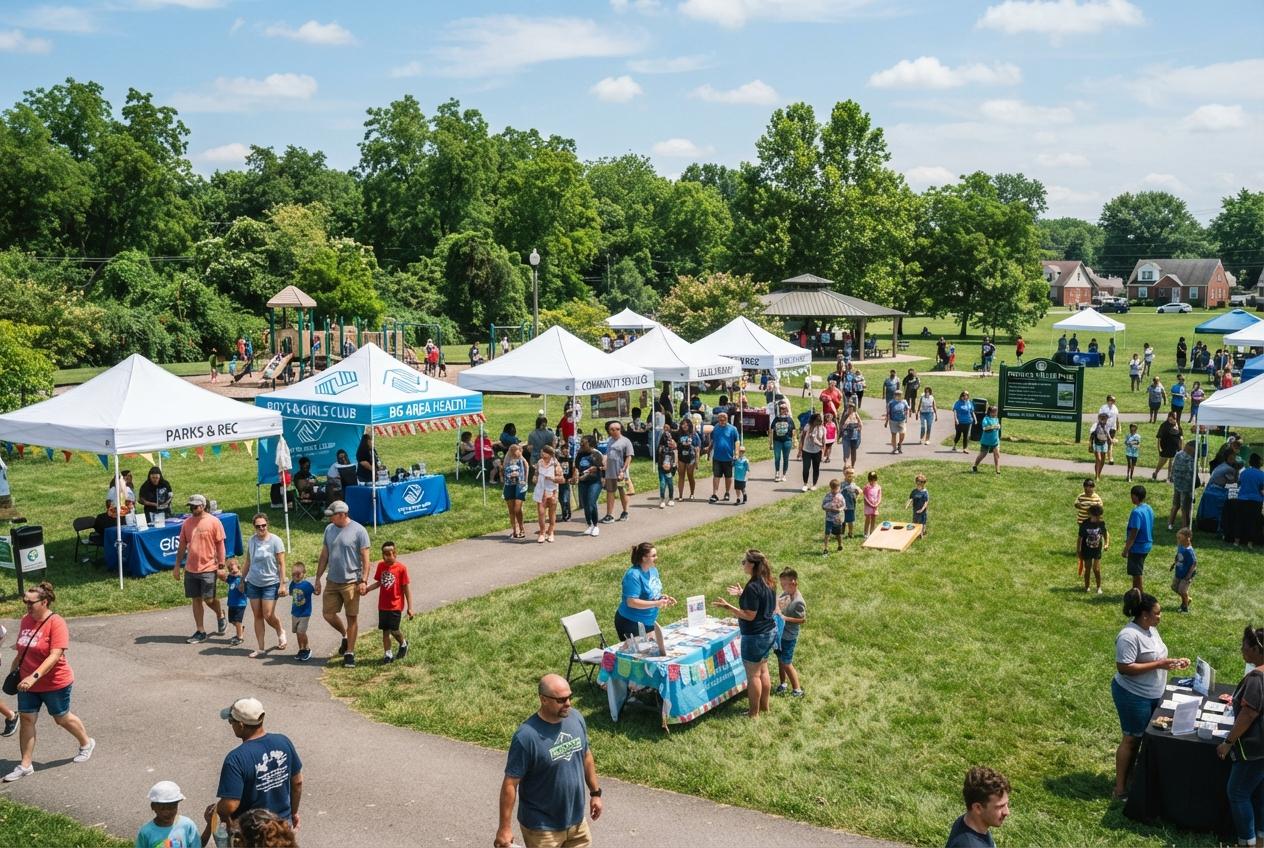
Residents are preparing to gather at Preston Miller Park in Bowling Green, Kentucky, for a free Halloween morning AIDS Walk supporting Matthew 25. The community event combines a gentle stroll with food, family activities and practical resources, while raising awareness and helping fund vital HIV care across the region.
Essential Takeaways
- Free community event: The walk takes place at Preston Miller Park on 31 October.
- Local support matters: Funds help provide medication, healthcare, transport, food and mental health assistance.
- Everyone can join: Participants may walk alone or create a team with friends, relatives or colleagues.
- More than a walk: Resource booths and family-friendly activities will make the morning welcoming and informative.
- A milestone year: Matthew 25 is marking 30 years of supporting people affected by HIV.
Bowling Green's AIDS Walk is back
A community walk may sound simple, but its message carries real weight. Matthew 25 is bringing the Bowling Green AIDS Walk back to Preston Miller Park on Halloween morning, creating a visible show of support for people living with or affected by HIV.
The free event is designed to bring people together without making the morning feel heavy. Alongside the walk, visitors can expect food, information stands and family activities, offering a welcoming atmosphere for newcomers and long-time supporters alike. The event listing also presents the walk as a chance for the wider community to connect around HIV awareness. [3]
Why this event matters after 30 years
Matthew 25 is celebrating three decades of care and support, and the returning walk links that history with the organisation's growing presence in Bowling Green. Rachel Trout, the group's public relations and event specialist, said reviving the event honours an earlier fundraising tradition while bringing it back to the community today.
That history gives the morning a personal dimension. The AIDS Walk was once a regular Matthew 25 fundraiser, so its return isn't simply another date in the local events calendar. It's a reminder that community support has long helped turn compassion into practical assistance. [2]
Where the money goes
Donations raised through the walk will support patient services, including healthcare, medication assistance, transport, mental health support and food help. These are the quiet, everyday needs that can make treatment more manageable, especially when someone is already dealing with the strain of an HIV diagnosis.
Matthew 25 serves 37 counties across Kentucky and south-west Indiana. Organisers say money raised through its events stays in those communities, giving participants a clear sense of where their support goes. The organisation's wider expansion in Bowling Green, including a new HIV care clinic reported by WBKO, also underlines the area's growing need for accessible, joined-up services. [4]
How to take part
People can attend individually or join forces with friends, family members or colleagues. A team can make the event feel more social, but there’s no need to arrive with a large group. Turning up, learning more and standing alongside others are meaningful contributions in themselves.
Before setting off, it’s worth checking Matthew 25's registration information and social media updates for the latest timings and arrangements. Comfortable shoes, a light layer and a little extra time for the resource booths should make the morning easier, particularly if you're bringing children. [3]
A warmer way to talk about HIV
The walk's most important role may be the conversation it encourages. HIV support isn't only about clinical care; it also involves reducing stigma, protecting dignity and reminding people that they don't have to navigate treatment or uncertainty alone.
That makes a public event like this quietly powerful. A park, a few food stands and a shared route might not look revolutionary, but visible support can change how a community talks about HIV. As Matthew 25 expands its local services, the walk offers a human, hopeful way to keep that message moving. [5]
Show up, walk together and help make local HIV support easier to see.
Source Reference Map
Story idea inspired by: [1]
Sources by paragraph: