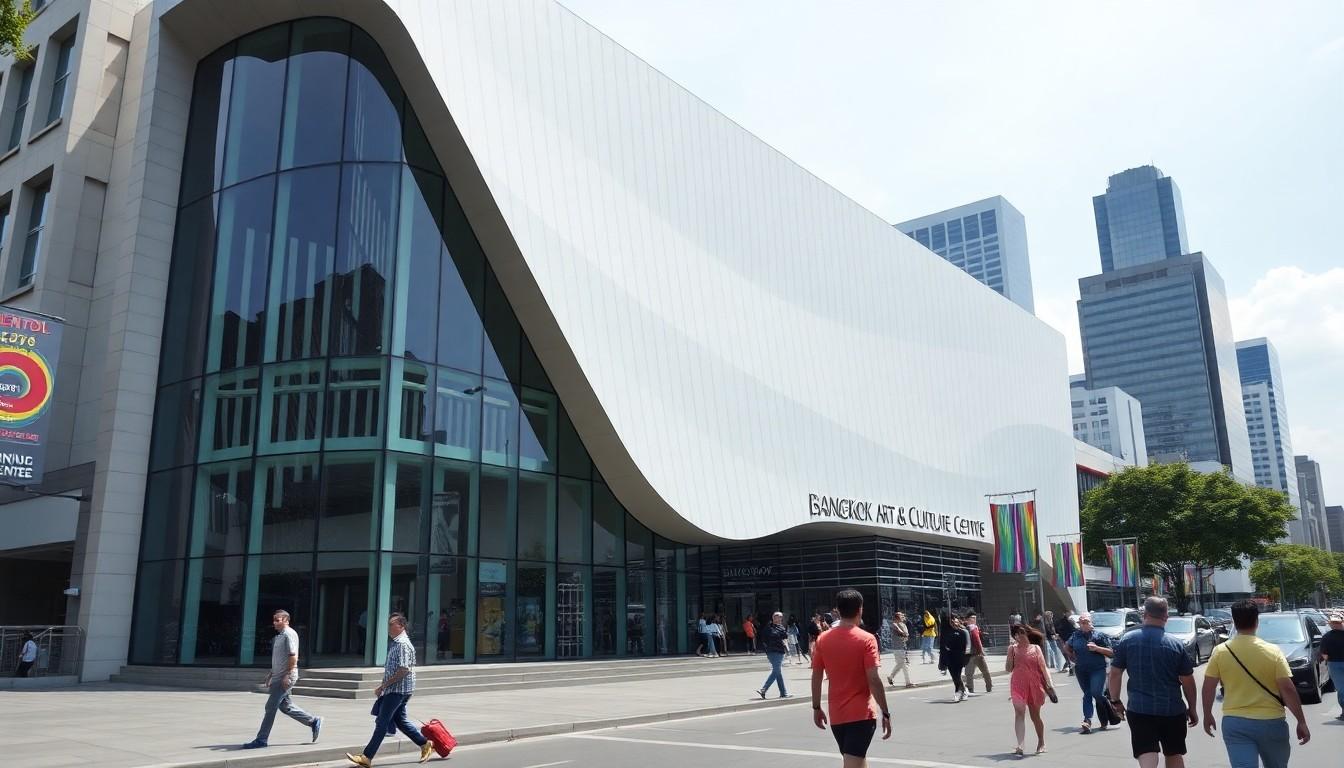
Bangkok is making a high-profile bid to host WorldPride 2030, pitching the Thai capital as a welcoming Asian hub where celebration, human rights and LGBTQ+ visibility meet. With Barcelona also in the running, the campaign is placing local voices, safer spaces and lasting social change at the heart of its case.
Essential Takeaways
- Bangkok is bidding for 2030: The Thai capital is competing with Barcelona to host the global WorldPride event.
- The campaign has a broad base: Government, organisers, businesses, artists and Pride networks are backing the proposal.
- Safety is central: The bid promises spaces where LGBTQ+ people can feel visible, respected and free to be themselves.
- Asia is part of the argument: Organisers say hosting WorldPride in the region would bring greater attention to unequal rights across Asia.
- The ambition goes beyond a parade: Bangkok is presenting the event as a platform for tourism, civic participation and long-term change.
Bangkok wants WorldPride to feel bigger than a party
Bangkok’s proposal arrives with plenty of colour, but its core message is serious. The city wants to host WorldPride 2030 as a major international gathering that combines celebration with conversations about equality, dignity and freedom.
The campaign was launched alongside a bid book and a 100 Voices initiative, bringing together figures from public life, business, media, the arts and human rights. According to Thailand’s public information services, preparations have involved national tourism and convention bodies as well as local partners, suggesting the pitch is being treated as a sizeable destination event rather than a stand-alone festival.
That matters because WorldPride is designed to connect celebration with activism. InterPride describes it as an international platform for LGBTQ+ communities to promote visibility, solidarity and human rights, so a successful bid would place Bangkok in a global conversation far beyond its nightlife scene.
A distinctly Asian case for hosting
The strongest part of Bangkok’s argument may be its location. Organisers say bringing WorldPride to Asia would amplify voices from a region where LGBTQ+ rights and protections remain uneven, even as public visibility grows.
The campaign’s theme, “Until All of Us Are Free”, reflects that wider ambition. It frames the event not simply as a colourful week of concerts and parades, but as a chance to ask what legal progress looks like in everyday life, from family recognition and workplace security to access to safe public spaces.
Bangkok Pride’s own materials present the bid as a regional project with international reach. That gives the proposal an emotional edge: the city isn't only asking visitors to come and celebrate, but inviting them to see Asia as an important centre of LGBTQ+ dialogue.
Why safe spaces are doing the heavy lifting
For travellers, the phrase “safe space” can sound like campaign language until it becomes practical. It means venues, transport routes, accommodation, public events and official services where visitors can expect respect rather than uncertainty.
Bangkok officials have emphasised the need to create an open environment where people can express themselves confidently. Thailand’s government information portal has also highlighted preparations for a potential WorldPride bid, while public-relations updates point to cooperation across tourism and civic organisations.
That joined-up approach will be crucial. A spectacular main event can attract attention, but visitors remember the small details too: whether signs are clear, staff are welcoming, accessibility is considered and complaints are taken seriously. The best WorldPride bid is therefore not just the loudest one. It’s the one that makes inclusion feel ordinary.
What the bid could mean for visitors and the city
If Bangkok wins, the benefits could stretch across hotels, restaurants, cultural venues, transport operators and independent businesses. The city already has the scale and energy to welcome international crowds, while its food, shopping and creative scenes offer plenty of ways to build a broader festival programme.
The Bangkok proposal also appears designed to spread participation beyond the capital. Pride City Network brings together cities and communities across Thailand, helping the campaign present a national story rather than a single-city spectacle.
That could make the experience more interesting for visitors. Instead of spending every day at one headline event, travellers might be encouraged to explore exhibitions, talks, performances and community-led activities. For anyone planning ahead, it's worth watching the official Bangkok Pride channels and InterPride updates rather than relying only on hotel or airline promotions.
Barcelona adds a serious rival
Bangkok isn't bidding in a vacuum. Barcelona is also competing to host WorldPride 2030, giving voters a choice between two major destinations with strong international profiles and established Pride traditions.
Barcelona brings European visibility, mature festival infrastructure and a familiar reputation as an LGBTQ+ travel destination. Bangkok, meanwhile, is making the case for regional representation, cultural exchange and a stronger Asian presence in the global Pride calendar.
The decision will ultimately depend on more than skyline appeal. Organisers will need to show that transport, accommodation, venues, security, accessibility and community participation can work together at scale. As the final selection approaches, the question is simple but demanding: which city can turn a powerful promise into a lasting experience?
Bangkok’s pitch is at its most convincing when it links celebration with real-world change. A successful WorldPride would be memorable, but the more meaningful measure would be what remains after the flags come down.
It's a bold bid, and its biggest promise is that inclusion should be felt long after 2030.
Source Reference Map
Story idea inspired by: [1]
Sources by paragraph:
- Paragraph 1: [3], [6]
- Paragraph 2: [4], [5]
- Paragraph 3: [2], [7]
- Paragraph 4: [3], [6]
- Paragraph 5: [4], [7]
- Paragraph 6: [2], [5]
- Paragraph 7: [3], [6]
- Paragraph 8: [4], [7]
- Paragraph 9: [3], [5]
- Paragraph 10: [2], [4]
- Paragraph 11: [3], [6]
- Paragraph 12: [4], [7]
- Paragraph 13: [2], [5]
- Paragraph 14: [3], [6]
- Paragraph 15: [2], [7]
- Paragraph 16: [4], [5]
- Paragraph 17: [3], [6]
- Paragraph 18: [2], [7]