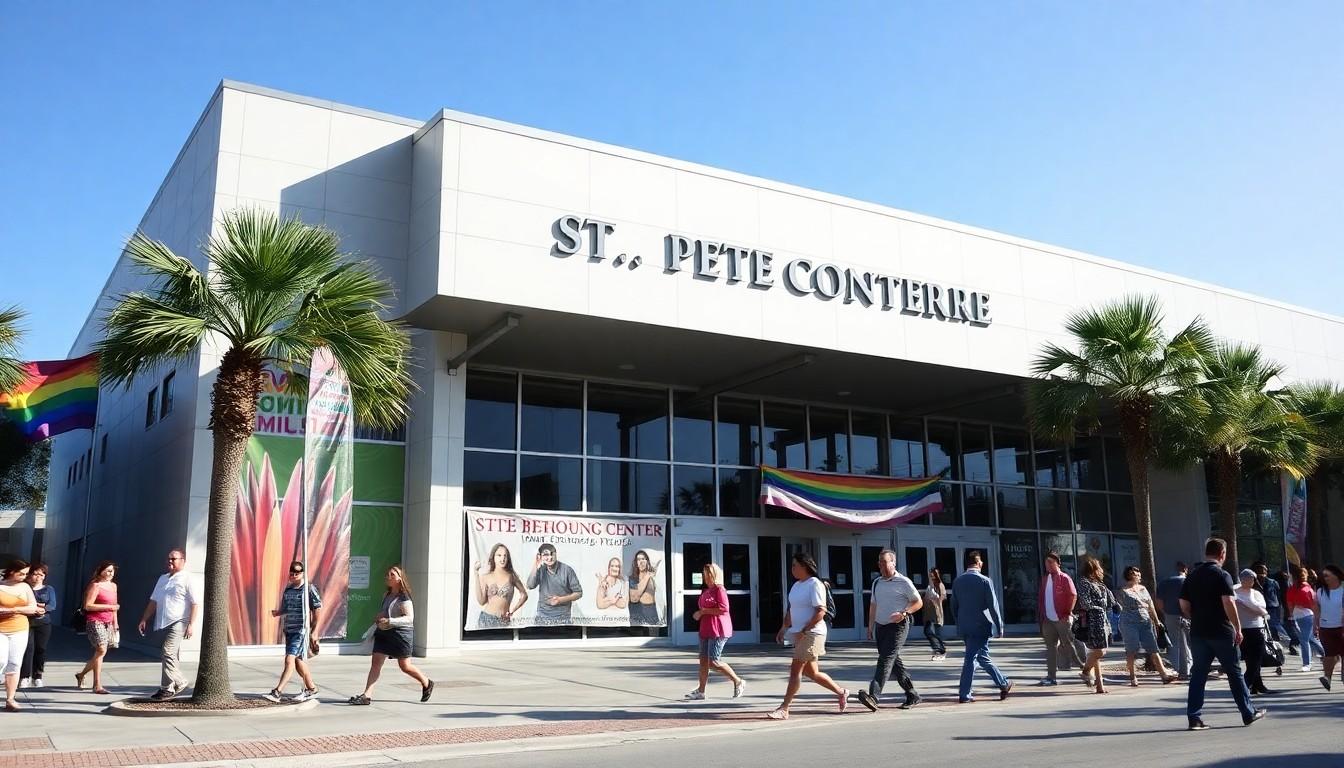
St Pete Pride is asking supporters to help close a $289,000 shortfall after sponsorship losses, higher costs and Florida’s changing political climate put its future under strain. With around 300,000 people attending this year’s Pride Weekend, organisers say small individual donations could help keep one of the state’s biggest LGBTQ+ celebrations alive.
Essential Takeaways
- Fundraising target: St Pete Pride is seeking $289,000 to cover outstanding costs from this year’s event.
- Corporate retreat: Sponsorship income has fallen sharply as businesses reassess public support for LGBTQ+ events.
- Community scale: Around 300,000 people attended this year’s Pride Weekend, according to organisers.
- Matching support: Performer Scott Simon pledged to match up to $25,000 in donations during the appeal.
- Political pressure: Florida legislation has made local-government support for diversity initiatives more uncertain.
A major Pride event is facing an unusually large bill
St Pete Pride's financial appeal is striking because the organisation isn't describing a small seasonal wobble. Leaders say they need $289,000 to settle expenses from this year's celebrations, after sponsorship revenue fell and event costs climbed. Local reporting has highlighted the shortfall as a serious threat to the organisation's ability to continue at its current scale. According to St Pete Pride, the event draws roughly 300,000 people, giving the fundraising drive a distinctly community-wide feel. ([5], [6])
The organisation has been running for 24 years, and its leaders say costs have sometimes carried from one Pride season into the next. That kind of financial pressure can be hard to see from the outside: the parade is bright, busy and seemingly effortless, while the bills arrive quietly afterwards. The official St Pete Pride website is directing supporters towards the organisation's work and fundraising efforts. ([2], [5])
Why corporate sponsorship matters so much
Pride events often rely on a mix of ticket income, grants, donations and corporate partnerships. When one part of that mix weakens, the others have to work much harder, particularly when production, staffing, security and venue costs continue rising. Coverage of St Pete Pride's appeal points to a sharp decline in corporate sponsorship as one of the central reasons for this year's gap. ([5], [6])
That retreat reflects a wider shift in the business landscape. Companies can change leadership, budgets and priorities, but the timing matters when organisations serving LGBTQ+ communities are already facing increased political scrutiny. Equality Florida has warned that new anti-LGBTQ+ measures can create a chilling effect around public support, even beyond the precise wording of a law. ([4])
Small donations could become the new safety net
One of the clearest messages from the appeal is that supporters don't need to make a huge contribution to matter. St Pete Pride has suggested that if a small proportion of this year's attendees gave $25, the target could be within reach. It's a practical calculation, but it also makes the problem feel more personal: a large event can be sustained by many modest acts of support.
A matching pledge from performer Scott Simon adds urgency to the campaign. He has offered to match up to $25,000 in donations and has spoken about the importance of protecting an event that introduced him to Pride. His contribution also underlines a difficult reality for community organisations: when institutional backing becomes less dependable, individuals may be asked to shoulder more of the load. ([5], [6])
Florida's political climate has changed the funding equation
St Pete Pride leaders have linked the sponsorship downturn to a broader atmosphere of anti-LGBTQ+ rhetoric in Florida and across the United States. They also point to Senate Bill 1134, legislation that allows individuals to sue local governments over spending on diversity, equity and inclusion programmes. The ACLU of Florida argued that the measure could strip local authorities of tools for addressing discrimination and exclusion. ([4], [7])
That uncertainty can affect funding even when a law doesn't directly prohibit a Pride event. Councils, public bodies and businesses may become more cautious about appearing to support LGBTQ+ initiatives, wary of complaints, lawsuits or political backlash. Equality Florida has similarly described the broader legislative environment as one that threatens inclusion and public visibility. ([4], [7])
What supporters can do now
For anyone considering a donation, the most straightforward step is to use St Pete Pride's official website and check the current appeal details before giving. Supporters can also share the campaign, encourage local businesses to remain visible allies and attend future events where possible. Those actions won't replace major sponsorship overnight, but they can help diversify the organisation's income.
The longer-term lesson is that Pride celebrations need resilient funding rather than a single dependable source. Corporate support remains valuable, but recurring individual gifts, transparent budgeting and community partnerships may offer a sturdier foundation. As St Pete Pride's appeal shows, the future of a joyful public celebration can depend on fairly unglamorous work behind the scenes.
A small donation won't solve every pressure facing LGBTQ+ organisations, but it can help keep the lights, stages and community spaces in place.
Source Reference Map
Story idea inspired by: [1]
Sources by paragraph: