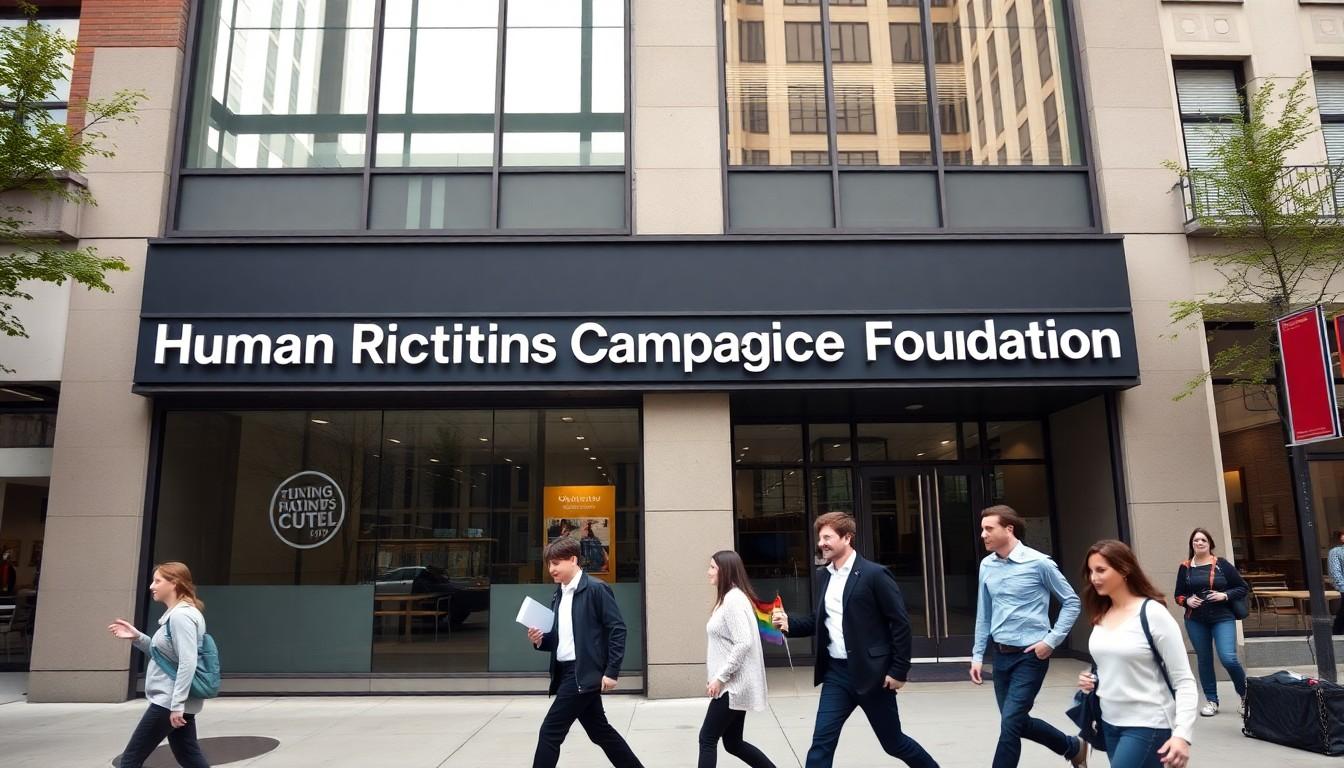
LGBTQ+ adults across the United States are continuing to live openly despite a tougher political climate, with younger people especially likely to embrace visibility. The latest Human Rights Campaign survey suggests anti-LGBTQ+ attacks aren't pushing everyone back into the closet. For many, being seen has become a way to build solidarity, protect community and push back.
Essential Takeaways
- Most respondents remain open: 85% of LGBTQ+ adults said they're somewhat or very open about their identities.
- Visibility is holding firm: 45% said their openness hasn't changed in two years, while 33% said they're more open.
- Younger adults are leading: Younger respondents were more likely than older groups to say they've become more open.
- Community matters: Support for LGBTQ+ people and wider visibility were among the strongest reasons for living openly.
- Openness can feel complicated: More than half said the political climate makes them less likely to be open, even as many continue to do so.
Political pressure hasn't produced the retreat some expected
The headline finding from the Human Rights Campaign's 2026 annual LGBTQ+ community survey is striking: public hostility hasn't translated into a mass return to the closet. Instead, many LGBTQ+ people appear to be treating visibility as a form of collective strength.
According to LGBTQ Nation, 85% of respondents described themselves as somewhat or very open about their identities. That figure sits alongside a more uneasy result, with 56% saying the current political atmosphere makes them less likely to be open. The two findings aren't contradictory so much as revealing the tension many people are navigating.
Being open isn't always a carefree choice. It can mean weighing safety, work, family and local attitudes, then deciding where and when honesty feels possible. Even so, the survey suggests fear hasn't erased the desire to be visible.
Younger LGBTQ+ adults are making openness part of the response
The age divide adds an important layer. HRC's research found that older LGBTQ+ adults were more likely to say their level of openness had stayed broadly the same, while younger adults were more likely to report becoming more open over the past two years.
That may reflect a generation more accustomed to discussing identity publicly, but it also points to a deliberate response to the moment. The Pink Times reported that many LGBTQ+ adults continue to see visibility as important, even while political hostility creates genuine pressure.
There is something quietly powerful about that choice. For younger people in particular, being visible can connect personal identity with community action, rather than leaving those experiences separate.
Why visibility feels like community protection
The survey's most common motivations were practical and deeply human. Respondents said they wanted to support LGBTQ+ people and believed greater visibility benefits the community as a whole, according to the Human Rights Campaign.
That idea turns outness into more than a personal milestone. Seeing LGBTQ+ people at work, in families, in public life and in local communities can challenge the idea that they are marginal or unusual. Numbers matter here too: HRC President Kelley Robinson said there are around 25 million LGBTQ+ people across the country, creating what she described as critical mass in nearly every state.
The effect is cumulative. One person speaking openly may feel exposed, but millions doing so can make visibility feel less like a risk taken alone and more like a shared social presence.
Openness still depends on safety and circumstance
The encouraging figures shouldn't be read as proof that the political climate is harmless. More than half of respondents said it makes them less likely to be open, a reminder that confidence and caution can exist at the same time.
HRC's research on being out during a difficult period highlights that openness isn't a single, fixed category. Someone might be open with friends but careful at work, comfortable at home but guarded in public, or confident in one state and anxious in another. Context changes everything.
For allies, the practical lesson is straightforward: don't assume that a person who is open in one setting feels safe everywhere. Respect privacy, avoid outing anyone and make support visible without demanding disclosure in return.
A more visible future, but not an uncomplicated one
The survey paints a picture of resilience rather than simple optimism. Only 22% of respondents said they were less open than they had been two years earlier, while the larger share had either maintained or increased their openness.
That doesn't mean political attacks have failed to cause harm. They can affect confidence, safety and access to everyday life, even when they don't result in people hiding their identities. But the findings suggest that many LGBTQ+ adults are responding by strengthening community ties instead of disappearing from view.
As the 2026 midterm elections approach, visibility is likely to remain part of the wider conversation. For many people, being seen isn't just about personal pride. It's a reminder that LGBTQ+ lives are already woven through the country, and that community can be a powerful answer to pressure.
Visibility may be difficult, but for many LGBTQ+ adults, it still feels worth choosing.
Source Reference Map
Story idea inspired by: [1]
Sources by paragraph:
- Paragraph 1: [2], [6]
- Paragraph 2: [3], [7]
- Paragraph 3: [4], [5]
- Paragraph 4: [2], [3]
- Paragraph 5: [4], [7]
- Paragraph 6: [2], [5]
- Paragraph 7: [3], [4]
- Paragraph 8: [5], [6]
- Paragraph 9: [2], [7]
- Paragraph 10: [4], [5]
- Paragraph 11: [2], [3]
- Paragraph 12: [5], [6]
- Paragraph 13: [2], [4]
- Paragraph 14: [3], [7]
- Paragraph 15: [2], [5]
- Paragraph 16: [4], [6]