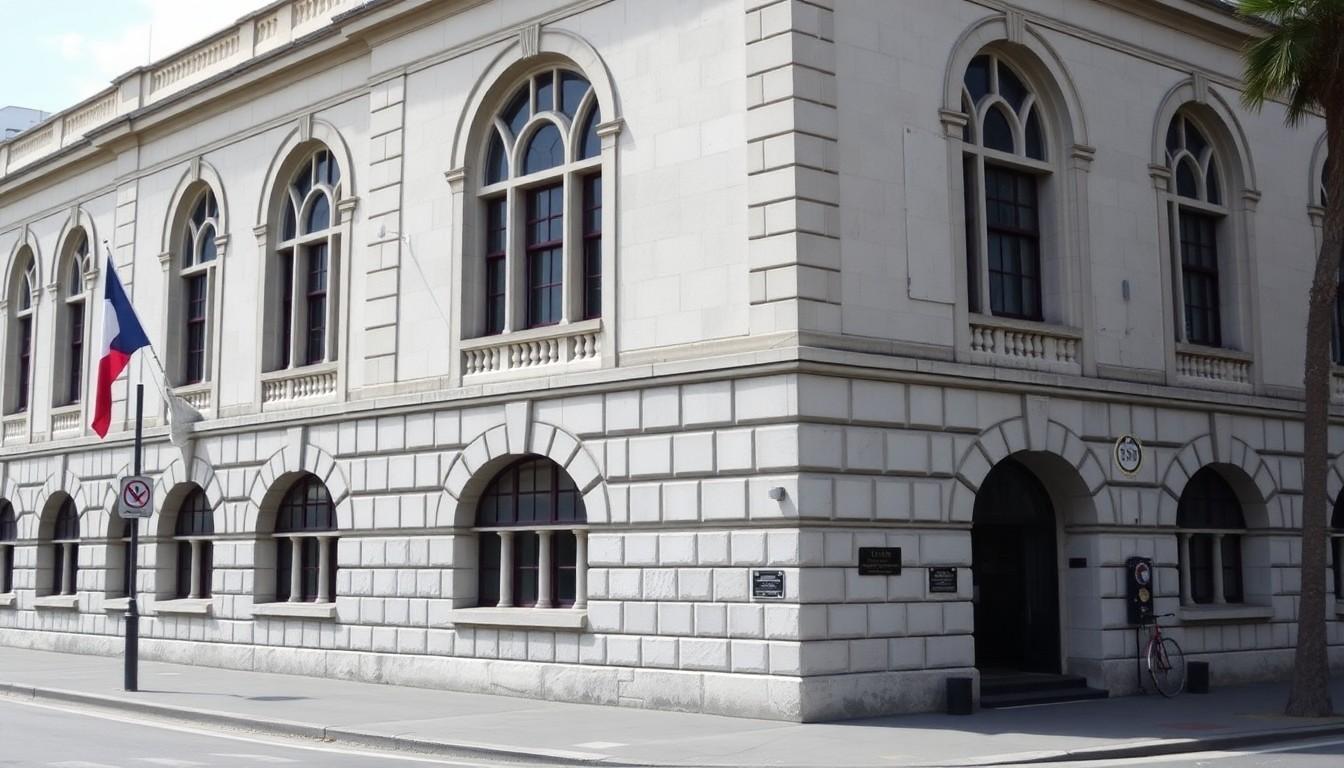
A school flag dispute has grown into a heated public argument between comedian Anton Taylor and Bishops’ Old Diocesan Committee in Cape Town. What began as a disagreement over LGBTQ+ visibility now involves questions about institutional values, free speech, legal threats and whether alumni deserve a formal vote.
Essential Takeaways
- The dispute centres on flags: Bishops has used a rotating third flagpole for causes including LGBTQ+ inclusion.
- The committee wants limits: The Old Diocesan Committee reportedly supports flying only the South African, Bishops and St George’s flags.
- Anton Taylor has spoken out: The former committee vice-chairman has criticised the position and called for an alumni meeting.
- Lawyers are now involved: A cease-and-desist letter allegedly demanded that Taylor remove social media videos.
- The bigger issue is participation: The row has become a test of how schools and alumni bodies handle contested social questions.
A flagpole dispute becomes a much bigger argument
The immediate flashpoint is simple enough: which flags should fly at Bishops Diocesan College? Since 2022, the Cape Town school has used a rotating third flagpole for community causes and social initiatives, including the pride flag.
But flags rarely stay just flags. In this case, the display has become a visible statement about whether the school sees LGBTQ+ inclusion as part of its community values. Supporters view it as a small but meaningful sign of welcome, while critics reportedly fear that social or political flags could suggest institutional backing for disputed positions. (See coverage from IOL and The South African.)
That tension has put the school, its alumni and its governing structures under an uncomfortable spotlight. The pride flag is colourful and unmistakable, but the argument around it is anything but simple.
Why the Old Diocesan Committee wants a change
The Old Diocesan Committee, which represents former pupils, reportedly asked the school council to restrict the flagpoles to three permanent symbols: the South African flag, the Bishops flag and the St George’s flag.
The reasoning, as reported by several outlets, is that an educational institution should avoid appearing to endorse particular social or political causes. That argument reflects a familiar approach among schools and organisations trying to present themselves as neutral.
However, opponents say removing the pride flag would not be neutral in practice. They argue that visibility matters, particularly for pupils and former pupils who want to see LGBTQ+ people recognised as part of the school community. Reports indicate that more than 300 parents, staff members, alumni and supporters backed a statement supporting the flag. (News coverage from Cape Flats and The South African has highlighted the internal divisions.)
Anton Taylor takes the dispute online
Taylor, a comedian and content creator who previously served as the committee’s vice-chairman, has criticised the ODC’s position publicly. He has described it as discriminatory and inconsistent with the values associated with Bishops and the Anglican Church.
His response has gone beyond the flag itself. Taylor has called on committee members to resign and has pushed for a special general meeting where alumni could vote on a motion of no confidence. He has also encouraged current pupils and former pupils to discuss wider issues, including homophobia, racism and historical abuse at elite private schools.
That approach has made the dispute louder, but it has also broadened the conversation. A single flagpole question is now tied to the culture of the school, the responsibilities of alumni organisations and the extent to which public criticism should be tolerated. (IOL and Joburg ETC have both reported on Taylor’s challenge and the resulting controversy.)
The cease-and-desist letter raises the temperature
The argument escalated after the ODC reportedly instructed attorney William Booth to send Taylor a cease-and-desist letter. According to reporting on the dispute, the letter demanded that he remove videos and referred to possible legal consequences, including criminal charges, harassment orders and punitive costs.
Taylor says his lawyers rejected the allegations and characterised the legal action as an abuse of process and a possible strategic lawsuit against public participation, commonly known as a SLAPP claim. That term is important because it describes legal action alleged to be intended not only to resolve a dispute, but also to discourage public criticism.
The legal position remains contested, and the reported claims should not be treated as a court finding. Still, the use of legal correspondence has changed the atmosphere. What started with bright fabric on a school pole now carries the heavier language of defamation, litigation and public participation. (The Citizen and Joburg ETC have covered the cease-and-desist dispute and Taylor’s response.)
Why the call for a special meeting matters
Taylor is continuing to call for the ODC to convene a special general meeting, arguing that alumni should decide the committee’s future through the organisation’s own democratic process.
That demand goes to the heart of the conflict. The question is no longer only whether Bishops should fly a pride flag, but also who has the authority to speak for the school community and how disagreements should be resolved. A meeting would give members a structured forum, although it might not make the underlying disagreement any less emotional.
For schools with strong traditions and active alumni networks, this is a useful warning. Symbols can quickly become tests of belonging, while attempts to control the conversation may simply push it into the open. The next stage will depend on whether the parties choose a formal vote, further legal action or a quieter compromise. (Reports from IOL, Cape Flats and Urania Institute have placed the dispute in that broader institutional context.)
The flag may be small, but the questions it has raised are not.
Source Reference Map
Story idea inspired by: [1]
Sources by paragraph: