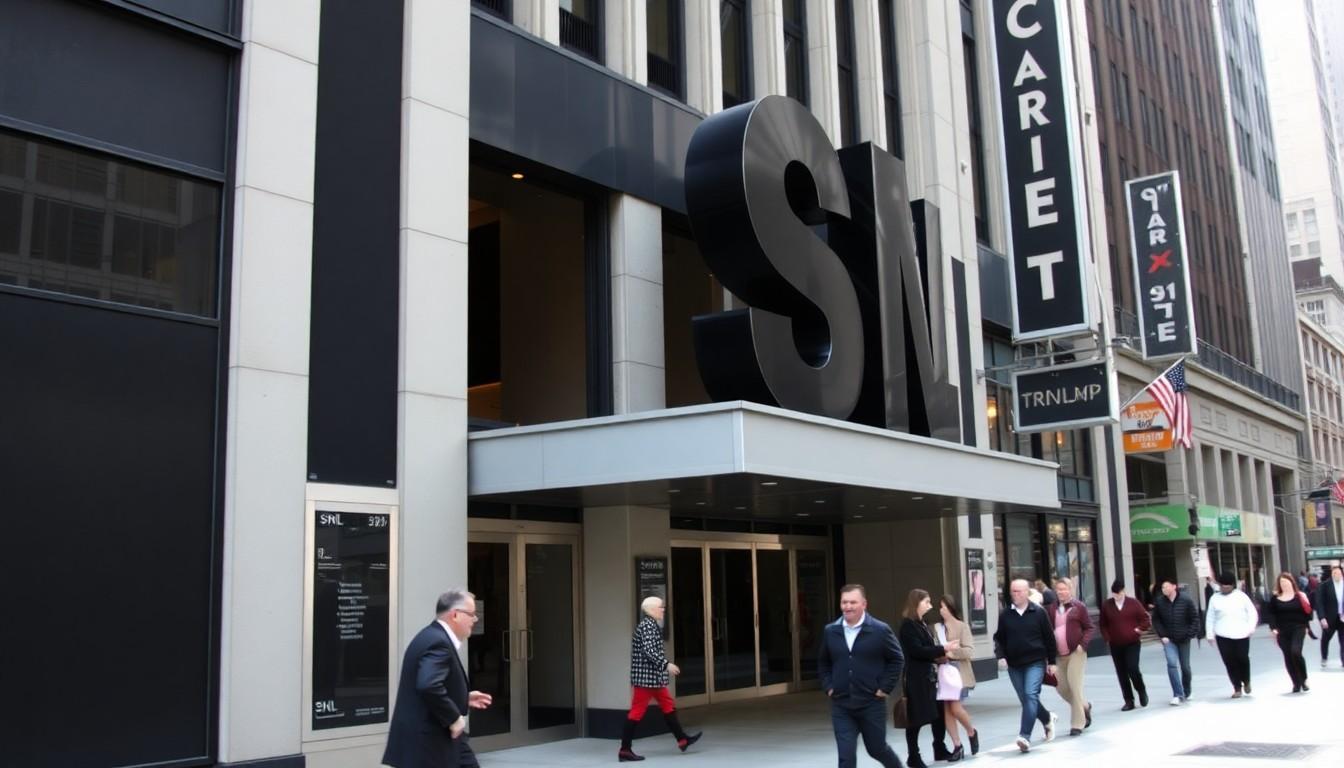
Viewers and performers have pushed back against Shane Gillis’s latest Saturday Night Live monologue, arguing that its jokes about gay people and women relied on tired provocation rather than sharp satire. The reaction matters because it highlights a growing debate over what “edgy” comedy means when audiences are increasingly wary of casual bigotry dressed up as a punchline.
The monologue aimed for shock, but landed flat
The most talked-about moment was Gillis’s line suggesting people are either gay or Hitler. It was designed as a quick jolt, yet critics argued that the gag offered little beyond the old formula of pairing an identity with an extreme insult. According to CNN commentator W. Kamau Bell, the problem was less about taking risks than failing to build a meaningful joke around them. (The Daily Beast)
That distinction matters. Comedy can be abrasive, uncomfortable or deliberately tasteless, but provocation still needs craft. Without a clever reversal or a strong point of view, a taboo reference can feel less like rebellion and more like a shortcut.
Why the jokes about women drew particular criticism
Gillis’s references to women’s gym clothing and “whores” also became flashpoints. Paula Pell, a former SNL writer and performer, criticised the material, with coverage in The Daily Beast highlighting her unusually forceful response to the gym-related joke. (The Daily Beast)
Jenna Bush Hager likewise challenged the monologue’s treatment of women, arguing that the performance crossed from irreverence into misogyny. Her criticism reflects a broader change in audience expectations: viewers may accept comedians being rude, but they’re less willing to applaud jokes that appear to punch down without adding anything fresh. (The Daily Beast)
There’s a weary familiarity to this style of humour. The language may be loud, but the idea underneath it often feels decades old.
Public criticism moved beyond professional comedy circles
The backlash didn’t stay within the entertainment industry. Emily Meade publicly shamed Gillis over the material, while commentators and performers questioned why SNL gave such jokes a prominent live platform. That response suggests the monologue touched a wider cultural nerve, rather than simply triggering the usual online argument about comedy and censorship. (The Daily Beast)
Dan Levy’s intervention was especially notable. The Schitt’s Creek star urged men to speak up when public figures demean women, shifting the conversation away from whether Gillis was “allowed” to make the jokes and towards who is prepared to challenge them. The Daily Beast reported on Levy’s criticism as a direct response to the monologue. (The Daily Beast)
That’s a more substantial conversation than the familiar “you can’t say anything these days” complaint. It asks whether the people with the biggest platforms are willing to take responsibility for the tone they help normalise.
SNL faces a difficult comedy problem
Saturday Night Live has always depended on topical humour, but political and cultural life now often looks like a ready-made parody. When public figures behave in cartoonish ways every day, a sketch can struggle to seem more outrageous than the real news.
That leaves the programme with a tricky choice. It can pursue detailed political satire, which risks feeling familiar, or reach for deliberately offensive comedy in the hope of generating a viral moment. Critics of Gillis’s appearance believe SNL chose the latter and ended up exposing a creative weakness rather than demonstrating fearless writing. The Advocate framed the booking and monologue as evidence of a show losing its comedic direction. (The Advocate)
The danger is that “edgy” becomes a substitute for funny. A joke can be shocking and still be lazy, just as a polite sketch can be brilliantly subversive.
What audiences may want from comedy now
The reactions from Bell, Meade, Pell, Bush Hager and Levy point to a shared appetite for comedy with more intention. That doesn’t mean audiences want every comedian to be safe or sanitised. It means they want the risk to lead somewhere, whether that’s a smart observation, an unexpected perspective or a genuinely inventive punchline. (The Daily Beast)
For SNL, the challenge is particularly visible because its stage carries such cultural weight. Booking a controversial comedian can create attention, but attention alone doesn’t guarantee relevance. If the material feels like recycled culture-war bait, viewers may remember the controversy while forgetting the jokes.
The strongest criticism of Gillis’s appearance wasn’t simply that it offended people. It was that the offence seemed to be the entire point.
It's a small distinction, but it may be the one comedy needs most: shock can open the door, but only a good joke keeps the audience in the room.
Source Reference Map
Story idea inspired by: [1]
Sources by paragraph:
- Paragraph 1: [2], [6]
- Paragraph 2: [2], [4]
- Paragraph 3: [4], [5]
- Paragraph 4: [3], [6]
- Paragraph 5: [6], [1]
- Paragraph 6: [2], [3]
- Paragraph 7: [4], [5]
- Paragraph 8: [1], [2]
- Paragraph 9: [6], [1]
- Paragraph 10: [2], [3]
- Paragraph 11: [4], [5]
- Paragraph 12: [1], [6]
- Paragraph 13: [2], [3]
- Paragraph 14: [4], [5]
- Paragraph 15: [1], [6]