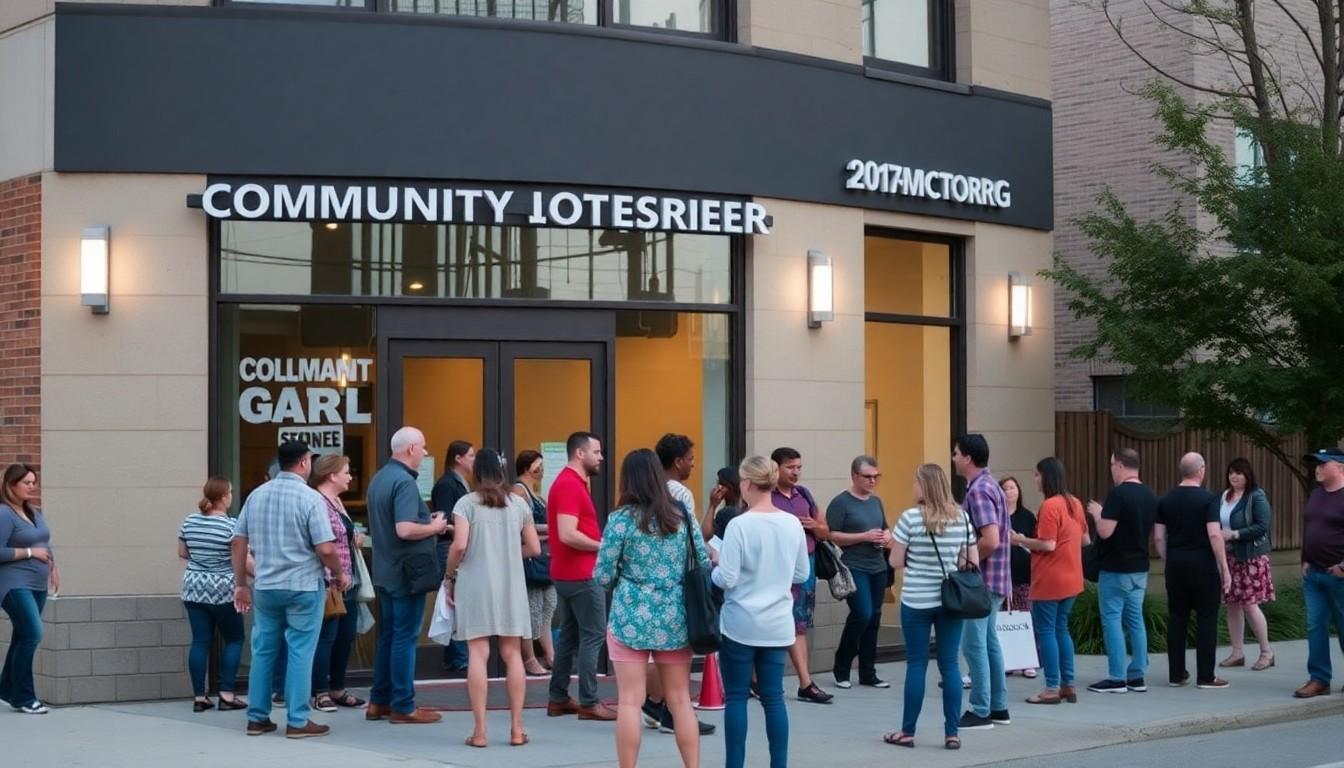
Voters across Missouri are being asked to weigh an abortion ban alongside restrictions on transgender youth healthcare, creating an unusually tangled ballot fight. In St Louis and surrounding communities, LGBTQ+ organisers are taking a longer view, using personal conversations at the doorstep to challenge misinformation and remind neighbours that trans Missourians are part of everyday community life.
Essential Takeaways
- One amendment, two major issues: Amendment 3 combines abortion restrictions with provisions concerning transgender youth healthcare.
- The healthcare ban already exists: Missouri law already prohibits gender-affirming care for minors, making the ballot language especially contentious.
- Deep canvassing goes beyond slogans: PROMO volunteers hold longer, personal conversations rather than relying only on leaflets or campaign adverts.
- The strategy is built for the long term: Organisers say they want to shift public attitudes over years, not simply win one vote.
- Voters are being asked to untangle the wording: Critics argue the amendment could blur separate debates and confuse people at the ballot box.
A ballot measure with an unusual combination
The most striking feature of Missouri Amendment 3 is its combination of abortion restrictions and transgender healthcare provisions. That pairing has made the campaign harder to read, particularly because supporters have tended to highlight the trans healthcare language while opponents have concentrated on abortion rights.
Reporting by the Missouri Independent and KCUR described the amendment as part of a wider abortion-rights campaign, with the Stop the Ban coalition urging voters to reject it. Meanwhile, the measure's wording has fuelled arguments over whether voters are being asked to decide two distinct questions in one package.
That matters because the transgender healthcare section isn't simply introducing a new debate. Missouri already has restrictions on gender-affirming care for minors, so opponents say the language risks presenting an existing policy as though it were the central new consequence of a yes vote.
Why the wording is causing confusion
The question of whether Amendment 3 would newly legalise or prohibit transgender healthcare has circulated widely online and in political messaging. A PolitiFact explainer found that the issue required careful reading, because the amendment's provisions sit alongside existing state restrictions and don't fit neatly into the claims made by campaigners on either side.
The result is a ballot fight where a simple slogan can conceal a much messier legal picture. One side can talk about protecting children, while the other warns about abortion access, yet neither message necessarily gives voters the full context.
For anyone trying to understand the proposal, the practical rule is simple: read the official ballot summary and compare it with more than one independent explanation. Campaign adverts are designed to persuade, not provide a neutral tour of the small print.
PROMO is taking the conversation to the doorstep
PROMO, Missouri's largest LGBTQ+ rights organisation, has chosen a more personal route. Its canvassers visit voters in cities including St Louis, aiming to discuss transgender people as neighbours, colleagues and family members rather than as an abstract political topic.
The organisation has joined the broader effort against Amendment 3, as its own announcement confirms, but its doorstep work is also intended to last beyond this election. Volunteers are trained to have slower, more open conversations, often asking voters about their own experiences before sharing personal stories.
That approach is known as deep canvassing. It was used prominently in earlier LGBTQ+ campaigns, including the fight for marriage equality, and it relies on empathy rather than a rapid exchange of talking points. It's less dramatic than a television advert, but a quiet conversation on a front step can linger.
Can personal stories shift opinion?
PROMO's organisers believe they can. Instead of treating uncertain voters as opponents to be defeated, canvassers try to understand what sits behind their concerns, whether that's fear, unfamiliarity or frustration with politicians.
The method can be demanding. Door-knocking brings plenty of unanswered knocks and short conversations, while a longer discussion can leave volunteers emotionally drained. Community events organised with groups such as the Unitarian Universalist Church of Columbia and Intact Canvass show how the campaign has been supported through local organising as well as formal political activity.
Research and campaign experience suggest that people often remember a personal encounter more vividly than a slogan. A voter may forget the wording on a billboard, but remember the name and story of the person who stood on their doorstep.
The bigger fight continues after the vote
Even if Amendment 3 fails, the dispute over transgender youth healthcare won't disappear. Missouri's existing restrictions remain, and LGBTQ+ advocates say the wider challenge is changing how voters understand trans people and the policies affecting them.
That helps explain PROMO's five- to ten-year outlook. The group isn't only trying to influence one ballot decision; it's building organisers, relationships and familiarity in communities where transgender issues can otherwise be discussed only through national political conflict.
The amendment's eventual result will provide a clear electoral answer, but it won't settle the human debate behind it. For organisers, the work continues one conversation at a time.
Read the ballot language carefully, check independent reporting, and remember that one campaign slogan rarely explains an entire amendment.
Source Reference Map
Story idea inspired by: [1]
Sources by paragraph: