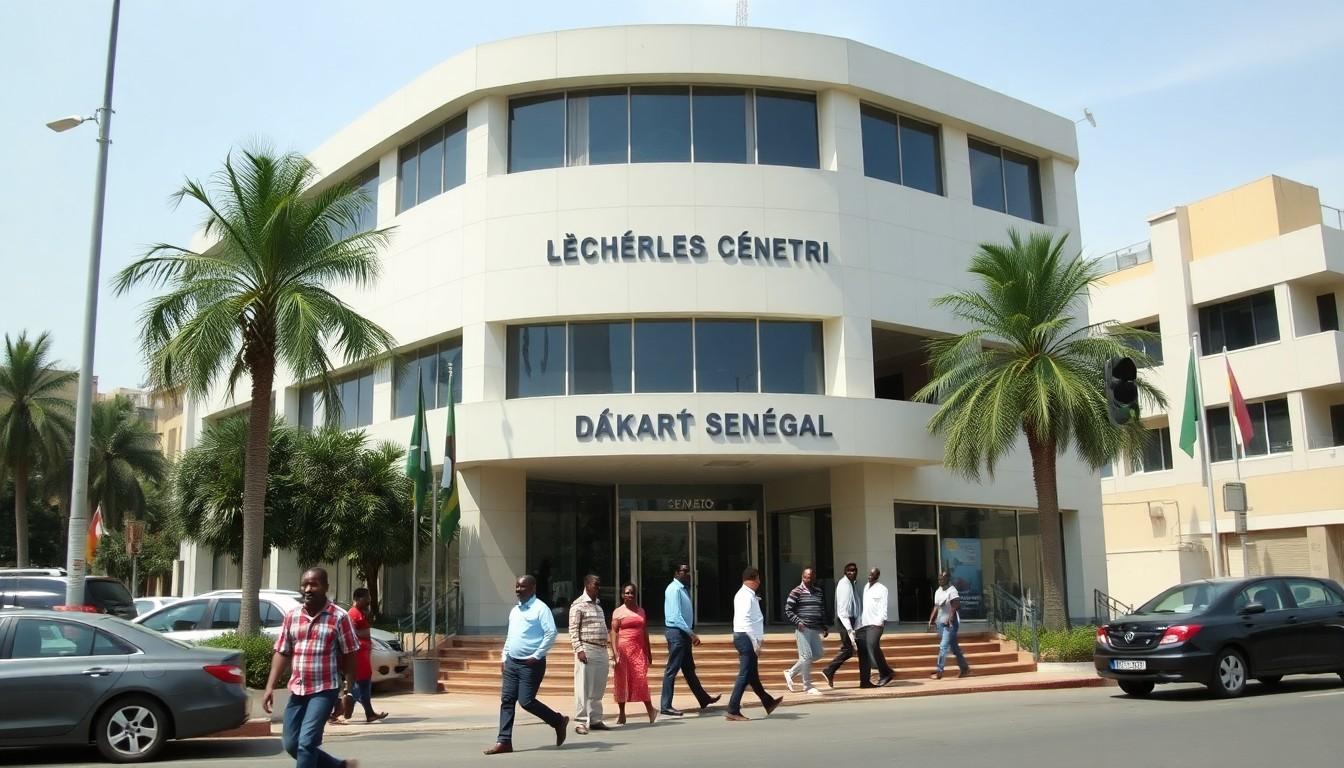
Activists are urging Senegal to end its LGBTQ+ crackdown before Dakar welcomes nearly 3,000 young athletes for the Youth Olympic Games. With tougher penalties, mass arrests and international scrutiny mounting, the event has become a test of whether sporting promises of inclusion can coexist with worsening human rights concerns.
Essential Takeaways
- The event: Dakar is due to host the Summer Youth Olympic Games from 31 October to 13 November.
- Tougher penalties: Amendments to Article 319 reportedly increased the maximum prison term for same-sex acts to 10 years.
- Growing arrests: Rights groups have recorded more than 200 arrests, while other reporting puts the figure above 300.
- International concern: Human Rights Watch says the crackdown raises questions about Senegal's obligations under international law and the Olympic Charter.
- A tense backdrop: Activists fear the global spotlight could increase stigma and risk for LGBTQ+ people rather than improve protection.
Dakar prepares for a global sporting spotlight
Dakar is preparing to welcome a major international audience, with young competitors, officials and visitors arriving for the fourth Summer Youth Olympic Games. The city will be full of colour, ceremony and sporting ambition, but a darker issue is already shaping the conversation around the event.
Nearly 3,000 athletes are expected to take part between 31 October and 13 November. As the preparations gather pace, LGBTQ+ and human rights organisations are asking whether the Games' language of diversity and inclusion can ring true while people in Senegal face arrest because of their identity or alleged relationships.
The concern isn't simply reputational. According to Jurist, campaigners believe the crackdown could conflict with international human rights standards and the principles associated with the Olympic movement. That makes the Games more than a sporting fixture: they're becoming a public test of Senegal's treatment of minorities.
Senegal's amended law has sharpened the stakes
The legal pressure centres on Article 319 of Senegal's penal code. The amendment reportedly doubled the maximum sentence for same-sex acts from five years to 10, while introducing prison terms of between three and seven years for the alleged promotion or financing of homosexuality.
That broader wording has alarmed advocacy groups because it may affect not only individuals accused of same-sex conduct, but also organisations and people providing support. Front Line Defenders has highlighted the wider risks faced by human rights defenders working in hostile legal and political environments.
The first reported conviction under the amended law came in April, when a 24-year-old man was sentenced to six years in prison and fined around 3,300 dollars. The case offered a stark indication of how quickly a legal change can move from the statute book into everyday fear.
Arrest figures vary, but the pressure is clear
There isn't one universally accepted count of those detained. Data gathered by RADDHO recorded at least 212 arrests linked to Article 319, while reporting cited by Outsports put the total above 300. Another concern involves allegations of "voluntary HIV transmission", with dozens reportedly charged under that offence.
The differing totals don't make the underlying picture less serious. They show how difficult it can be to track arrests in a climate where people may avoid lawyers, journalists or support groups. For LGBTQ+ people, even routine activities can suddenly carry a frightening legal risk.
Human Rights Watch researcher Larissa Kojoué said the crackdown was forcing LGBTQ+ people to restrict normal activities and hide their rights out of fear of arrest and greater stigma, according to Jurist. It's a reminder that repression is measured not only in convictions, but also in the quiet choices people make to stay safe.
Why the Youth Olympics have become a flashpoint
International sporting events often promise connection across borders. That promise is especially visible at a youth competition, where the emphasis is supposed to be on opportunity, friendship and fair play rather than political division.
But the timing has made Senegal's record impossible to ignore. The Games will draw international media, sporting bodies and government representatives into Dakar just as activists are calling for an end to mass arrests. The contrast is uncomfortable: a polished celebration of inclusion on the field, alongside fear and exclusion beyond it.
The Associated Press has also helped place the upcoming event in the wider context of Senegal's political and social debate. For campaigners, the global audience is an opportunity to press officials for change. For LGBTQ+ people in Senegal, however, extra attention may feel risky unless meaningful protections arrive with it.
What organisers and visitors should watch next
The most important question is whether Senegalese authorities respond to international pressure before the Games begin. Activists are calling for arrests to stop, rights to be respected and the country to align its domestic actions with international commitments.
Visitors should also remember that legal and social conditions can differ sharply from the welcoming image presented at a global event. Anyone travelling to Dakar should check current official travel advice, avoid publicly exposing local LGBTQ+ people, and seek guidance from reputable rights organisations rather than relying on assumptions formed during the Games.
Sport can create a powerful sense of belonging, but it can't substitute for legal protection. As the opening ceremony approaches, the hope is that the attention brought by the Youth Olympics will help make Senegal safer and freer, not simply better at hiding the pressure faced by its LGBTQ+ community.
The real measure of inclusion will be what happens beyond the stadium gates.
Source Reference Map
Story idea inspired by: [1]
Sources by paragraph:
- Paragraph 1: [2], [4]
- Paragraph 2: [6], [7]
- Paragraph 3: [4], [5]
- Paragraph 4: [3], [5]
- Paragraph 5: [4], [6]
- Paragraph 6: [6], [7]
- Paragraph 7: [4], [5]
- Paragraph 8: [2], [4]
- Paragraph 9: [6], [7]
- Paragraph 10: [4], [5]
- Paragraph 11: [2], [6]
- Paragraph 12: [4], [7]
- Paragraph 13: [5], [6]
- Paragraph 14: [2], [4]
- Paragraph 15: [5], [7]