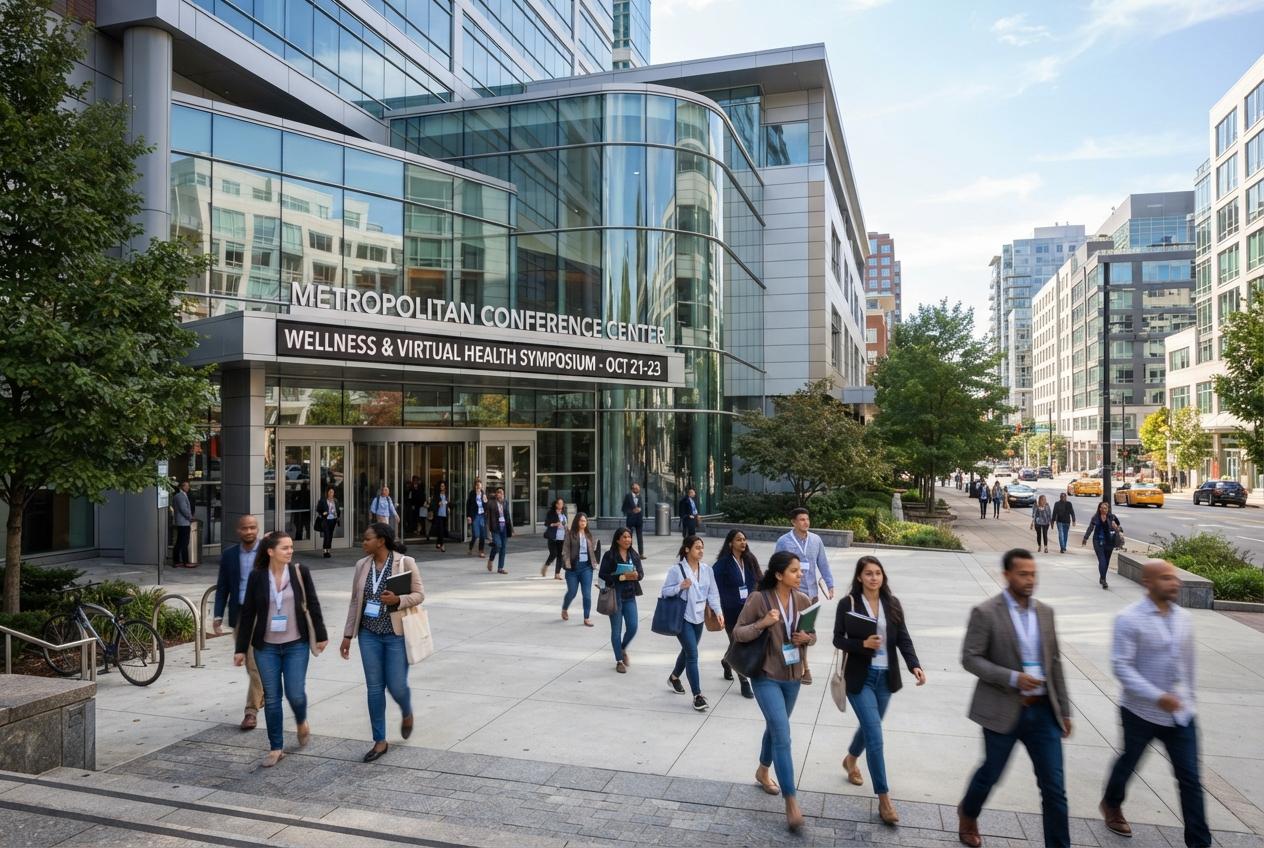
Organisers are bringing Pittsburgh's TransPride YOUniting Health & Wellness Conference online for three days from 15 October 2026, giving trans and gender-diverse people, professionals and allies a welcoming space to learn about care, identity and community wellbeing.
Essential Takeaways
- Three days online: The 2026 conference will run virtually through Whova, making sessions accessible beyond Pittsburgh.
- More than 60 workshops: The programme covers education, practical skills, community care and professional learning.
- Key health themes: Speakers will discuss gender-affirming care, medical data ethics and advance directives.
- A community-rooted event: TransPride grew from a grassroots Pittsburgh gathering into a major trans and non-binary-focused programme.
- Registration remains open: Attendees can still sign up through TransPride PGH.
A small Pittsburgh gathering grew into something much bigger
What began with a picnic in late 2010 has developed into a substantial online conference for trans and gender-diverse communities. The early organisers wanted to create more spaces centred on trans and non-binary people, and the project soon expanded into showcases, workshops and community events.
That history gives the conference a different feel from a conventional professional summit. It isn't simply a timetable of panels and presentations. There's a strong sense of people building something together, with education sitting alongside affirmation, creativity and connection.
The TransPride PGH website presents the organisation as a continuing community effort, while event listings describe the 2026 conference as a Pittsburgh-rooted programme with a broader reach.
What can attendees expect from the 2026 conference?
The headline programme focuses on issues that are both practical and deeply personal. Keynote conversations will cover gender-affirming care, the treatment of trans identity in medical data systems and advance directives for older trans people.
That last subject is particularly important. Planning for future healthcare and end-of-life decisions can feel distant or uncomfortable, but clear documentation can help protect a person's wishes, identity and autonomy when they may not be able to speak for themselves.
The programme also looks beyond clinical care. Organisers highlight community care, belonging, and paramedical and cosmetic tattooing as creative routes towards trans wellbeing. It makes for a broad definition of health, one that includes confidence, visibility and the feeling of being properly understood.
Why an online format matters
A virtual conference can remove several barriers at once. People who can't travel to Pittsburgh, who need to manage health concerns, or who live far from trans-affirming services can take part from home, perhaps with a cup of tea within easy reach.
It also opens the door to speakers and attendees from across the United States and beyond. The conference's online setting means its conversations aren't limited by the size of a local venue, which is useful for a community spread across different regions and support networks.
For first-time attendees, the virtual format may feel less intimidating too. Checking the schedule, choosing a session and stepping away when needed can be easier online, especially for anyone unsure about entering a large in-person event.
How professionals and allies can use the programme
The conference is designed for community members, but it also speaks directly to professionals who work with trans and gender-diverse people. Workshops can offer a practical way to improve knowledge, question assumptions and understand where everyday systems may fall short.
That matters in settings such as healthcare, social services, education and community support. Better intentions are helpful, but they don't replace informed practice. Sessions on medical records, gender-affirming care and autonomy address the details that can shape a person's experience long after a policy has been written.
Allies may find the programme most useful when they arrive ready to listen rather than lead. The strongest contribution is often simple: learn the language, understand the issues and take that knowledge into workplaces, families and local organisations.
A conference shaped by resilience and connection
The 2026 event arrives at a tense moment for trans communities, with organisers pointing to growing pressure around gender, resources and support. Against that backdrop, gathering for education and care becomes more than a conference activity. It's a way to maintain relationships and keep community knowledge moving.
The tone is serious, but it isn't bleak. A programme that combines evidence-based discussion with celebration, creative work and connection suggests a community refusing to be reduced to the challenges it faces.
Registration is still available for the three-day virtual event, which begins on 15 October 2026 through Whova. For anyone looking for trans-affirming health information, professional learning or a stronger sense of connection, it could be a worthwhile place to start.
Learn, connect and make space for care.
Source Reference Map
Story idea inspired by: [1]
Sources by paragraph:
- Paragraph 1: [2], [4]
- Paragraph 2: [3], [5]
- Paragraph 3: [6], [7]
- Paragraph 4: [2], [4]
- Paragraph 5: [5], [7]
- Paragraph 6: [2], [3]
- Paragraph 7: [4], [6]
- Paragraph 8: [2], [5]
- Paragraph 9: [3], [7]
- Paragraph 10: [2], [4]
- Paragraph 11: [5], [6]
- Paragraph 12: [3], [7]
- Paragraph 13: [2], [4]
- Paragraph 14: [5], [7]
- Paragraph 15: [2], [3]
- Paragraph 16: [4], [6]
- Paragraph 17: [2], [5]
- Paragraph 18: [3], [7]
- Paragraph 19: [2], [4]
- Paragraph 20: [5], [6]
- Paragraph 21: [2], [7]
- Paragraph 22: [3], [4]
- Paragraph 23: [2], [5]