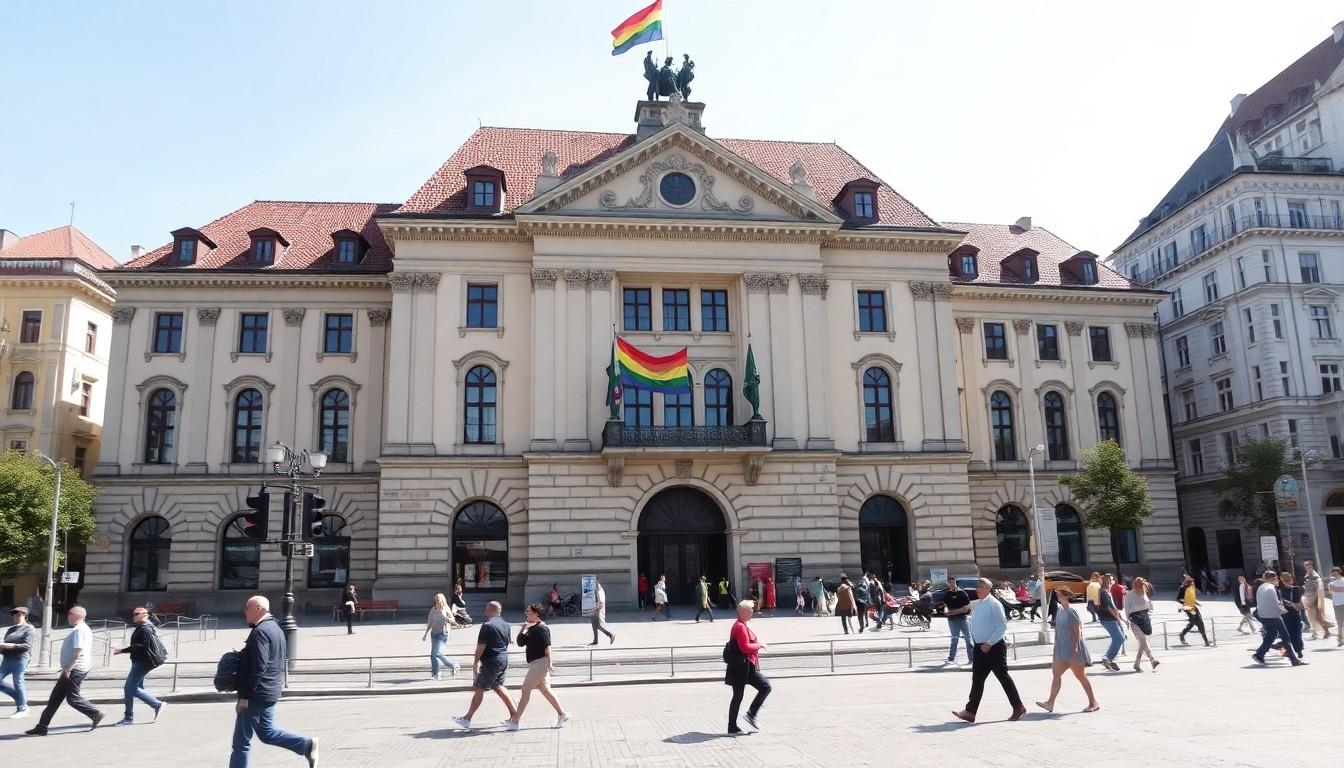
Krakow's newly elected mayor has withdrawn city hall's official patronage of the annual LGBT+ equality march, saying the event has become too political. The decision doesn't stop the march, which attracts thousands each May, but it marks a notable shift in how Poland's second-largest city presents its approach to inclusion and civic neutrality.
Essential Takeaways
- The march will continue: Removing official patronage doesn't prevent organisers from holding the event.
- A change in tone: Mayor Lukasz Gibala says city hall should avoid backing events he considers partisan.
- A sizeable tradition: Krakow's equality march began in 2004 and draws thousands of people.
- Rights policy remains mixed: Gibala says he supports following current law on registering same-sex marriages conducted abroad.
- The decision has political weight: It reverses a recent trend of increasingly visible mayoral support.
Krakow's march loses official backing
The biggest change is symbolic rather than logistical. Krakow's LGBT+ equality march can still go ahead, but it will no longer carry the formal patronage of the mayor's office, according to Notes from Poland.
That distinction matters in a city where official recognition has become part of the event's public profile. Patronage can signal institutional support, even when it doesn't involve direct funding or control. Removing it sends a very different message, particularly to participants who have come to see the march as part of Krakow's civic life.
The event has taken place since 2004 and usually brings thousands onto the city's streets in May. It has become a regular fixture in Poland's debate over LGBT+ rights, making the mayor's decision hard to read as a routine administrative change. (Sources: Notes from Poland; Krakow Equality March background information.)
Why the new mayor says he stepped back
Gibala has argued that the march now has a partisan character. Speaking to Radio Krakow after his election, he said he wanted to avoid sponsoring events connected, in his view, with particular political parties.
His comments appear to reflect a wider promise to make city hall less politically aligned. Gibala stood as an independent and has presented himself as a mayor focused on separating local administration from party politics. That may appeal to voters tired of political branding, although critics are likely to ask whether withdrawing support from a rights march is itself a political act.
The mayor has attended equality marches before and says he doesn't regret doing so. He has also previously supported same-sex civil partnerships while serving in parliament, suggesting that the new position is less a rejection of LGBT+ rights than a change in how he believes the city should participate. (Sources: Notes from Poland; PCh24; Prawica Polska.)
A sharp reversal after growing visibility
Krakow's previous mayors had gradually made the city's relationship with the march more visible. Jacek Majchrowski became an honorary patron in 2021, while Aleksander Miszalski went further by attending the event in person in 2024 and describing Krakow as a home for everyone.
Gibala's announcement therefore represents a clear change in direction. The march isn't disappearing, but the mayor's office is stepping away from the public association that had been building over recent years. For organisers and supporters, that could feel like a loss of recognition even if the practical arrangements remain unchanged.
The contrast also shows how quickly local symbolism can shift after an election. A city may retain its laws, services and public spaces, yet a new mayor can alter the tone with one decision about a parade or civic event. (Sources: Notes from Poland; Krakow Equality March background information.)
What about same-sex marriages from abroad?
Gibala has drawn a line between public patronage and legal administration. He says he would continue allowing foreign same-sex marriages to be entered in Poland's civil registry where current rules require it, describing that position as a matter of respecting the law.
That issue has become increasingly important because Poland still doesn't recognise same-sex unions formed under domestic law. However, following a European Union court ruling and subsequent government action, local authorities have begun registering marriages performed abroad. Figures supplied to the Polish Press Agency showed that 516 such marriages had been registered nationwide, including 46 in Krakow.
For couples, this distinction is more than political theatre. A march is a public expression of equality, while registry recognition can affect paperwork and access to practical rights. Gibala's stance suggests that his administration may support legal compliance while keeping a lower public profile on LGBT+ activism. (Sources: Notes from Poland; PCh24.)
What happens next?
The immediate effect is likely to be felt most strongly in the march's atmosphere and public messaging. Organisers can still plan the route and event, but without city hall's patronage they may need to rely more heavily on community organisations, sponsors and supporters.
The decision also leaves a complicated impression. Krakow's mayor is signalling neutrality on one hand, while making a very visible choice on the other. That tension will probably follow the event into next year's campaign, especially in a country where local government is often at the frontline of social and cultural debates.
For attendees, the practical message is simple: the march is still expected to take place. The political meaning around it, however, has changed. (Sources: Notes from Poland; Prawica Polska; Osiem Trzy.)
It's a small administrative decision with a much bigger public echo.
Source Reference Map
Story idea inspired by: [1]
Sources by paragraph: