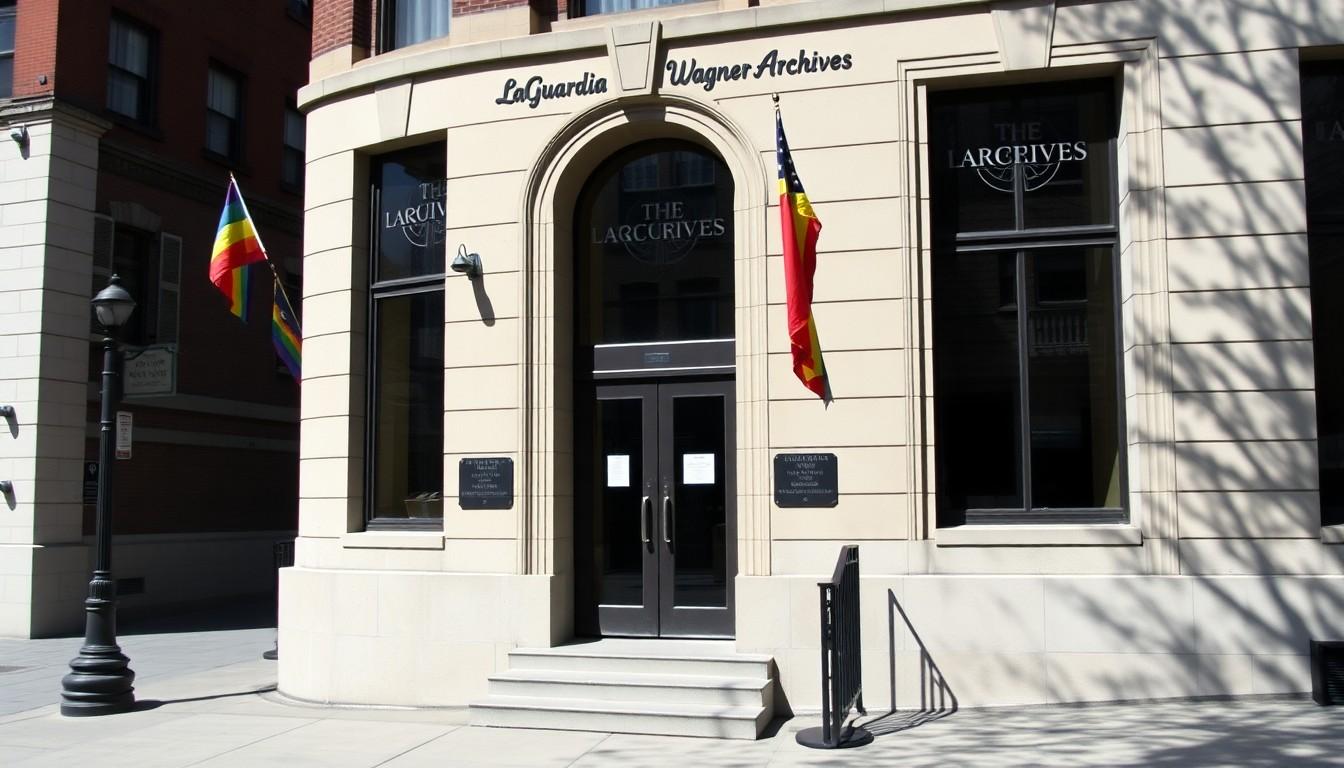
Visitors are turning to a powerful digital exhibition about New York City’s AIDS crisis, finding first-hand testimony, political history and community stories in one accessible place. Created by the LaGuardia and Wagner Archives, the resource matters because it shows how stigma, official inaction and grassroots care shaped the years from 1981 to 1996.
Essential Takeaways
- A richly organised archive: The exhibition explores themes including stigma, discrimination and community care.
- Personal testimony leads the story: Seventeen oral histories bring fear, grief and activism into sharp focus.
- Politics sits alongside lived experience: Materials examine officials, institutions and the decisions that shaped New York’s response.
- A useful teaching resource: The archive is designed to support educators as well as general visitors.
- Journalism gets a closer look: Historical reporting reveals both damaging myths and important investigations.
A digital exhibition that makes history feel close
The strongest feature of the AIDS crisis exhibition is its intimacy. Rather than presenting the epidemic as a distant sequence of dates and policies, it places visitors alongside people who lived through diagnosis, bereavement, rejection and activism.
That approach gives the archive a quiet force. A formal document may explain institutional failure, but a spoken memory can show what that failure felt like in a dentist’s surgery, a funeral home or a family home. According to the LaGuardia and Wagner Archives, its collections are built to preserve the experiences and records that shaped New York’s social history.
The result is unusually easy to navigate, yet it doesn't flatten a painful subject into a neat lesson. The past remains complicated, angry and deeply human.
Why the personal stories matter
The exhibition’s oral histories are its emotional centre. Speakers describe the loneliness of an HIV diagnosis, the discrimination that followed and the practical obstacles that made ordinary care frighteningly difficult.
One account recalls HIV-positive people struggling to find dentists willing to treat them. Other testimony explores how funeral services were refused or disrupted, adding another layer of indignity to families already dealing with loss. These details are difficult to read, but they explain the crisis more vividly than statistics alone.
A particularly affecting thread concerns Joe Pressley, who remembered being a young, closeted Black gay teenager hearing condemnation from the pulpit. His story shows how public stigma could enter private life, turning a place that should have offered comfort into a source of fear.
New York politics, policy and protest
The exhibition also asks why institutions responded so poorly, and who was forced to fill the gap. Its research draws on political archives, including material connected with former mayor Ed Koch and former council member Tom Duane, whose public life became closely associated with HIV/AIDS activism.
That political backdrop matters because the crisis wasn't simply a medical emergency. It was also a test of leadership, public communication and basic compassion. Activists created organisations, demanded research and care, and challenged officials while people were dying.
The Roosevelt House event listing describes the exhibition as a project focused on New York City during the 1981 to 1996 AIDS crisis, reinforcing its value as both a historical record and a public conversation. The uncomfortable lesson is that policy decisions are never abstract when people are being denied treatment, housing or dignity.
The media record is revealing, too
News coverage from the period forms another important strand. Some reporting helped expose institutional failures, while other stories amplified fear and misinformation. That contrast makes the archive especially useful for anyone interested in the relationship between journalism and public health.
A report on homeless young people living with HIV stands out for its careful attention to housing, bureaucracy and family rejection. Instead of treating vulnerable teenagers as a spectacle, it follows the systems that failed them. That kind of reporting feels particularly valuable after years in which sensationalism often crowded out accuracy.
NY1's current coverage also points to the continuing importance of revisiting AIDS activism in New York. Looking back isn't nostalgia here; it's a way to understand how media choices can either deepen panic or help the public see people clearly.
A valuable resource for classrooms and curious visitors
Teachers will find plenty to use, from political records and news clips to oral histories that open up discussion about discrimination, citizenship and community organising. The archive's education programmes also underline its potential beyond a single online visit.
For general readers, the best way in is to take it slowly. Start with one theme, listen to an oral history, then follow the related documents. The material is substantial, and giving each story room makes the connections between private pain and public policy easier to grasp.
The exhibition also offers a reminder for the present. When institutions hesitate, communities often step forward first, but that resilience shouldn't be mistaken for a substitute for government responsibility. History is most useful when it leaves us more alert, not merely better informed.
The exhibition turns a painful chapter into a human, teachable record worth spending time with.
Source Reference Map
Story idea inspired by: [1]
Sources by paragraph: