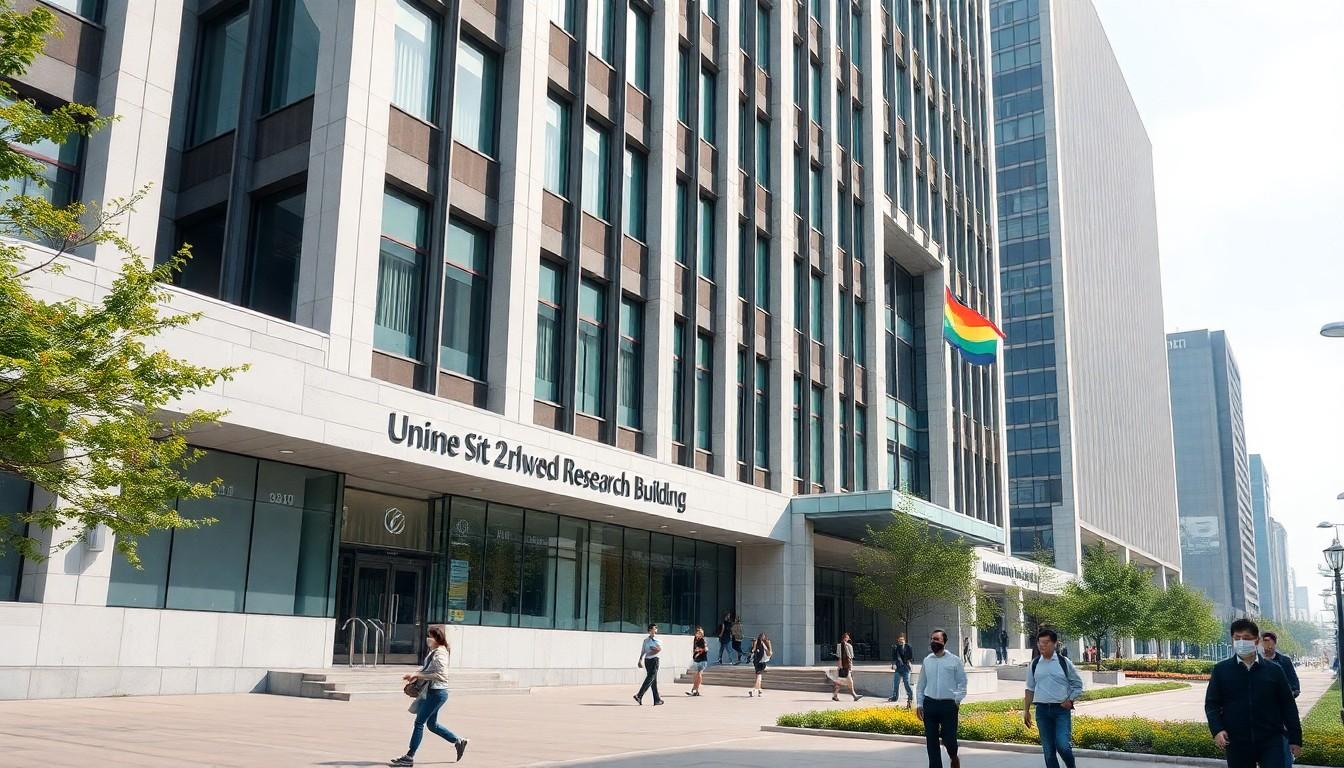
Researchers in Shanghai have found that young gay men report more relationship anxiety and less certainty about a shared future than straight male peers. The study matters because it links private doubts to wider pressures, from family expectations to social acceptance, rather than treating attachment as a simple personal flaw.
Essential Takeaways
- More relationship anxiety: Gay participants reported greater worries about abandonment, emotional closeness and relying on a partner.
- Future confidence differed: Straight men were more likely to feel their relationships had lasting potential.
- The sample was specific: Researchers interviewed more than 600 men in their 20s, split roughly evenly between gay and straight participants.
- Social pressure matters: Family expectations, workplace visibility and public safety can all shape romantic confidence.
- Support should look beyond couples: Counselling may need to address acceptance, identity and long-term security as well as communication.
The biggest difference was confidence in the future
The striking finding wasn't that the men had dramatically different relationship histories. Instead, it was how secure they felt about what came next. According to the study published in BMC Psychology, straight men were more likely to believe their relationships were stable and had a future, while gay men described more uncertainty. [2]
That distinction is easy to underestimate. A couple can be happy on a Tuesday evening, sharing takeaway and laughing at the same silly programme, yet still feel unsure about whether family, colleagues or society will make long-term plans harder. Relationship security isn't only about affection in the present; it's also about whether the future feels imaginable.
Attachment anxiety doesn't happen in a vacuum
The gay participants reported more concern about being abandoned, not knowing how their partner felt, becoming too dependent or keeping emotional distance. These are familiar attachment themes, but the researchers argue that social conditions can intensify them. Earlier attachment research has linked fears of rejection and inconsistent security with how people approach intimacy. [3]
That doesn't mean every gay man is insecure, or that sexual orientation determines attachment style. It means the emotional background can be different. If a relationship may face family resistance, pressure to enter a heterosexual marriage or limited public recognition, it can be harder to feel that love is safely anchored.
Shanghai provides important context
The research took place in Shanghai, where same-sex relationships don't have legal recognition and many LGBTQ+ people still face pressure around marriage, children and family lineage. Those circumstances make the phrase "this relationship has a future" considerably more complicated than it might sound.
Classic relationship research has long treated commitment, trust and perceived stability as central to lasting partnerships. Studies of gay male couples have also examined how attachment patterns connect with sexual expectations and relationship satisfaction, showing why a couple's emotional habits deserve attention rather than judgement. [4] [5] [7]
What can couples and counsellors do?
The practical lesson is not to tell anxious partners to simply relax. A more useful conversation might ask what the anxiety is responding to. Is it uncertainty inside the relationship, or fear of being rejected by parents, exposed at work or unsafe in public?
For couples, small acts of clarity can help: discuss whether you both want a long-term future, agree how you'll handle family questions and notice when one partner seeks reassurance while the other withdraws. Therapists can also make space for minority stress, identity and safety, rather than treating every concern as an individual communication failure. Research on mental health and relationships supports considering wider social pressures alongside personal attachment patterns. [6]
The study is revealing, but not universal
The participants were young men from one city and one national context, so the results shouldn't be presented as a universal portrait of gay relationships. Age, income, culture, family support and being out can all change how secure someone feels. The research is best read as a prompt to ask better questions, not as a label.
Still, the central insight travels. When society makes a relationship feel provisional, couples may carry that uncertainty into private life. Feeling secure is easier when people can picture their partners beside them not just at home, but in the wider world too.
It's a reminder that emotional security grows in supportive surroundings, not just between two people.
Source Reference Map
Story idea inspired by: [1]
Sources by paragraph: