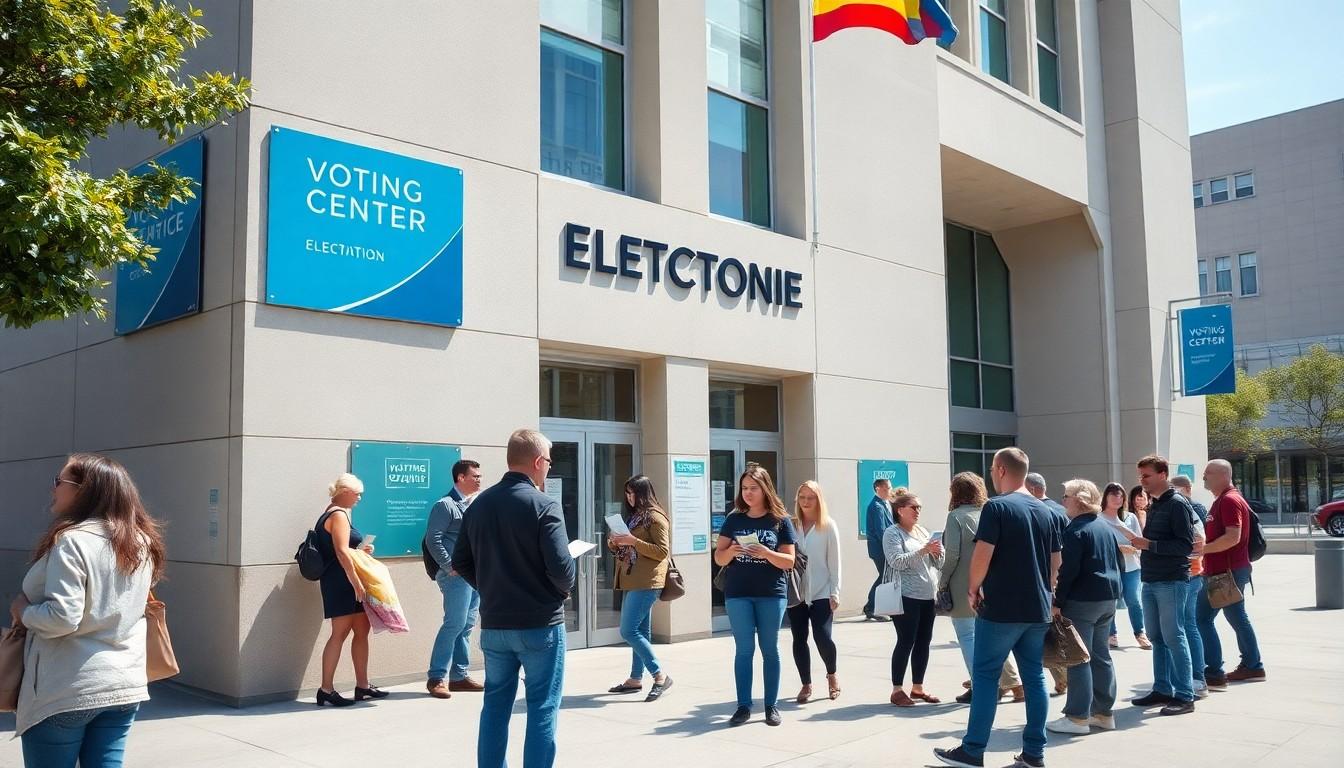
Voters, neighbours and LGBTQ+ communities are once again being asked to turn conviction into action. Drawing on liberation history, local Pride organising and the long fight for equal dignity, this timely Columbus commentary argues that silence can carry a cost, especially when rights, representation and everyday security are under pressure.
Essential Takeaways
- Freedom needs participation: Rights are protected through voting, organising and speaking up, not passive goodwill.
- History remains close: LGBTQ+ liberation grew from protests, community networks and resistance to exclusion.
- Local action counts: Pride groups and civil-rights organisations turn broad ideals into practical support.
- The stakes are personal: Safety, housing, affordability and recognition all shape whether freedom feels real.
- The next generation is watching: Today’s choices become tomorrow’s civic inheritance.
Liberty is more than a line in a song
The most stirring civic words can become background noise when repeated too often. Yet the familiar language of sacrifice and freedom still lands differently when communities are facing hostility, uncertainty or the slow erosion of public trust.
That is the central provocation in this Columbus essay. Liberty isn't simply a historic achievement to admire from a distance; it is a responsibility that asks something of ordinary people. According to the National Association for the Advancement of Colored People, civil rights work remains rooted in collective action, public accountability and the belief that equal treatment must be defended in practice.
For LGBTQ+ people, that distinction matters. Legal recognition can change lives, but belonging is also shaped by whether someone feels safe at school, at work, in a hospital or walking home. A principle only becomes meaningful when it survives contact with everyday life.
The liberation movement was built by people who refused silence
LGBTQ+ liberation didn't arrive as a neat gift from institutions. It emerged through protest, mutual support and the stubborn insistence that people pushed to the margins had the right to organise on their own terms.
The University of Missouri-Kansas City’s history of the gay liberation movement describes a period in which activists challenged police harassment, social stigma and the assumption that LGBTQ+ people should remain hidden. Stonewall became a powerful symbol, but the broader movement was made up of countless meetings, demonstrations, publications and acts of mutual care.
That history is worth remembering because progress can look inevitable in hindsight. It never was. Behind every public milestone were people who risked jobs, family relationships, safety and reputation to make a demand that now sounds obvious: dignity shouldn't depend on conformity.
Pride is celebration, but it's also civic infrastructure
Las Vegas offers a useful reminder that Pride is both cultural celebration and community organising. The Las Vegas PRIDE website traces the city's LGBTQ+ history through changing public attitudes, growing visibility and the work required to create lasting spaces for connection.
Meanwhile, UNLV's digital collections preserve material that helps show how LGBTQ+ life has been documented, remembered and fought over. Archives can feel quiet and scholarly, but they carry an emotional charge. A leaflet, photograph or meeting record may be the surviving evidence that a community was here, building something in difficult conditions.
That makes Pride more than a colourful weekend. It can be a bridge between generations, linking older activists with younger people who may be encountering the movement's history for the first time. The music is louder, certainly, but the underlying question remains serious: who gets to live openly, and who is expected to shrink themselves for public comfort?
What civic action looks like now
The answer doesn't have to be grand or theatrical. It might mean registering to vote, attending a council meeting, supporting a local LGBTQ+ organisation or learning which services are available to neighbours facing discrimination.
It can also mean paying attention to language. When public debate turns someone's identity into a talking point, the people affected can disappear behind the argument. Boston Review's reflection on Stonewall's legacy and Pete Buttigieg's political career shows how liberation history continues to shape contemporary conversations about visibility, leadership and power.
The practical lesson is simple: choose action that matches the moment. If a local group needs volunteers, help with time. If a neighbour needs reliable information, share it. If a proposed policy threatens equal access or safety, don't assume somebody else will object. Democracy is less glamorous than a rallying speech, but it is built from these small, repeatable choices.
The next generation inherits today's decisions
The Columbus essay's most affecting idea is that people living now are temporary custodians of a future they won't fully see. That can sound lofty, but it has a grounded meaning. Children and young adults learn what citizenship looks like by watching how adults respond when principles become inconvenient.
The history of LGBTQ+ organising in Las Vegas, as documented by OutHistory, shows how communities create continuity even when official recognition is limited. Each generation borrows courage from the last, then adapts it to new pressures. That's why memory matters, but so does movement; a proud past cannot substitute for present-day work.
There is no guarantee that hard-won rights will remain secure without care. Still, the record offers reasons for hope. People have built alliances before, found one another before and changed the public conversation before. They can do it again, provided they resist the tempting quiet of indifference.
Freedom lasts when people practise it together.
Source Reference Map
Story idea inspired by: [1]
Sources by paragraph: