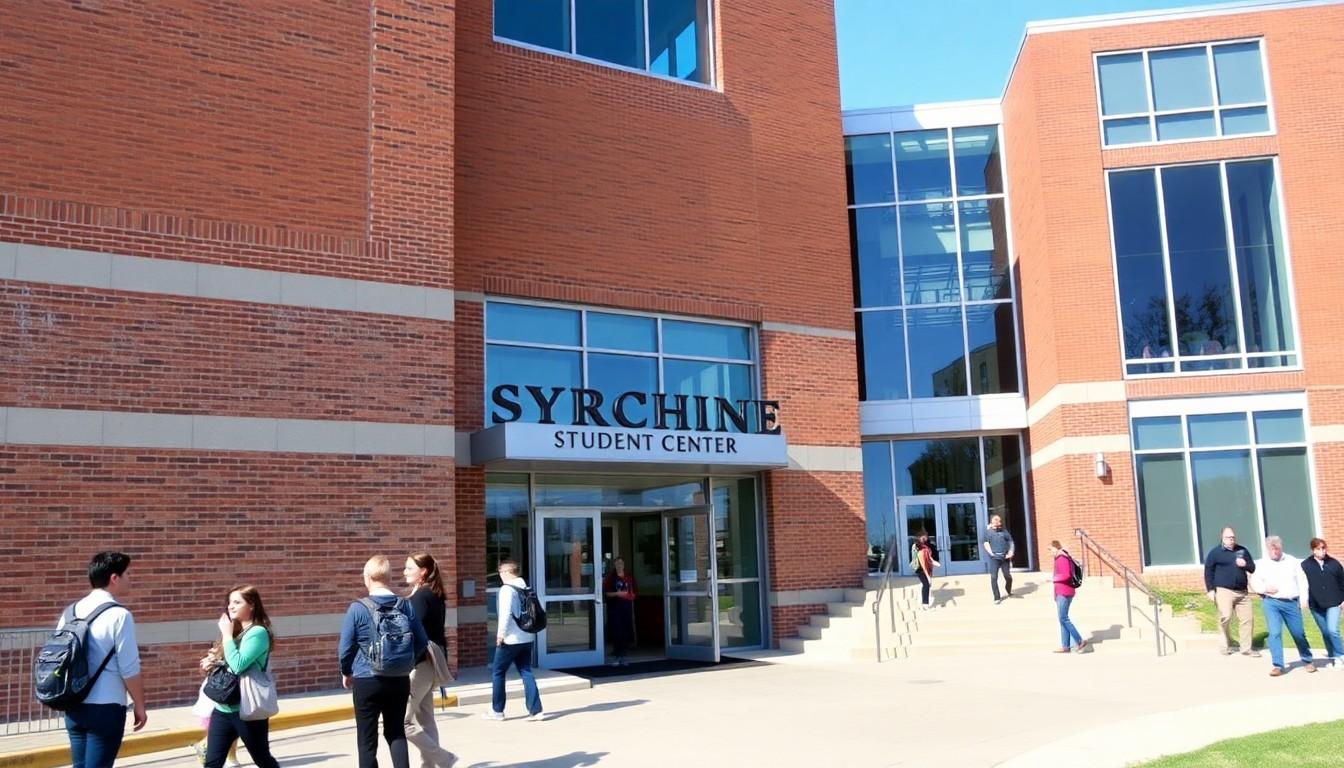
Syracuse University is marking LGBTQ+ History Month with a conversation led by alumnus Jordan Potash, whose student activism helped lay the foundations for the campus LGBTQ+ Resource Center. The event also celebrates the centre's 25th anniversary, offering students and allies a chance to explore community, identity and constructive change.
Essential Takeaways
- Key event: Jordan Potash will headline the eighth annual keynote series at Syracuse University.
- When and where: The discussion takes place on 22 October, from 7pm to 9pm, in room 304ABC of the Schine Student Center.
- Big anniversary: The LGBTQ+ Resource Center is celebrating 25 years of supporting students, allies and wider campus change.
- Open conversation: The panel will examine queer culture, student needs, activism and personal wellbeing.
- Lasting legacy: Potash's early campaigning helped turn an ally-training idea into a permanent campus resource.
A homecoming with a purpose
The strongest part of this story isn't simply that an alumnus is returning to campus. It's that Jordan Potash is coming back to a place shaped, in part, by his own determination.
Syracuse University says Potash will join student leaders for an informal panel on LGBTQ+ community building during the university's LGBTQ+ History Month programme. The evening is designed to feel less like a formal lecture and more like a shared conversation, which seems fitting for a centre built around connection. Syracuse University event information confirms the session will run from 7pm to 9pm in the Schine Student Center. [3], [6]
Potash graduated in 1998 after studying psychology and studio arts, but his campus life extended well beyond the classroom. He was involved in student leadership, residential life, peer mentoring and faith-based community work, experiences that later fed into his approach to advocacy and education. [2], [7]
How one student helped start a support system
Potash's involvement began with a practical question: why shouldn't Syracuse have the kind of LGBTQ+ ally-training initiative he had encountered elsewhere?
He approached university leaders with the idea, hoping to create stronger support for students like himself. The proposal gained backing, went before the University Senate and eventually led to an ad hoc committee. The resource centre opened in 2001, more than two years after Potash's graduation. [2], [4]
That timeline matters. Campus support structures can look established once they're visible, but they often begin with one person noticing a gap and persuading others to take it seriously. In this case, a student campaign became a lasting institution, helped along by staff and colleagues who encouraged the idea to grow into something more ambitious. [4], [7]
What the LGBTQ+ Resource Center offers today
The centre now takes a broad approach, combining education, health and wellbeing support, advocacy and community programming. Its role isn't limited to responding to individual concerns. It also contributes to wider conversations about belonging and institutional change. [4], [7]
That wider remit reflects how students experience identity in real life. Sexual orientation and gender identity don't exist in isolation, so the centre's place within Syracuse's Intercultural Collective allows it to engage with the overlapping parts of students' lives and communities. [4], [7]
For visitors, the most important detail may be the simplest one: the space is open to everyone. LGBTQ+ students can find targeted support, while friends, families, colleagues and allies can learn how to participate thoughtfully. That mix gives the centre a warmer, more useful role than a service that people visit only in a crisis. [2], [7]
Why the anniversary feels timely
The 25th anniversary arrives as universities continue to navigate changing political pressures, public debate and shifting expectations around inclusion. Syracuse's materials present the centre as a place that aims to remain supportive while helping students understand those broader pressures. [2], [6]
The keynote discussion will look at how queer culture has changed at Syracuse, how current students' needs are evolving and how people can contribute to change without neglecting their own wellbeing. That's a particularly valuable balance: activism can be energising, but sustainable communities also need rest, care and room for disagreement. [2], [3]
The university's wider LGBTQ+ History Month programming adds further context, linking personal stories and campus history with collections, education and belonging initiatives. Taken together, the programme suggests that history isn't being treated as a finished chapter. It's being used as a tool for understanding what comes next. [5], [6]
A conversation that looks forward
Potash now works as an author, educator and licensed art therapist, and teaches art therapy at George Washington University. His professional focus includes arts-based dialogue, community development and peacebuilding, so his return is likely to connect campus history with practical questions about how people build trust. [2]
That makes the event more than a celebration of a milestone. It offers students a chance to hear from someone who helped create an important part of the university's support network, then followed that work into wider conversations about difference and community.
There is something quietly powerful about that kind of return. The centre's story began with a student asking for better support, and its next chapter will be shaped by students asking what support should look like now. [2], [4]
It's a reminder that inclusive campus spaces are built one brave conversation at a time.
Source Reference Map
Story idea inspired by: [1]
Sources by paragraph: