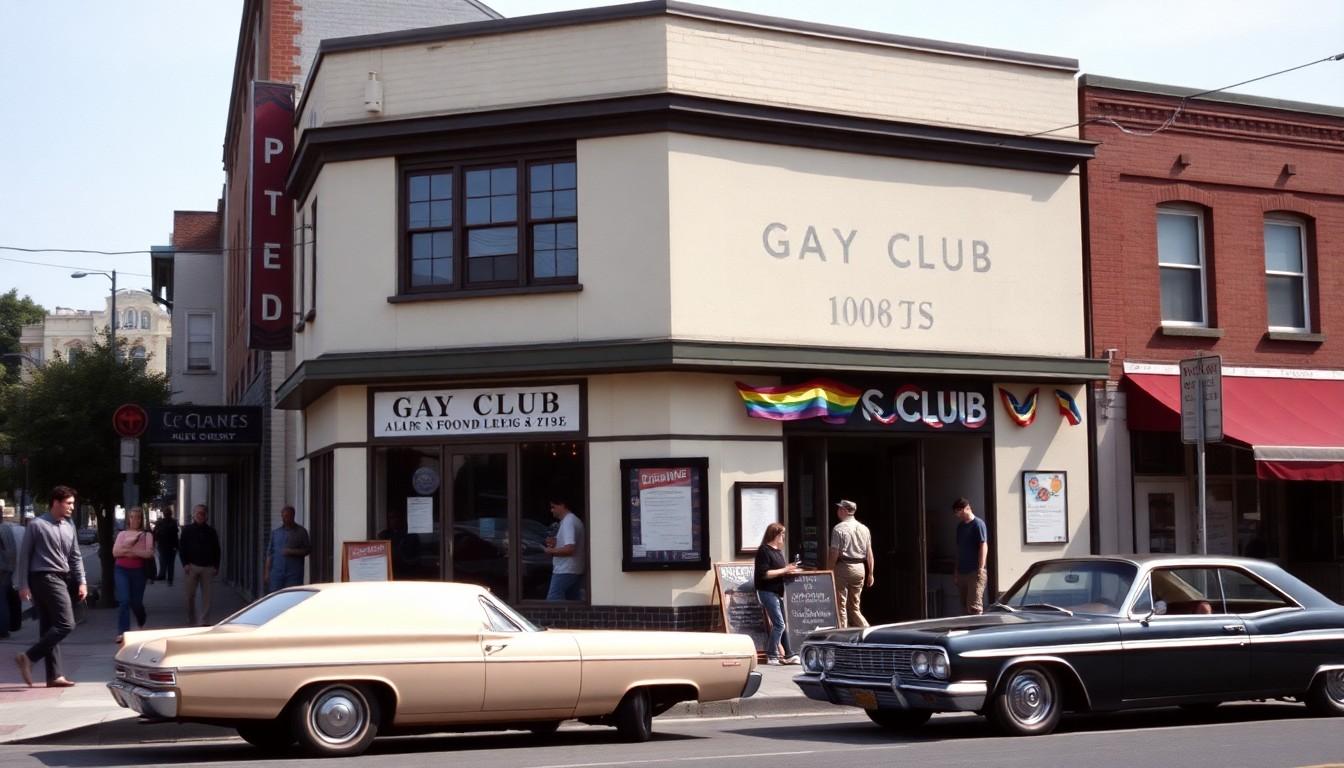
Readers are being taken back to Steamworks Berkeley in 1978, when a young graduate student found work behind its front desk and stepped into a lively, complicated world of music, flirtation and community. The story matters because the Fourth Street venue has endured, while the culture around gay bathhouses has changed dramatically.
Essential Takeaways
- A vivid first-hand account: The essay recalls working at Steamworks Berkeley in 1978, from checking guests in to running music and handing out towels.
- A distinctly pre-AIDS snapshot: The period felt liberated, but that freedom was soon shadowed by illness, stigma and loss.
- A mixed clientele: Students, closeted married men, older gay men, drag queens and visitors from San Francisco shared the same space.
- The venue remains open: Current listings continue to identify Steamworks Berkeley as an operating Fourth Street venue, although the experience is more polished and expensive today.
- Bathhouses have evolved: Modern venues sit at the meeting point of nightlife, sexual health, privacy and LGBTQ+ social history.
A front-desk job opened the door to another world
The most striking detail in this Steamworks Berkeley history isn't the glamour. It's the texture: dark painted walls, paper cups of lubricant, freshly laundered towels and music spilling from an improvised DJ booth.
The writer arrived at the Berkeley venue after separating from his wife and coming out, while studying English literature and looking for work that fitted around university. According to the essay, the job offered far more than a convenient timetable. It became an intense introduction to gay life in the Bay Area.
At the desk, routine and unpredictability sat side by side. Staff checked guests in, managed lockers, screened out people who were too intoxicated and dealt with the inevitable queue. Meanwhile, the music kept moving, with disco favourites and jazz setting different moods across different shifts.
Steamworks Berkeley captured a particular moment
In the late 1970s, the venue reflected a newly visible gay culture that could feel both exhilarating and precarious. The writer describes a world where people arrived looking for sex, companionship, escape or simply the chance to be around others without explaining themselves.
That openness came with serious risks. HIV and AIDS were still just beginning to transform public life, and the early confidence of the era would soon be replaced by fear, grief and political hostility. The memory gains power from that hindsight, because the reader knows what the staff and customers didn't yet know.
The account also avoids presenting the bathhouse as a simple playground. It was a workplace, a social crossroads and, at times, a safety checkpoint. Staff had to make quick judgements about intoxication, conflict and vulnerability, often with little more than experience and instinct.
The crowd was more varied than the stereotype
One reason the essay feels unusually alive is its description of the clientele. Steamworks drew university students, married men who were still closeted, younger Black men, visitors from San Francisco, drag queens and older men who had only recently come out.
That mix matters. Contemporary bathhouse culture is often reduced to anonymous encounters, yet venues such as Steamworks have also functioned as informal meeting places for people at very different points in their lives. A newly out customer could find a first friendship, while a regular visitor might simply enjoy the ritual of returning.
External listings continue to place Steamworks Berkeley within the city's LGBTQ+ nightlife landscape, while broader writing about bathhouses describes their role as spaces shaped by community, intimacy and changing sexual-health expectations. The old locker-room image, in other words, only tells part of the story.
From reel-to-reel disco to a more polished venue
The technology alone shows how much has changed. The writer recalls a reel-to-reel deck, two turntables and bootlegged tapes, alongside the practical work of keeping the floor supplied and the atmosphere moving.
Today, the venue's public image is far more polished, with online information, professional branding and a clearer sense of what visitors can expect. Industry coverage has also paid closer attention to the changing bathhouse business, including questions around privacy, regulation, safety and the pressures facing LGBTQ+ nightlife spaces.
That doesn't mean the basic appeal has disappeared. People still value places where they can meet others without the awkwardness of a conventional bar. But expectations are different now, and a modern visitor is more likely to consider cleanliness, consent, health information and privacy alongside atmosphere.
What visitors should look for today
Anyone considering a contemporary gay bathhouse should start with practical details rather than relying on nostalgia. Check the venue's current rules, age requirements, opening hours and accepted payment methods, since these can change.
Clean facilities and clear boundaries matter too. Look for visible information about safer sex, staff who appear approachable and policies that make consent straightforward. If you're visiting alone, keep your phone, identification and valuables secure, and avoid accepting drinks or substances from strangers.
The larger lesson from this Steamworks Berkeley story is that venues survive by adapting. The music equipment may be sleeker and the prices higher, but the underlying desire for privacy, connection and a little freedom hasn't vanished.
For the original writer, a small engraved bracelet from a customer became a lasting reminder of the people behind the nightlife. That's the detail that lingers: beneath the noise and heat, a community was being made in real time.
It's a piece of LGBTQ+ history that still has a pulse.
Source Reference Map
Story idea inspired by: [1]
Sources by paragraph:
- Paragraph 1: [2], [4]
- Paragraph 2: [3], [7]
- Paragraph 3: [4], [6]
- Paragraph 4: [2], [5]
- Paragraph 5: [4], [7]
- Paragraph 6: [2], [6]
- Paragraph 7: [4], [7]
- Paragraph 8: [2], [5]
- Paragraph 9: [4], [6]
- Paragraph 10: [2], [7]
- Paragraph 11: [4], [5]
- Paragraph 12: [2], [6]
- Paragraph 13: [4], [7]
- Paragraph 14: [2], [5]
- Paragraph 15: [4], [6]
- Paragraph 16: [2], [7]
- Paragraph 17: [4], [5]
- Paragraph 18: [2], [6]
- Paragraph 19: [4], [7]