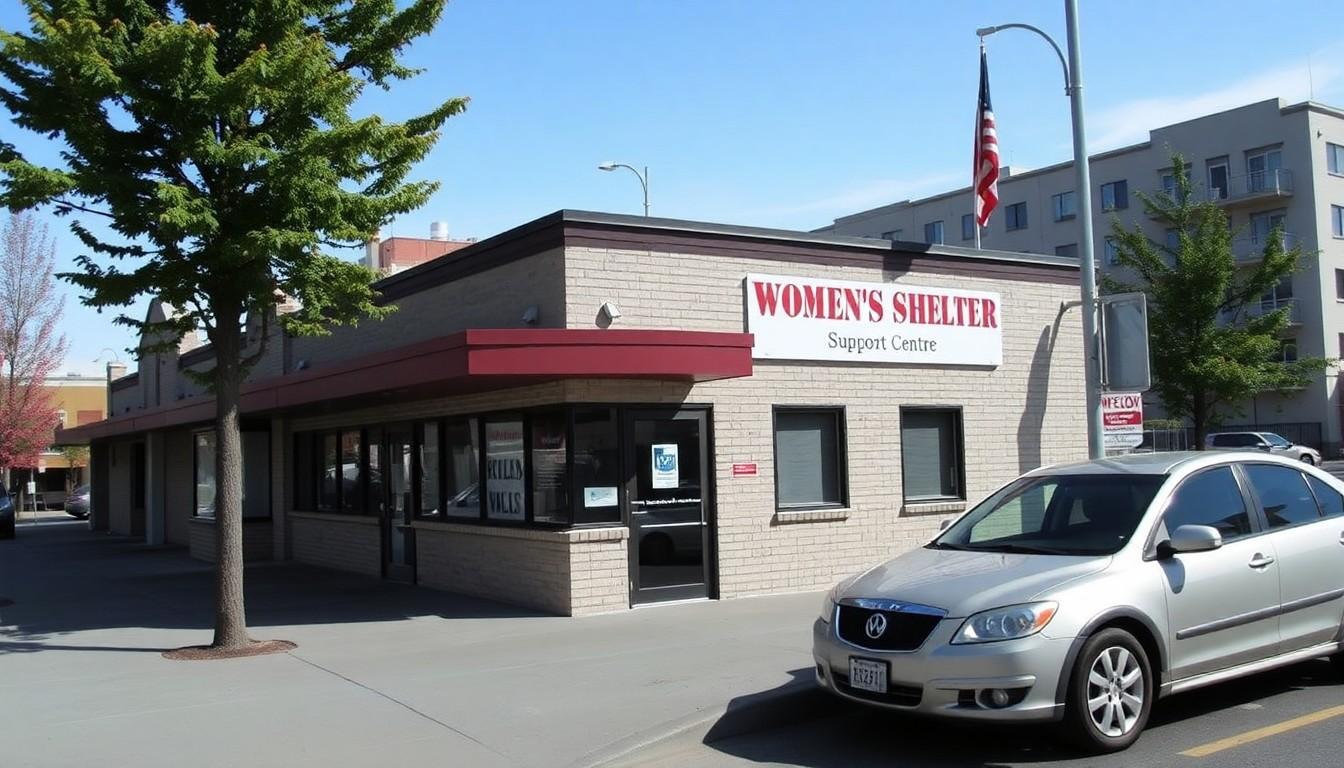
A long-running dispute at an Anchorage women’s shelter has put homelessness, domestic-abuse support and transgender access under the spotlight. The case matters because shelters must balance privacy and safety with anti-discrimination rules, while vulnerable residents often have nowhere else to go.
Essential Takeaways
- The dispute began in 2018: Downtown Hope Center refused entry to a transgender woman during a freezing Anchorage night, leading to a discrimination complaint.
- The shelter cited safety and privacy: Its residents included women affected by homelessness, violence and exploitation, according to reporting on the case.
- The legal picture shifted: Anchorage later changed its equal-rights rules, prompting further court action.
- The debate reaches beyond Alaska: Advocates on both sides see the case as a test of how shelters should apply gender-identity protections.
- Practical policies matter: Clear intake procedures, private facilities and trained staff can reduce confusion when someone arrives in crisis.
One shelter decision became a national flashpoint
The dispute started with a difficult scene: an intoxicated, injured person arrived at an Anchorage women’s shelter during a bitterly cold January night. Shelter leader Sherrie Laurie refused admission but arranged transport to hospital, according to accounts of the incident.
That decision soon became a legal matter. The Downtown Hope Center served women sleeping close together in shared accommodation, including people recovering from domestic abuse, sexual violence and homelessness. In that setting, privacy isn't an abstract principle. It's part of whether residents feel able to sleep, wash and recover without fear.
Reporting from Alaska Public Media said the Anchorage Equal Rights Commission pursued a complaint after the refusal. The case quickly became a flashpoint because it involved two urgent duties: protecting vulnerable residents and preventing discrimination against transgender people.
Why women-only shelters are especially complicated
Women's refuges aren't ordinary hostels. They often support people who have experienced violence by men, so a shared sleeping area can trigger distress or make residents feel unsafe. At the same time, transgender people experiencing homelessness can face harassment, violence and exclusion in mixed or gendered accommodation.
The American Civil Liberties Union has argued for broad protections for LGBT people in Alaska, including safeguards against discrimination in housing and services. LGBT-focused publications have reported the opposing view from religiously affiliated shelters, which have sought greater freedom to set admission rules.
That tension is why blunt slogans rarely help at the front desk. Staff need workable guidance for emergencies, not just competing claims about rights. A person arriving cold, injured or distressed needs immediate care, while everyone already inside deserves dignity and protection.
The legal battle changed shape over time
The first complaint was dismissed, but Anchorage later amended its ordinance, leading to another round of litigation. A judge subsequently found that the shelter wasn't a public accommodation covered by the local rule, according to coverage from Alaska Public Media.
The case sits within a wider legal landscape. LGBT rights groups have challenged policies they believe exclude transgender people, while faith-based organisations have argued that their beliefs and safeguarding responsibilities should be recognised. A separate Alaska case involving transgender rights and state administration shows how disputes over identity and public services have reached several parts of government.
That makes the shelter question more than a single admission decision. It raises practical issues about who writes the rules, how exceptions are handled and whether local protections align with state and federal law.
What should residents and shelter operators look for?
For people seeking help, the useful questions are straightforward. Ask whether sleeping areas are shared, how privacy is protected, what happens in an emergency and whether there are separate options for people with trauma-related concerns. A reputable service should explain its policy calmly, without making a distressed applicant feel like a political symbol.
Operators, meanwhile, need more than a sign on the door. They should have trained staff, private changing and washing facilities where possible, documented safeguarding procedures and a clear route to alternative accommodation. Those measures won't resolve every disagreement, but they can stop an already frightening situation becoming chaotic.
The wider lesson is that policy must meet real life. A rule that looks simple on paper can feel very different in a crowded dormitory at 2am, when residents are exhausted, frightened and short of alternatives.
The argument is likely to continue
Civil-rights organisations are expected to keep challenging exclusionary policies, while women's-shelter advocates will continue pressing for trauma-informed, female-only spaces. The Alaska case has become part of that larger conversation, with each side presenting it as evidence that the other threatens vulnerable people.
For readers, the most useful takeaway is less dramatic but more important: ask how a service actually protects privacy, safety and equal treatment. Good intentions aren't enough when the people involved are cold, homeless or recovering from violence.
In the end, shelters need rules that are lawful, transparent and humane. That's a demanding standard, but vulnerable residents deserve nothing less.
A safe shelter policy should protect dignity without losing sight of the people standing at the door.
Source Reference Map
Story idea inspired by: [1]
Sources by paragraph:
- Paragraph 1: [4], [7]
- Paragraph 2: [3], [6]
- Paragraph 3: [4], [7]
- Paragraph 4: [2], [3]
- Paragraph 5: [5], [6]
- Paragraph 6: [4], [5]
- Paragraph 7: [2], [6]
- Paragraph 8: [3], [7]
- Paragraph 9: [2], [4]
- Paragraph 10: [5], [6]
- Paragraph 11: [2], [3]
- Paragraph 12: [4], [7]
- Paragraph 13: [2], [5]
- Paragraph 14: [3], [6]