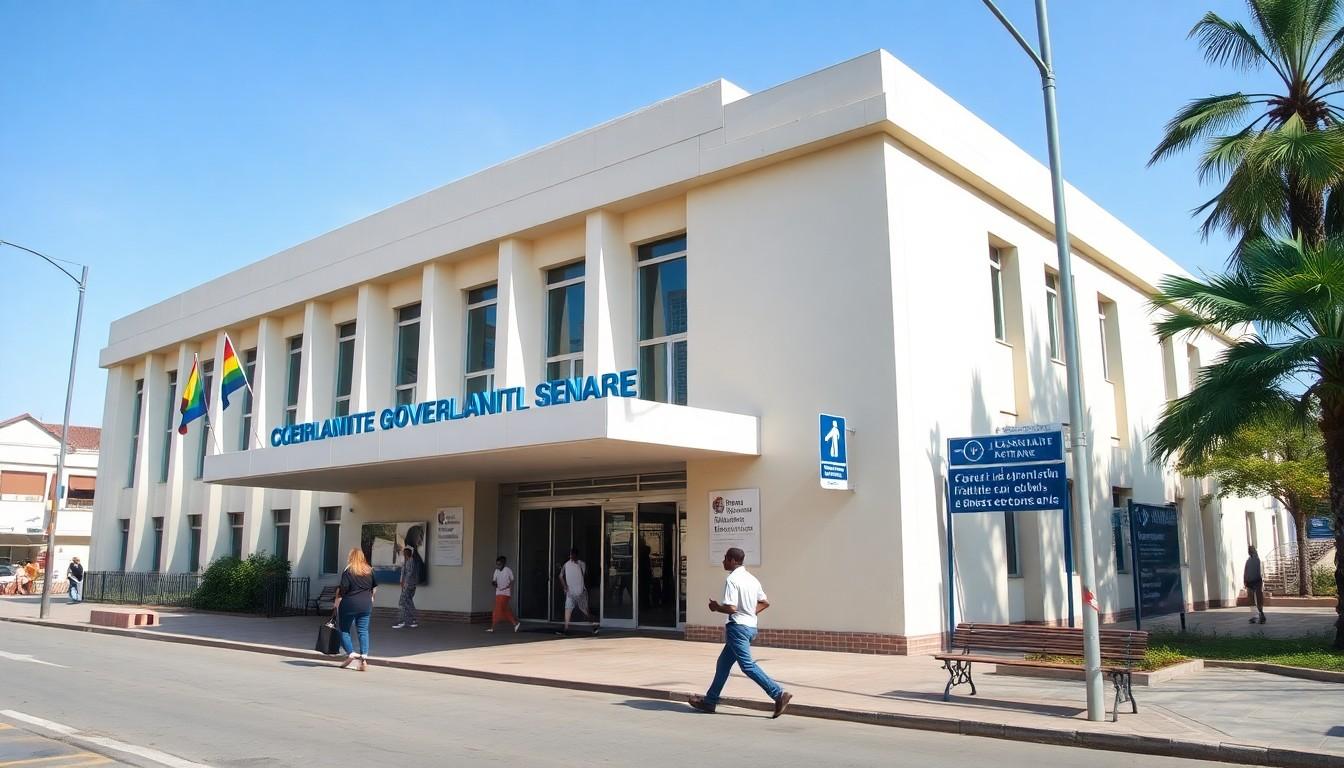
Senegalese LGBT people are facing a widening crackdown after tougher anti-homosexuality legislation brought arrests, public fear and renewed stigma. Human Rights Watch says the pressure is also pushing people away from HIV testing and treatment, turning a political shift into a serious public-health concern.
Essential Takeaways
- Hundreds reportedly detained: Rights groups estimate that more than 200 people were arrested between February and July, though no official total has been published.
- Longer prison terms: Convictions can now bring five to 10 years in prison, double the previous maximum.
- HIV care is being disrupted: Fear of arrest is discouraging some LGBT people from seeking tests, medicines and medical advice.
- Charges were challenged: A court dismissed allegations against 82 people accused of intentionally transmitting HIV.
- Regional warning sign: More than 30 African countries still criminalise consensual same-sex relations.
Arrests deepen fear across Senegal
The most immediate impact is being felt in ordinary routines. People are reportedly limiting where they go, who they meet and whether they seek medical help, as arrests and social hostility create an atmosphere of constant suspicion. Human Rights Watch described the campaign as a serious assault on LGBT rights.
The numbers are difficult to pin down because Senegal's authorities haven't released a complete tally. The African Forum for the Defence of Human Rights recorded at least 212 arrests between February and July, while the HIV Justice Network put the figure above 300, according to reporting by the Associated Press.
That uncertainty matters. Without transparent arrest and court data, families, lawyers and health workers are left trying to understand the scale of the operation through scattered reports. For people already living under stigma, even rumours of raids can have a chilling effect.
Tougher law widens the net
Senegal's parliament approved the stricter legislation with overwhelming support earlier this year. It doubles the potential prison term for consensual same-sex sexual activity to between five and 10 years, and also targets the promotion or funding of homosexuality by organisations.
The legislation groups homosexuality with other acts labelled as being against nature, a formulation that rights advocates say reinforces prejudice rather than protecting the public. Human Rights Watch has warned that such language can legitimise discrimination well beyond the courtroom.
Same-sex sexual activity was already illegal in Senegal under a law dating back to 1965. The latest measures therefore don't mark the beginning of criminalisation, but they do represent a sharp escalation in penalties and enforcement, according to the Washington Post.
Why HIV treatment is now at risk
One of the most worrying consequences is the potential retreat from healthcare. If an LGBT person fears that a clinic visit, a test result or a conversation with a doctor could expose them to police attention, avoiding care may feel safer in the short term, even when the health risks are obvious.
The concern is especially acute for HIV services, which depend on trust, confidentiality and regular appointments. Human Rights Watch said the crackdown is encouraging people to avoid testing and treatment, undermining years of public-health work.
The case involving 82 people accused of intentional HIV transmission shows how quickly public-health issues can become criminalised. A court dismissed those allegations in August, but the episode still sent a powerful warning to communities already worried about surveillance and arrest.
Senegal joins a harder regional pattern
The developments place Senegal among a group of African countries where convictions for same-sex relations can result in a decade or more behind bars. Kenya, Sierra Leone and Tanzania have similarly severe maximum penalties, while Somalia, Uganda and Mauritania allow even harsher punishment under their laws.
The wider picture is uneven. More than 30 of Africa's 54 countries criminalise consensual same-sex sexual activity, yet legal systems and enforcement vary considerably from one country to another. A law may sit quietly on the books for years, then become newly potent when political rhetoric shifts.
That appears to be part of what makes Senegal's situation so alarming. The country was often viewed internationally as relatively moderate on social and religious questions, but recent arrests and legislative changes suggest that reputation offers little protection when political pressure turns towards a minority community.
What happens next?
Human Rights Watch is calling on Senegal's government to end the crackdown and protect the rights of all citizens. The organisation's position is that punishment and intimidation cannot be squared with basic freedoms, including access to healthcare and protection from arbitrary detention.
The first conviction under the tougher law, reported by the Los Angeles Times earlier this year, also suggests that the legislation is moving from political statement to practical enforcement. That shift is likely to keep lawyers, health workers and international rights groups focused on Senegal's courts.
For LGBT people in the country, though, the issue is more immediate than legal precedent. It is whether they can leave home, visit a clinic or ask for help without feeling that everyday life has become evidence against them.
The stakes are human rights, public health and personal safety all at once.
Source Reference Map
Story idea inspired by: [1]
Sources by paragraph:
- Paragraph 1: [3], [4]
- Paragraph 2: [2], [3]
- Paragraph 3: [2], [4]
- Paragraph 4: [3], [6]
- Paragraph 5: [3], [4]
- Paragraph 6: [3], [6]
- Paragraph 7: [3], [5]
- Paragraph 8: [3], [5]
- Paragraph 9: [4], [7]
- Paragraph 10: [2], [3]
- Paragraph 11: [4], [6]
- Paragraph 12: [3], [7]
- Paragraph 13: [7], [3]
- Paragraph 14: [3], [4]
- Paragraph 15: [7], [3]
- Paragraph 16: [2], [3]
- Paragraph 17: [3], [5]
- Paragraph 18: [3], [4]