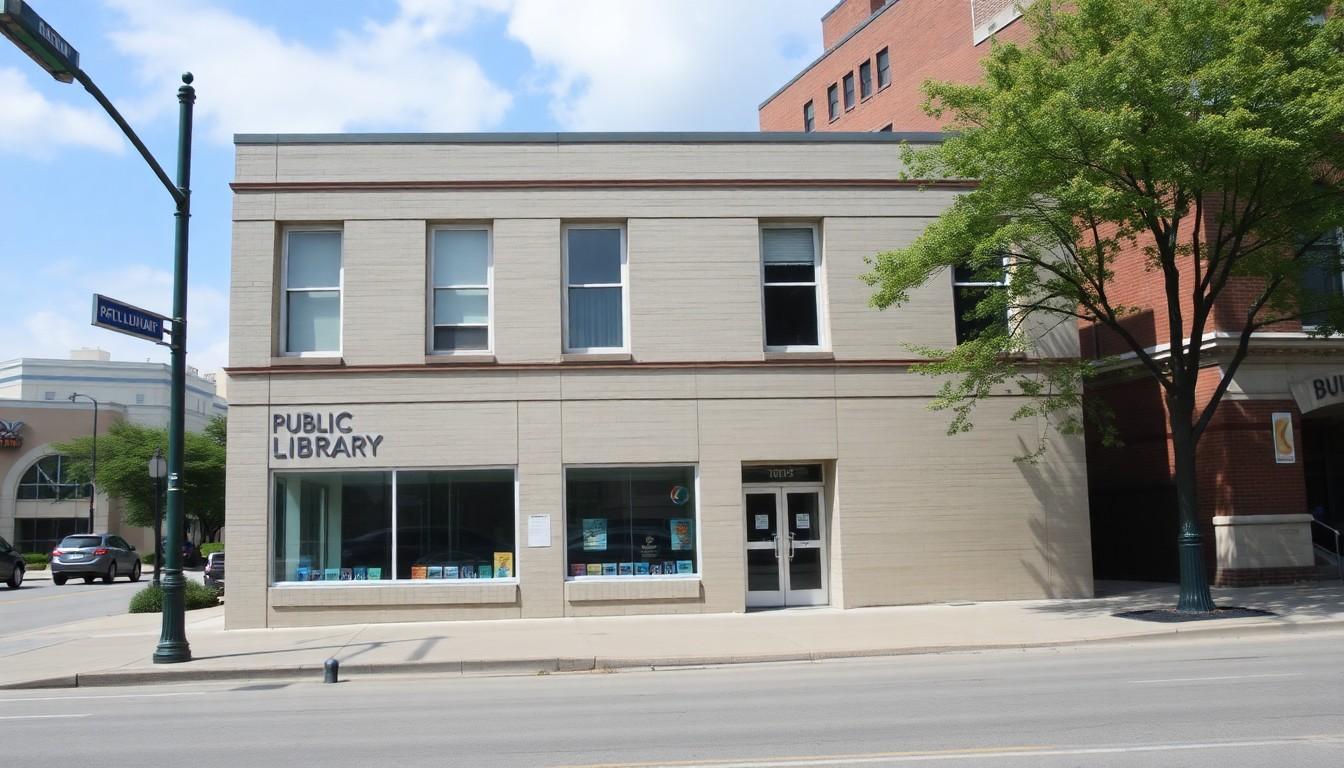
Visitors are discovering Quatrefoil Library in Minneapolis as more than a place to borrow books. With free membership, a welcoming community room and a growing digital collection, this independent LGBTQIA+ library preserves queer stories while making them easier to find for readers across the United States and beyond.
Essential Takeaways
- A long-running resource: Quatrefoil Library was founded in 1986 and remains community supported.
- Free access: Patrons can use the library and apply for membership without a fee.
- More than books: The collection includes films, historic publications, travel guides and queer organisational newsletters.
- A digital reach: Q Digital brings LGBTQIA+ ebooks and audiobooks to members through Libby.
- A 40th anniversary ahead: Events and fundraising are helping secure the library's future.
A small library with a very big purpose
Quatrefoil Library began with a practical problem: people wanted LGBTQIA+ books, but buying or borrowing them could feel exposing. A private lending arrangement between friends gradually grew into a formal library, giving readers access to stories that mainstream institutions often overlooked.
That original need still feels recognisable. A book can offer reassurance, language and companionship, particularly when someone is questioning their identity or living somewhere with limited LGBTQIA+ resources. Quatrefoil's free, low-barrier model makes that welcome feel tangible rather than theoretical.
The library's own background information describes a community-built organisation dedicated to queer literature, history and connection. It isn't simply a shelf of specialist titles; it's a place where personal stories and collective memory sit side by side.
Four decades of queer history, on the shelves
The collection has changed dramatically since the 1980s. Early holdings reflected a much smaller publishing landscape, while today's shelves cover romance, mysteries, graphic novels, biographies, history and books for younger readers.
There are also fascinating reminders of LGBTQIA+ life before the internet. Visitors may find historic newsletters, international queer journals, pulp fiction, and old Damron travel guides documenting bars and meeting places from earlier decades. These materials have a slightly time-travelling quality, offering details that polished histories can miss.
According to Quatrefoil's anniversary information, the library's value lies partly in this continuity. New books arrive regularly, but they join a collection shaped by activism, friendship, loss and persistence.
It works as a community space, too
Quatrefoil has grown beyond the traditional lending-library model. Its Minneapolis location includes a community room where people can meet, organise, socialise or simply spend time with others who understand the importance of the space.
That openness matters. Not everyone has access to a safe, affordable venue for a club meeting or community gathering, and not every visitor wants a formal programme. Sometimes the benefit is quieter: browsing without judgement, chatting with a volunteer or finding a title that feels unexpectedly personal.
The library's events programme reflects that broader role, with activities designed to bring people together around LGBTQIA+ culture, history and community life. It's a useful reminder that libraries can be social infrastructure, not just places of silent study.
Digital borrowing makes the collection travel
Technology has helped Quatrefoil reach people who may never visit Lake Street. Its Q Digital service offers ebooks and audiobooks through Libby, allowing members to explore queer writing from home.
That option is particularly valuable for readers who live in conservative areas, lack suitable local collections or don't feel comfortable borrowing LGBTQIA+ material in person. Digital lending offers privacy as well as convenience, while still connecting readers to an independent community institution.
Quatrefoil's online presence also reflects a wider shift in how people discover books. Social media, recommendation platforms and digital catalogues can help a specialist library reach readers far beyond its neighbourhood. A good recommendation no longer has to travel by word of mouth alone.
How to support Quatrefoil Library
Independent libraries depend on readers, volunteers and donors rather than ordinary public-library funding. Quatrefoil's anniversary campaign is therefore about more than marking a date; it's intended to help sustain the organisation for the years ahead.
Visitors can explore the catalogue, attend events, apply for membership, share the library's work online or make a donation. For readers elsewhere, checking whether digital membership is available may be the simplest way to take part.
The 40th anniversary also offers a moment to consider what preservation really means. Keeping queer history alive requires shelves, servers, volunteers and money, but it also requires people to keep showing up. Quatrefoil's continued existence suggests that community support can turn a modest lending project into a lasting civic resource.
It's a small library with an expansive idea: everyone deserves access to stories in which they can recognise themselves.
Source Reference Map
Story idea inspired by: [1]
Sources by paragraph:
- Paragraph 1: [2], [3]
- Paragraph 2: [2], [6]
- Paragraph 3: [3], [4]
- Paragraph 4: [2], [3]
- Paragraph 5: [2], [6]
- Paragraph 6: [3], [4]
- Paragraph 7: [2], [4]
- Paragraph 8: [2], [3]
- Paragraph 9: [2], [6]
- Paragraph 10: [2], [3]
- Paragraph 11: [4], [5]
- Paragraph 12: [5], [7]
- Paragraph 13: [2], [5]
- Paragraph 14: [3], [5]
- Paragraph 15: [2], [4]
- Paragraph 16: [5], [7]