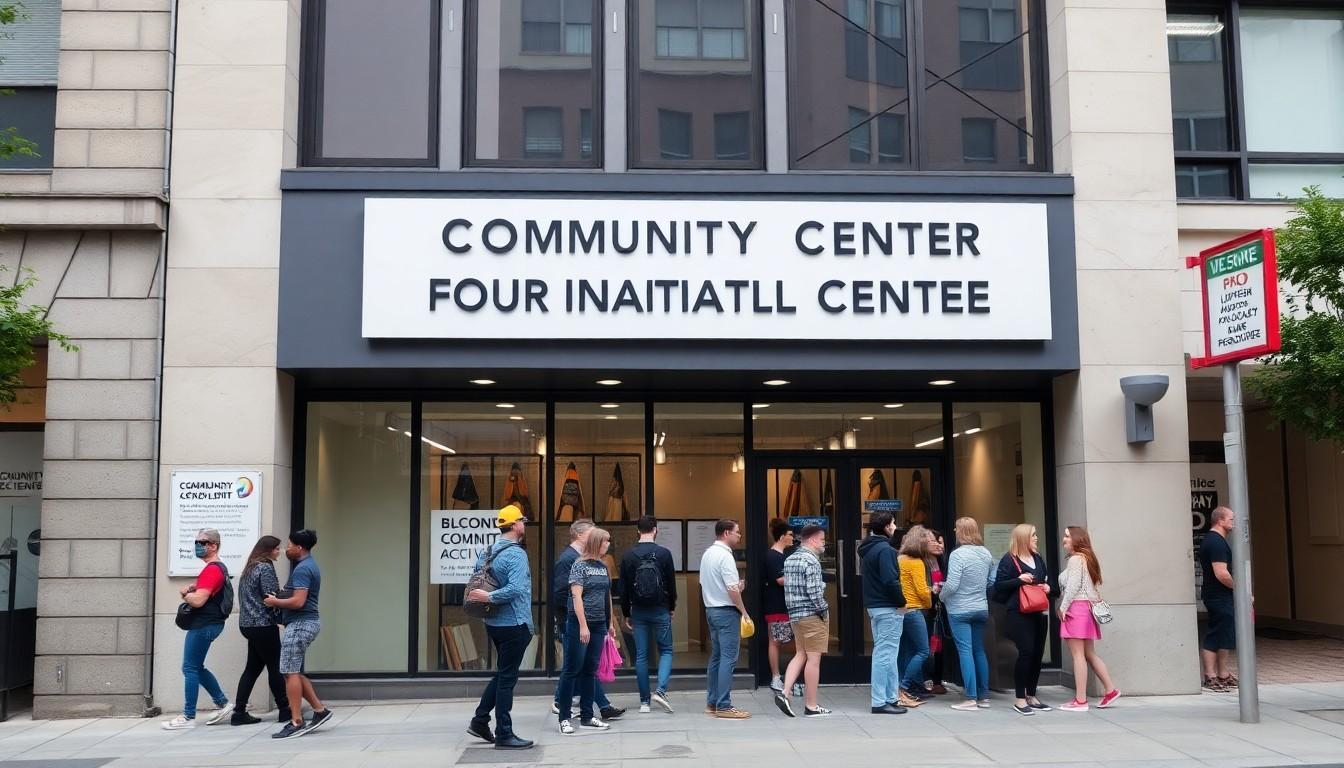
Activists gathering at World Pride 2026 in Amsterdam have highlighted the everyday work keeping LGBTQ+ communities safe, visible and connected worldwide. As international funding shrinks and anti-LGBTQ+ hostility grows, local organisations are being asked to do more with less, from healthcare and legal support to cultural events and emergency protection.
Essential Takeaways
- Pride is year-round: Activists continue organising, advocating and supporting their communities long after the parade ends.
- Services are practical: Local groups provide clinics, safety networks, cultural spaces and routes out of danger.
- Funding is falling: A global report found that 90 per cent of LGBTQ+ groups had lost funding since 2025.
- Amsterdam is responding: The city has expanded reporting points for anti-LGBTQIA+ violence during World Pride.
- Local leadership matters: Community-led organisations understand the risks and needs that outsiders can easily miss.
The parade is only one bright moment
The banners, music and packed streets of World Pride can make solidarity feel wonderfully simple. But behind the celebration is a much tougher reality: activists are still answering urgent messages, arranging healthcare and planning community events while international visitors enjoy the festival.
At Amsterdam City Hall, queer leaders from several countries described work that rarely makes the postcard version of Pride. Enkhmaa Enkhbold of Mongolia's LGBT Centre, for instance, was still checking their phone because Pride preparations at home were only weeks away, according to the LGBT Centre Mongolia. That small interruption said plenty. The movement doesn't pause because the world's attention has briefly arrived elsewhere.
The gathering formed part of the Dutch Ministry of Foreign Affairs and COC Nederland's Building Bridges programme, which brought LGBTIQ+ community leaders together during World Pride 2026. It offered a useful reminder that Pride is not just an event to attend, but a network of relationships that has to be maintained. [2], [7]
What local LGBTQ+ groups actually provide
For many communities, activism is also frontline public service. In Kenya, HOYMAS runs clinics across three counties for almost 20,000 people from key populations, including gay and bisexual men and sex workers. That means testing, treatment and support are connected to a wider fight against stigma, exclusion and unsafe healthcare.
Other organisations work in different but equally essential ways. Nigeria's Obodo uses art and culture to place queer people at the centre of national conversations, while Vietnam's Yêu-nữ creates gatherings where sapphic women can find friendship, joy and belonging. These aren't decorative extras. A safe room, a creative platform or a trusted healthcare service can be the difference between isolation and community.
The Pride Centre in the United States similarly frames LGBTQ+ support around connection, resources and community life. Across countries, the details vary, but the principle is familiar: people are more likely to seek help when it comes through organisations that understand their language, risks and everyday realities. [3], [4]
Shrinking aid is making the work more precarious
The funding crisis is particularly painful because many queer-led groups were already operating on thin margins. A Washington Blade report said 90 per cent of LGBTQ+ organisations around the world had lost funding since 2025, a figure that points to more than a temporary budget squeeze. It threatens clinics, staff, helplines, advocacy campaigns and the quiet administrative work that keeps services open.
The pressure has intensified as major donor countries reduce overseas assistance and political support for gender and sexuality programmes. For activists, the result isn't simply fewer conferences or smaller campaigns. It can mean fewer safe referrals, reduced legal help and less capacity to respond when persecution or violence escalates.
This is where international attention can become misleading. A high-profile Pride celebration may look well supported, while the organisations sustaining communities in Mongolia, Kenya, Nigeria or Vietnam are still searching for reliable funding. Visibility is valuable, but visibility without resources can feel uncomfortably close to applause from the sidelines. [5]
Amsterdam shows how visibility can become infrastructure
Amsterdam's response has also included practical measures. During World Pride, the city broadened reporting points for anti-LGBTQIA+ violence, giving people more routes to report incidents and seek support, according to NL Times. That matters because reporting systems work best when people know where to go and trust that their experience will be taken seriously.
It also reflects a wider shift in how Pride is understood. Celebration remains important, especially when hostile rhetoric is loud, but safety and accountability need to sit alongside the rainbow flags. Better reporting, stronger referral networks and visible partnerships can help turn a major event into something with a lasting local benefit.
The challenge is to carry that approach beyond the host city. The most useful international partnerships won't simply invite activists to speak; they'll listen to what communities need, fund that work flexibly and stay involved when the cameras have gone. [6]
Solidarity has to last after World Pride
The activists meeting in Amsterdam brought very different experiences, but their message was strikingly consistent. Queer communities are already leading their own responses, from healthcare and protection to art, advocacy and collective joy. What they need is not a rescue narrative, but dependable support that recognises their expertise.
For readers and organisations wondering what meaningful solidarity looks like, the answer is fairly grounded. Donate to queer-led groups where possible, share their work without flattening it into a crisis story, support inclusive local services and ask institutions how their Pride commitments continue throughout the year. Even choosing where event money goes can make a difference.
Pride may fill the streets for a weekend, but community work happens in clinics, offices, homes and message threads every day. That is where solidarity proves whether it means something. [2], [3], [5]
It's a small change in focus, from celebrating visibility to funding the people who make safety possible.
Source Reference Map
Story idea inspired by: [1]
Sources by paragraph: