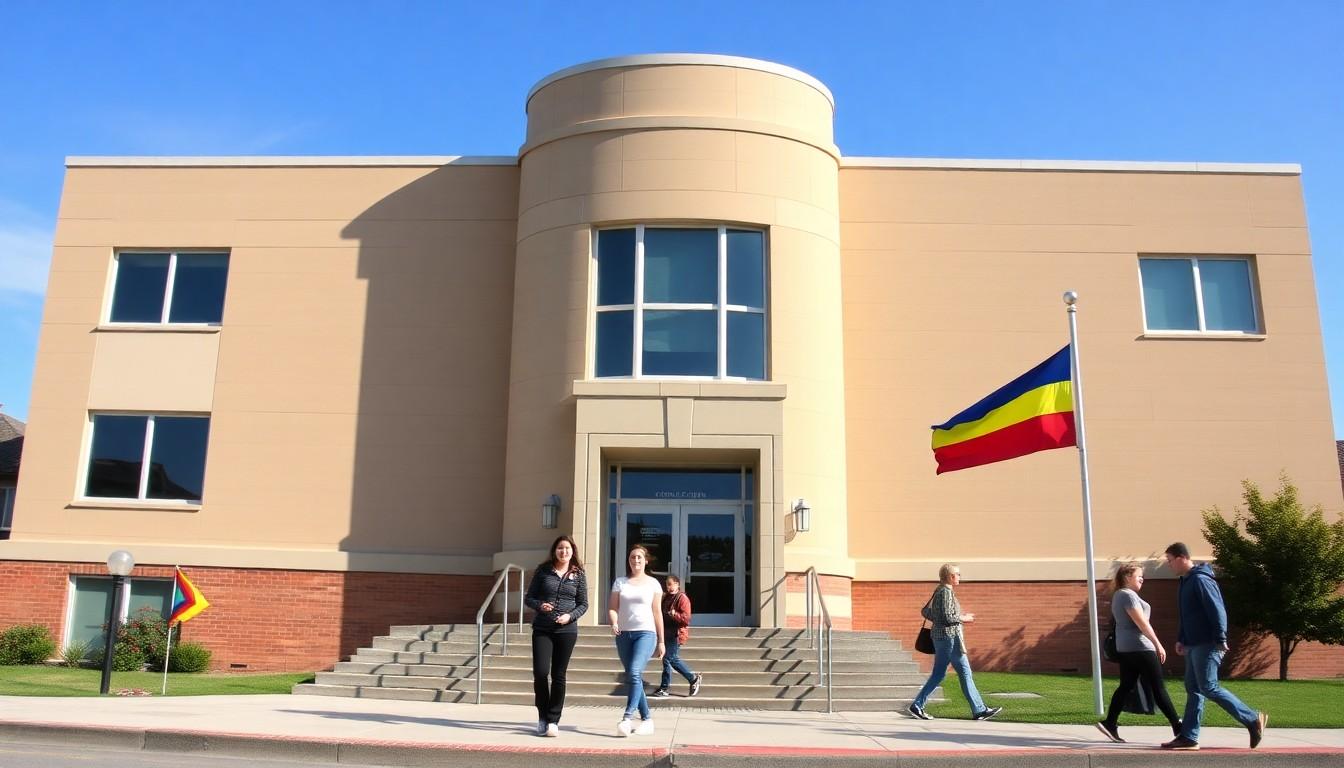
Families and advocates are urging allies to move beyond symbolic support as transgender young people face growing pressure around healthcare, education and everyday safety. The message is simple but urgent: listening, speaking up and connecting people with trusted resources can help build the welcoming world every child deserves.
Essential Takeaways
- Visibility matters: Support is most useful when it includes action, not just badges, flags or social posts.
- Daily dignity counts: Bathroom access, healthcare and respectful treatment affect young people’s safety and wellbeing.
- Stories can challenge misinformation: Personal accounts make complex issues human and harder to dismiss.
- Help is available: Organisations including The Trevor Project and Trans Lifeline offer crisis and community support.
- Allies have a role: Schools, healthcare settings, families and workplaces can make inclusion practical and visible.
Support needs to be more than a symbol
A rainbow sticker can open a door, but it can't carry the whole weight of support. For transgender children and teenagers, the reassuring sign matters most when it's backed by someone willing to challenge a cruel joke, correct misinformation or make sure a young person is treated fairly.
The wider landscape remains difficult. Human Rights Watch has warned that access to gender-affirming care for trans young people is under threat in the United States, making clear why families often feel they're navigating both personal pressures and political battles. The result can be exhausting, especially for teenagers who would rather be thinking about friends, hobbies and what to eat after school.
Everyday safety is part of wellbeing
Healthcare often receives the most attention, but ordinary routines matter too. Access to safe, appropriate bathrooms is a basic part of school life, and restrictions can turn a short break between lessons into a source of fear and scrutiny.
The National Center for Lesbian Rights highlights the importance of protecting transgender young people in schools and other settings. Meanwhile, TransEquality's guidance on bathroom access points to the practical reality: inclusion isn't an abstract idea, but something that shapes whether a child can move through the day without being singled out.
Why personal stories still cut through
Facts are essential, but stories often reach people first. A young person's favourite drink, a treasured fictional character or a soft, familiar piece of clothing can reveal the ordinary life behind a public argument. That detail matters because it brings the conversation back to a person, rather than leaving them reduced to a headline.
There are more ways to share those stories than ever, from memoirs and films to comics, theatre and social media. The Trevor Project's resources also show how important it is to pair visibility with direct support, particularly when a young person is distressed or unsure where to turn.
What practical allyship looks like
Start by listening without asking a trans child to educate everyone around them. Learn the basics from reliable organisations, use the right name and pronouns, and ask schools or healthcare providers how they protect privacy and dignity. If a conversation becomes hostile, staying quiet may feel polite, but it can leave the most vulnerable person carrying the discomfort alone.
Support can also be practical. The Transgender Law Center's resources point people towards community and advocacy information, while The Center provides support for transgender and gender-nonconforming people in New York and beyond. Donating, volunteering or sharing accurate resources can turn goodwill into something a family can actually use.
Keep the door open when someone is struggling
If a young person talks about hopelessness, self-harm or suicide, take them seriously and stay with them while seeking immediate help. In the US, The Trevor Project offers crisis support for LGBTQ young people, while Trans Lifeline provides peer support for trans and gender-diverse people. In an emergency, contact local emergency services.
No single conversation can fix a hostile political climate, and no parent should have to carry that burden alone. But a visible, informed adult can make a frightening moment less lonely. Sometimes the first step towards safety is simply showing that the door is open and that the young person doesn't have to walk through it alone.
Small acts of courage, repeated often, can make belonging feel real.
Source Reference Map
Story idea inspired by: [1]
Sources by paragraph:
- Paragraph 1: [2], [5]
- Paragraph 2: [3], [6]
- Paragraph 3: [4], [7]
- Paragraph 4: [2], [4]
- Paragraph 5: [2], [3]
- Paragraph 6: [5], [6]
- Paragraph 7: [3], [7]
- Paragraph 8: [2], [4]
- Paragraph 9: [2], [4]
- Paragraph 10: [2], [5]
- Paragraph 11: [2], [4]
- Paragraph 12: [3], [6]
- Paragraph 13: [2], [4]
- Paragraph 14: [2], [5]
- Paragraph 15: [2], [4]
- Paragraph 16: [2], [7]
- Paragraph 17: [2], [4]