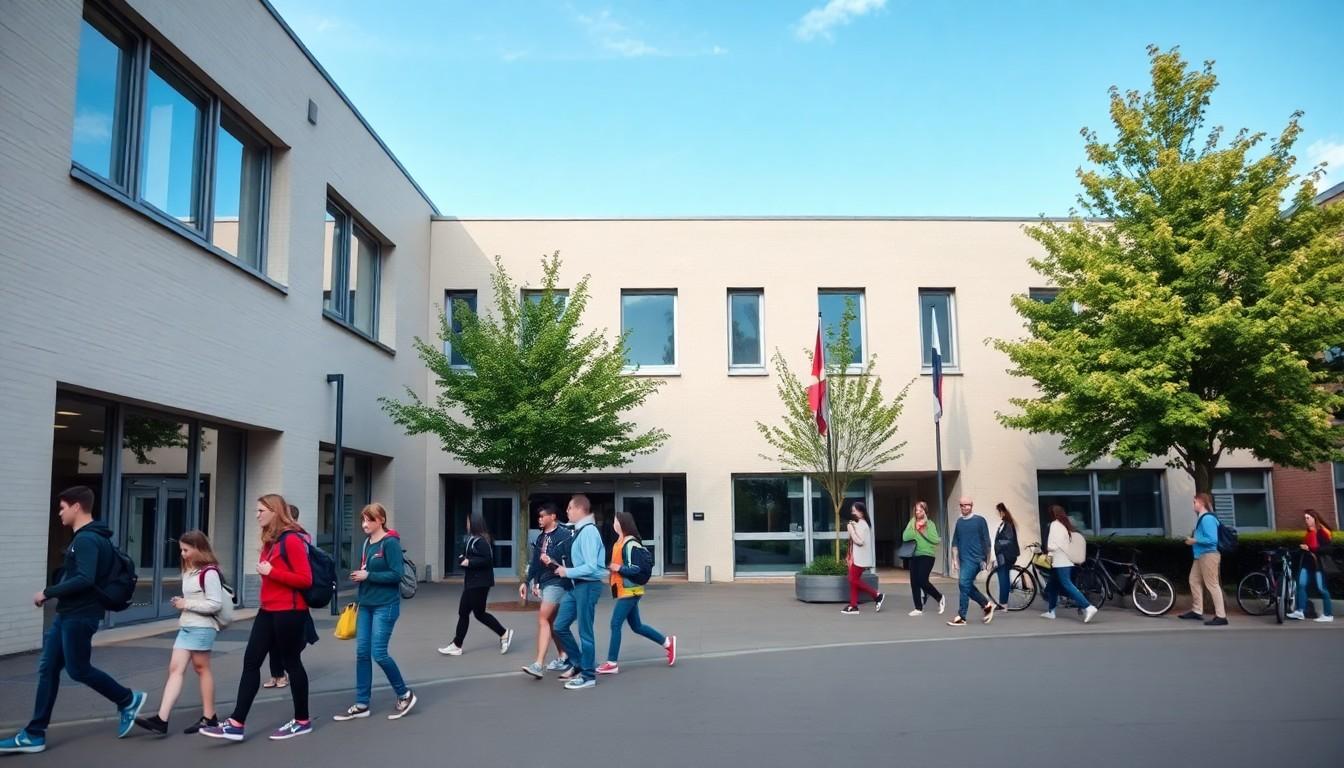
Schools across the Netherlands are putting Purple Friday back in the spotlight as concern grows about LGBTQ+ acceptance and the tone of public debate. The annual campaign gives pupils and staff a visible way to show solidarity, but falling participation in Amsterdam has raised a sharper question: can one school day change the atmosphere for the rest of the year?
Purple Friday is becoming a bigger school moment
Purple Friday has grown into a recognisable fixture in Dutch education, with schools invited to wear purple, organise lessons and make space for conversations about LGBTQ+ inclusion. COC Netherlands says participation is continuing to expand, giving the campaign a broader reach than its bright clothing and classroom activities might suggest.
The visual appeal is part of its strength. A corridor dotted with purple jumpers and badges makes support visible, especially to pupils who may otherwise feel isolated. According to COC's campaign information, schools can choose activities that suit their own community rather than follow one rigid format.
Why the Amsterdam figures have prompted concern
The debate intensified after reports that fewer Amsterdam schools were taking part, even as participation elsewhere increased. That contrast has prompted criticism from campaigners and commentators who believe Amsterdam's reputation as a welcoming city shouldn't be taken for granted.
COC has suggested that some schools outside the capital are catching up, while practical issues may explain changes in Amsterdam. Still, the disagreement points to a wider unease. If pupils feel less secure about being open at school, a quieter or more cautious campaign can feel significant, even when national numbers look healthier.
A badge is useful, but it's not enough
Purple Friday can open a door, but it can't carry the whole responsibility for inclusion. COC's educational guidance encourages schools to prepare activities in advance, helping teachers move beyond a single splash of colour and towards discussion, learning and support.
That distinction matters. A purple T-shirt is easy to spot, but a school culture is built through everyday language, clear anti-bullying rules and adults who know how to respond when a pupil asks for help. Respect needs to feel ordinary on a wet Tuesday in March, not unusually brave on one Friday in December.
How schools can make the day more meaningful
The most effective approach is usually practical and age-appropriate. Schools can brief staff, explain the purpose of the day, offer pupils several ways to participate and make sure activities don't pressure anyone to disclose personal information. COC's preparation resources are designed to help teachers plan lessons and discussions before the event.
It also helps to connect the campaign with existing pastoral and safeguarding systems. Students need to know where they can go afterwards, particularly if a classroom conversation brings up worries about harassment or family reactions. A thoughtful plan can make the day feel warm and welcoming rather than performative.
The campaign's next test is what happens afterwards
COC's recent updates present Purple Friday as part of a continuing national movement, with solidarity at its centre and more schools joining over time. That momentum is encouraging, but it also raises expectations. The bigger the campaign becomes, the more important it is that schools show how its message lives on after the decorations come down.
For Amsterdam, the challenge is especially pointed. The city may still want to be seen as open and accepting, but reputations aren't self-sustaining. Young people decide whether a place feels safe through daily experience, and that experience is shaped by classmates, teachers and the confidence to speak up when something goes wrong.
A purple school is a hopeful sight. A school where inclusion is routine is the real goal.
The strongest Purple Friday message is the one schools keep practising all year.
Source Reference Map
Story idea inspired by: [1]
Sources by paragraph: