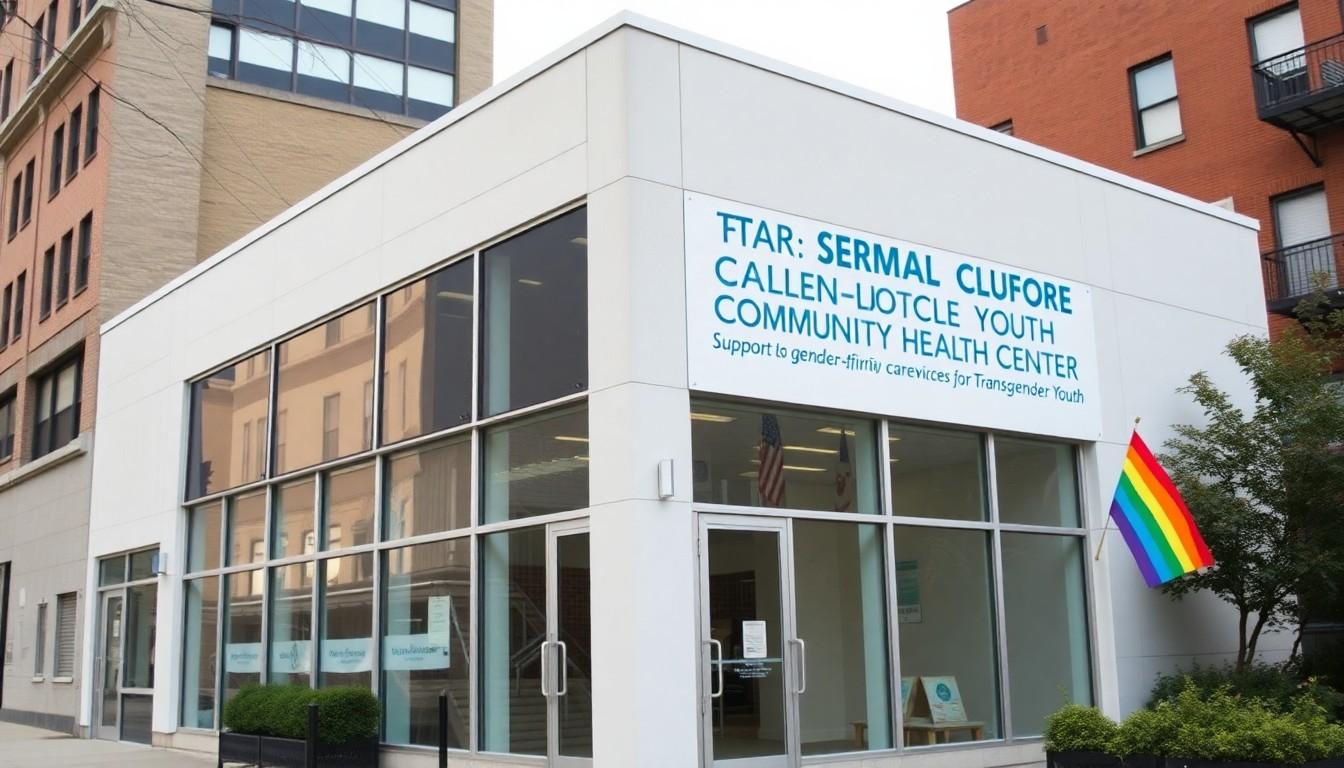
New York City is set to direct about $9 million towards gender-affirming care for transgender young people, after major hospitals restricted access. The planned support could help preserve treatment, including puberty blockers and hormone therapy, while giving families a clearer route to licensed providers during an increasingly unsettled period for trans healthcare.
Essential Takeaways
- Planned investment: The funding forms part of a wider $15 million city commitment to gender-affirming care.
- Services covered: Proposed provision includes puberty blockers and hormone replacement therapy.
- Three-year contract: The city procurement document indicates a start date of 1 February 2027.
- Potential providers: Callen-Lorde Community Health Center and the Nonprofit Organization for Philanthropic Initiatives are named as possible contractors.
- Why it matters: Access has tightened after NYU Langone and Mount Sinai agreed to stop offering some care for trans youth.
City funding steps in as hospital access narrows
The proposed $9 million investment arrives at a tense moment for New York families. Several large hospital systems have limited gender-affirming treatment for trans young people following agreements with the federal government, leaving specialist clinics and community providers carrying more of the load.
According to reporting from The Guardian, NYU Langone's decision has added to uncertainty around where young patients can receive ongoing support. For families already navigating referrals, waiting lists and emotionally demanding appointments, another change in the healthcare map can feel especially heavy.
The city plan is intended to keep care available through organisations with appropriately licensed medical staff. That practical detail matters: funding alone isn't enough if families can't find a qualified provider nearby or secure continuity of treatment.
What the proposed $9 million would cover
The procurement document identifies puberty blockers and hormone replacement therapy among the services the city wants to support. It also says providers must hold current New York State licences, putting professional standards and clinical oversight at the centre of the proposal.
Callen-Lorde Community Health Center and the Nonprofit Organization for Philanthropic Initiatives are listed as potential contractors. The arrangement would run for three years, beginning on 1 February 2027, although procurement plans can still change before a final contract is awarded.
The investment sits within a broader $15 million commitment announced by Mayor Zohran Mamdani. As LGBTQ Nation reported, the administration's approach is aimed at strengthening organisations already providing care rather than building an entirely separate system from scratch.
Why community clinics are becoming more important
Community health centres have become a crucial safety net as political and legal pressure reshapes transgender healthcare in the United States. Callen-Lorde, which has long provided LGBTQ+ healthcare, says it has continued treating trans youth with private, non-federal funds.
That shift is significant because the federal government has sought to restrict funding for institutions providing gender-affirming care to minors. The NYCLU has described the wider hospital changes as a serious threat to medically necessary treatment, particularly for patients who depend on established care teams.
For young people, continuity can be as important as the treatment itself. A familiar clinician, reliable prescriptions and a stable referral pathway can remove some of the fear from an already personal process.
What families should check before seeking care
Families should confirm whether a provider is accepting new patients, which services it offers and whether referrals or prior assessments are required. It's also sensible to ask about waiting times, prescription arrangements, safeguarding procedures and any costs that might fall outside the main appointment.
New York's proposed model focuses on licensed medical providers, but families should still check credentials and ask how care is coordinated between primary doctors, specialists and mental health professionals. The best route will vary depending on a young person's age, health needs and existing treatment history.
Most importantly, prospective funding doesn't mean every service will be immediately available. The contract is planned for 2027, so families may need to contact existing clinics, advocacy groups or local health departments for current information rather than waiting for the new programme to begin.
A local response to a national fight
The proposed funding is also a statement about the city's priorities. Major US medical associations support gender-affirming care for transgender minors, while federal policy under President Donald Trump has moved in the opposite direction.
The debate is therefore playing out not only in clinics but also through budgets, contracts and hospital agreements. New York City's decision could offer a model for how local governments support care when national policy makes access more difficult, although the size of the waiting lists and the final provider network will determine how much difference it makes in practice.
For families, the human question is simpler than the politics: can a young person receive safe, consistent and respectful healthcare? This investment suggests New York is trying to make the answer yes.
It's a significant step towards keeping gender-affirming care within reach for trans youth and their families.
Source Reference Map
Story idea inspired by: [1]
Sources by paragraph: