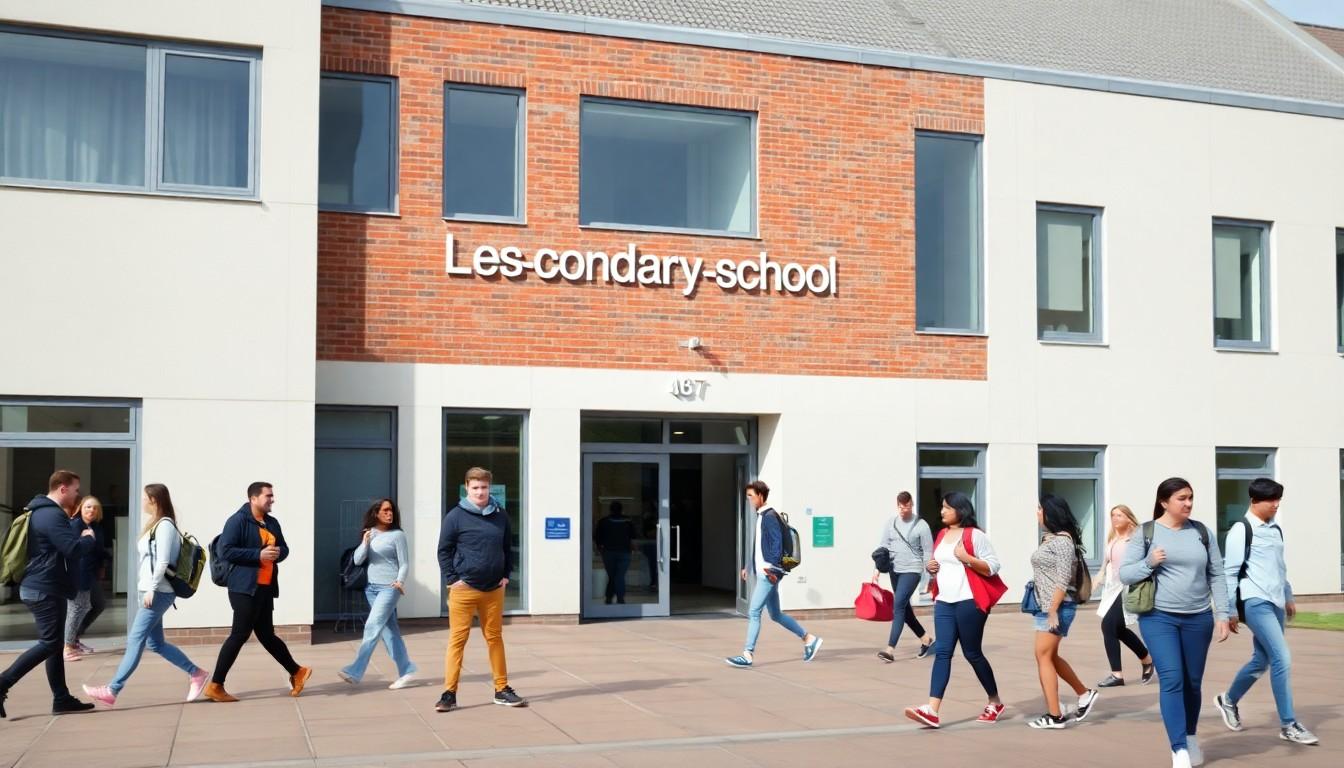
Schools across the Netherlands are preparing to mark Purple Friday, with more than 3,000 primary schools, secondary schools and colleges taking part. The event is moving from its usual December slot to October this year, as educators respond to falling acceptance of homosexuality among young people and push for safer, more welcoming classrooms.
Essential Takeaways
- Record participation: More than 3,000 education providers have registered, up from 2,890 last year.
- A new October date: Schools requested the change to avoid December's crowded calendar of celebrations and end-of-year events.
- Broad age range: Around 2,130 primary schools are participating, alongside 1,000 secondary schools and vocational colleges.
- Classroom support: The COC is supplying participating schools with lesson materials and a dedicated activity pack.
- Why it matters: Recent research found a marked decline in young people's acceptance of homosexuality in the Netherlands.
Purple Friday is reaching a record number of schools
The strongest signal this year isn't just the purple clothing or classroom decorations. It's the scale. More than 3,000 Dutch schools have signed up for Purple Friday, exceeding last year's total of 2,890, according to Daily Standard.
The event is designed to show support for LGBTQ+ pupils and staff, while encouraging conversations about identity, respect and belonging. In a school corridor, that can mean anything from purple jumpers to carefully planned lessons, but the message is much bigger than a colour. Research reported by Trimbos and Utrecht University points to a worrying shift in attitudes among young people. [2], [3]
Why Purple Friday has moved from December to October
This year's event will take place in October rather than December, following requests from participating schools. The earlier timing is practical: December is already packed with religious celebrations, festive activities and end-of-term administration.
That change could also give schools more breathing space to discuss inclusion before the winter rush begins. Utrecht University of Applied Sciences said the subject needs to be made openly discussable, rather than left to occasional campaigns or informal conversations in the playground. [4], [5]
For teachers, timing matters. A dedicated day is easier to use well when it isn't competing with nativity performances, exams, school trips and a rapidly disappearing final week of term.
The research behind the renewed focus
The increased interest follows research from the Trimbos Institute and Utrecht University, published last month. Its findings showed that acceptance of homosexuality among young people has fallen substantially, prompting concern among researchers and education professionals. Trimbos described the decline as a serious development requiring attention in schools and wider society. [3], [6]
The results help explain why this year's participation feels particularly significant. Schools aren't simply joining a colourful annual tradition; many are responding to a changing social climate. Reports from Dutch media have highlighted the same concern, with younger people showing more negative views of homosexuality than in previous research. [5], [7]
That doesn't mean one school day can solve the problem. But it can create a low-pressure opening for questions that pupils might otherwise avoid, especially when teachers have suitable materials and clear support.
What participating schools will receive
The COC is providing schools with a special package and teaching resources for Purple Friday. These materials are intended to help staff move beyond slogans and lead age-appropriate discussions about LGBTQ+ lives, prejudice and the right to feel safe at school.
The numbers show that the initiative spans the full education system. Of the participating institutions, 2,130 are primary schools, while 1,000 are secondary schools and vocational colleges, according to the reported figures. That broad reach matters because attitudes are shaped long before pupils reach their teenage years. [2], [4]
For families, a useful question isn't simply whether a school is taking part. It's what the school is doing with the opportunity. Look for clear information about lessons, pastoral support and how staff respond to bullying, rather than judging the day by decorations alone.
A visible gesture with a bigger job to do
COC director Marie Ricardo said it was heartening to see teachers and pupils commit to schools where everyone can be themselves. Her comments, reported in coverage of the announcement, reflect the emotional purpose of the event: visibility can reassure pupils who feel isolated and signal that intolerance won't be treated as harmless banter. [1], [6]
Still, the longer-term test comes after the purple accessories have been packed away. Researchers and educators have stressed the importance of keeping conversations going throughout the year, particularly as attitudes appear to be hardening in some groups. A single Friday is a starting point, not a complete inclusion policy. [3], [7]
For pupils who have ever wondered whether they fit in, though, a busy school full of visible support can feel quietly powerful. Sometimes the first step towards a safer classroom is simply showing that someone is paying attention.
It's a small burst of purple, but the conversation needs to last all year.
Source Reference Map
Story idea inspired by: [1]
Sources by paragraph: