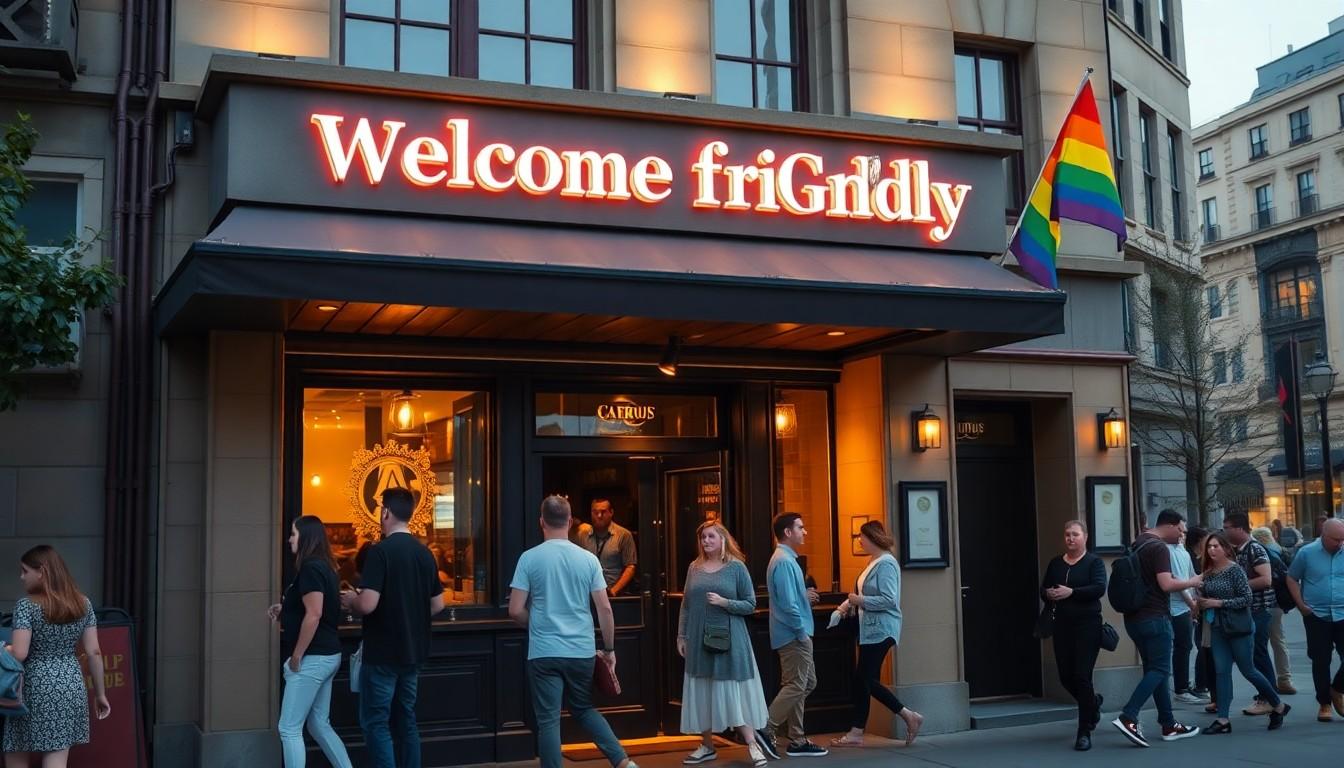
LGBTQ+ bars across the US are changing shape, balancing financial pressure with a renewed demand for queer community spaces. From pop-up events and new clubs to the revival of lesbian venues, the latest trend is less about disappearing nightlife and more about creating welcoming places that reflect how people gather now.
The queer bar is changing, not vanishing
Walk into a successful LGBTQ+ venue today and you may find more than loud music, sticky floors and a late-night crowd. There might be a daytime event, a fundraiser, a community meeting or a quieter corner designed for conversation. That broader role matters as queer spaces adapt to changing habits and tougher economics.
Research published in Socius found that the number of LGBTQ+ bars in the US fell sharply between 2002 and 2023, with smaller cities experiencing especially heavy losses. The decline reflects population change, rising costs, gentrification, changing social habits and the damage caused by the pandemic, rather than one simple explanation. [2]
Yet the picture isn't simply bleak. New venues continue to open, while established spaces are finding ways to return after closures. Washington DC's Bunker, for example, emerged as a new LGBTQ+ nightclub designed around a distinctive atmosphere rather than a one-size-fits-all formula, Axios reported. [6]
Why local spaces still matter
For many people, an LGBTQ+ bar is more than a place to buy a drink. It's where friendships begin, fundraisers happen and newcomers find a community that understands them without a lengthy explanation. That role becomes even more visible in places with few alternative queer venues.
The loss of a local bar can therefore feel surprisingly personal. Research into LGBTQ+ geographies has shown how nightlife venues help create visibility, belonging and informal networks, while also revealing who feels welcome and who doesn't. [3] The idealised version of queer nightlife can be comforting, but it shouldn't erase problems such as discrimination, body policing or harassment.
That tension is now shaping the next generation of venues. A bar may need to serve regulars who want continuity while also welcoming trans patrons, younger customers, sober visitors and people who don't identify with traditional gay-club culture. In practice, that means programming and atmosphere can matter just as much as the drinks list.
Smaller cities are finding creative ways forward
The biggest cities may have more room for specialist venues, but smaller communities often need flexible solutions. Portland's LGBTQ+ nightlife scene has increasingly included pop-ups and temporary events, Axios reported, offering community connection without the overheads of a permanent bar. [4]
That model has an appealing practicality. A one-night party, rotating gathering or collaborative event can test demand, support local performers and bring people together without requiring a business to carry a full-time lease. It also suits a generation used to discovering community through events rather than fixed institutions.
Still, temporary spaces can't replace every function of a permanent venue. A familiar address offers routine, visibility and somewhere to go on an ordinary evening, not just during a carefully promoted event. The strongest local scenes may ultimately combine both approaches, mixing permanent venues with pop-ups, cafes, bookshops and community projects.
Reopenings show the appetite is still there
When a well-known venue shuts, its story doesn't always end. In Richmond, efforts to reopen Papi's have shown how much emotional and cultural weight can sit behind a single LGBTQ+ bar, with supporters fighting to restore a familiar gathering place. [5]
Charlotte has seen a similar pattern, with the long-running Scorpio preparing to reopen in a former South End nightclub site. Axios reported that the move reflects both the venue's enduring identity and the practical value of returning to a space already associated with nightlife. [7]
These comebacks aren't guaranteed to succeed. Owners still face rent, staffing, licensing and safety costs, while customers have more entertainment choices than ever. But the willingness to reopen says something important: people still want places where queer life is visible, spontaneous and shared.
What makes a welcoming queer venue now?
The most resilient LGBTQ+ bars are likely to be those that understand their audience as varied rather than uniform. A venue might host a dance night on Friday, a community fundraiser on Sunday and a low-key social event another evening. That flexibility can make the business more useful and help different groups feel that the space belongs to them too.
Location matters, but so does the feeling at the door. Clear anti-harassment policies, accessible layouts, thoughtful security and staff who know how to handle difficult situations can make a night out feel safer and more relaxed. Welcoming straight customers can also help a venue survive, provided that inclusion doesn't push queer patrons to the margins.
The broader shift is encouraging. LGBTQ+ bars no longer have to carry the entire weight of queer social life, and that can free them to become better at what they do. The future may be less about recreating one legendary kind of bar and more about building a varied network of spaces that lets people choose the atmosphere they need.
For anyone looking to support a local venue, the simplest advice is often the most useful: turn up, spend thoughtfully, follow the house rules and tell others when a place makes you feel welcome. Community is built through repetition, not just nostalgia.
The best queer spaces aren't frozen in the past; they're making room for the future.
Source Reference Map
Story idea inspired by: [1]
Sources by paragraph:
- Paragraph 1: [2], [4]
- Paragraph 2: [2], [6]
- Paragraph 3: [3], [5]
- Paragraph 4: [4], [7]
- Paragraph 5: [5], [6]
- Paragraph 6: [2], [3]
- Paragraph 7: [4], [6]
- Paragraph 8: [5], [7]
- Paragraph 9: [2], [3]
- Paragraph 10: [4], [5]
- Paragraph 11: [6], [7]
- Paragraph 12: [2], [3]
- Paragraph 13: [4], [6]
- Paragraph 14: [5], [7]