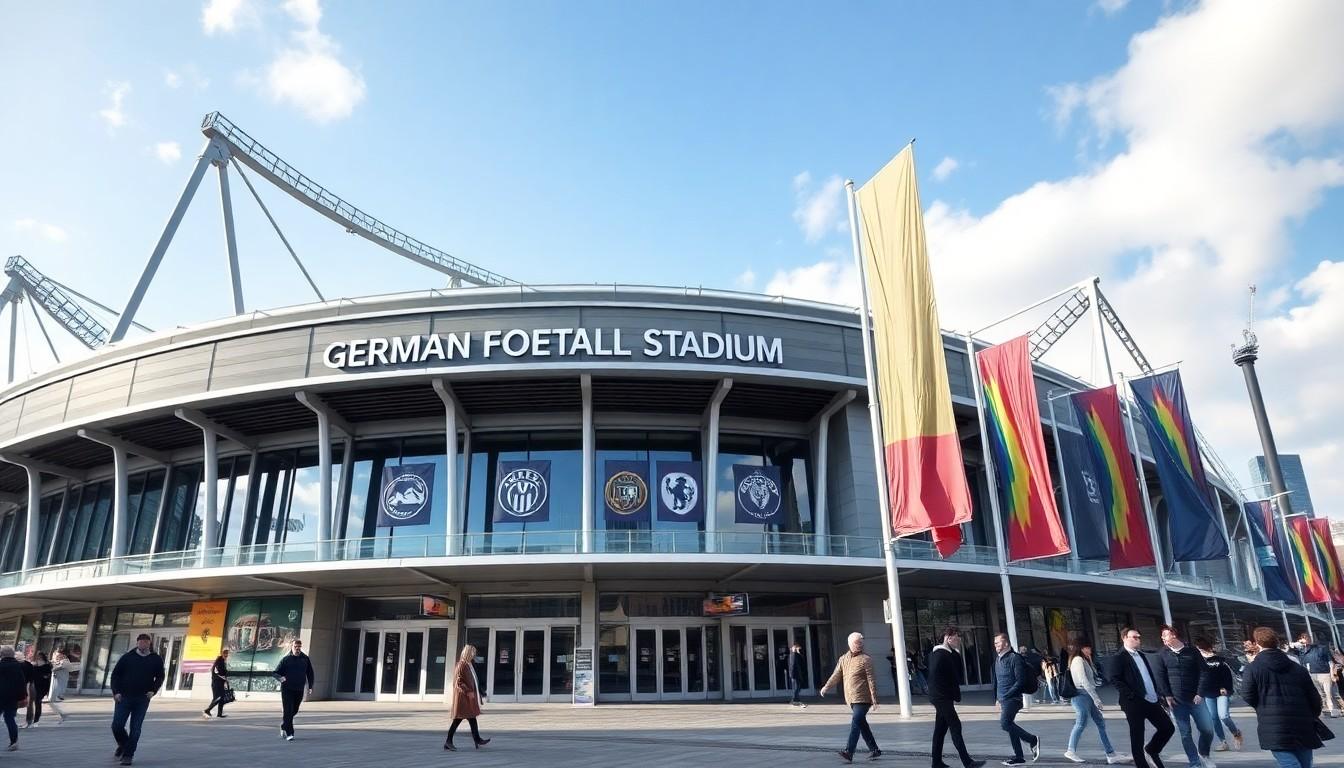
Former Germany international Mario Basler has reignited debate over homosexuality in professional football, arguing that an openly gay male player could still face severe hostility during a career. His comments, discussed on Hella von Sinnen's podcast, highlight why visibility, safety and genuine institutional support remain so important across the sport.
Essential Takeaways
- Basler's warning: He believes an openly gay player in German professional football could face intense pressure and abuse.
- A complicated legacy: Thomas Hitzlsperger came out publicly after retiring, becoming one of the sport's best-known LGBTQ+ figures.
- Visibility matters: Few openly gay male footballers have played at the highest level, reflecting the barriers players still fear.
- Support must be practical: Anti-discrimination messages mean little without protection from teammates, supporters and online abuse.
Basler's blunt warning has reopened an old football debate
Mario Basler didn't soften his assessment. Speaking with comedian and presenter Hella von Sinnen, the former Germany international said a player coming out during a professional career could be effectively driven out of the game.
His language was stark, but the concern behind it is familiar. According to Express, Basler argued that a player who publicly identified as gay could face such a punishing reaction that continuing would become almost impossible. It's a grim picture for a sport that regularly celebrates diversity in slogans, campaigns and rainbow-coloured armbands.
Basler also stressed that he has no issue with gay men or lesbians. The tension, he suggested, lies not in personal acceptance but in football's culture and the reaction a player might meet inside stadiums, dressing rooms and social media feeds.
Why coming out during a career still feels risky
Professional football is built around belonging, but its traditional version of masculinity can be unforgiving. Players are expected to appear fearless, physically dominant and emotionally controlled, while banter is often treated as harmless even when it crosses into abuse.
Queer.de reported that Basler described the environment as deeply troubling and suggested that an openly gay player could be subjected to sustained hostility. That doesn't mean every teammate or supporter would react negatively, of course. It does show why a player might weigh personal safety, contracts, family life and mental health before saying anything publicly.
The fear isn't limited to one country. FourFourTwo has reported on the tiny number of openly gay male players at elite level, with former professionals pointing to football's macho traditions as one reason the figure remains so low. Silence, in that context, may be less about secrecy than self-protection.
Thomas Hitzlsperger's example remains complicated
Thomas Hitzlsperger became a central figure in the conversation when he publicly came out in 2014, after ending his playing career. His decision was widely praised, especially because it brought high-profile visibility to an issue football had often avoided.
Basler, however, questioned the idea that Hitzlsperger should have encouraged active players to follow his example. As Prisma reported, Basler's view was that Hitzlsperger's own timing showed how difficult the decision could be while still competing.
That criticism creates an uncomfortable but important distinction. A retired player can speak with greater freedom, while an active player may still depend on clubs, agents, sponsors and supporters. Hitzlsperger's experience opened the door, but it didn't magically make the path safe for everyone who followed.
The shortage of openly gay male players tells its own story
Football has made progress in some areas, particularly women's football, where LGBTQ+ players are more visible and often more openly supported. Men's football, especially at the highest level, remains noticeably different.
FourFourTwo has explored why so few male players have come out, linking the problem to entrenched ideas about masculinity and the fear of becoming a permanent target. A player may worry that every mistake will be reframed through his sexuality, turning ordinary sporting criticism into something much more personal.
That helps explain why public declarations alone aren't enough. A rainbow logo looks fine in a campaign photograph, but players need clear reporting systems, confident club leadership and consequences for homophobic abuse. Otherwise, football is asking individuals to take a huge personal risk while offering only polished words in return.
What would make football safer for LGBTQ+ players?
The most useful changes would be practical rather than theatrical. Clubs could provide confidential support, train coaches and teammates properly, and make it clear that discriminatory chants or online threats will be acted on rather than merely condemned.
Supporters also have a role. Challenging homophobic language in the stands, refusing to share abusive posts and backing players consistently can shift the atmosphere faster than another one-off awareness event. It may sound basic, but basic standards are still missing in too many parts of the game.
Basler's comments are uncomfortable because they suggest football's public image has moved faster than its everyday culture. The sport can insist it welcomes everyone, but players will judge that promise by what happens when the first active male star decides to live openly.
Football doesn't need another slogan as much as it needs the courage to protect the person behind it.
Source Reference Map
Story idea inspired by: [1]
Sources by paragraph:
- Paragraph 1: [2], [4]
- Paragraph 2: [3], [4]
- Paragraph 3: [2], [3]
- Paragraph 4: [5], [6]
- Paragraph 5: [3], [4]
- Paragraph 6: [5], [7]
- Paragraph 7: [5], [6]
- Paragraph 8: [5], [7]
- Paragraph 9: [5], [6]
- Paragraph 10: [2], [4]
- Paragraph 11: [5], [6]
- Paragraph 12: [3], [5]
- Paragraph 13: [5], [7]
- Paragraph 14: [2], [4]
- Paragraph 15: [5], [6]
- Paragraph 16: [3], [5]