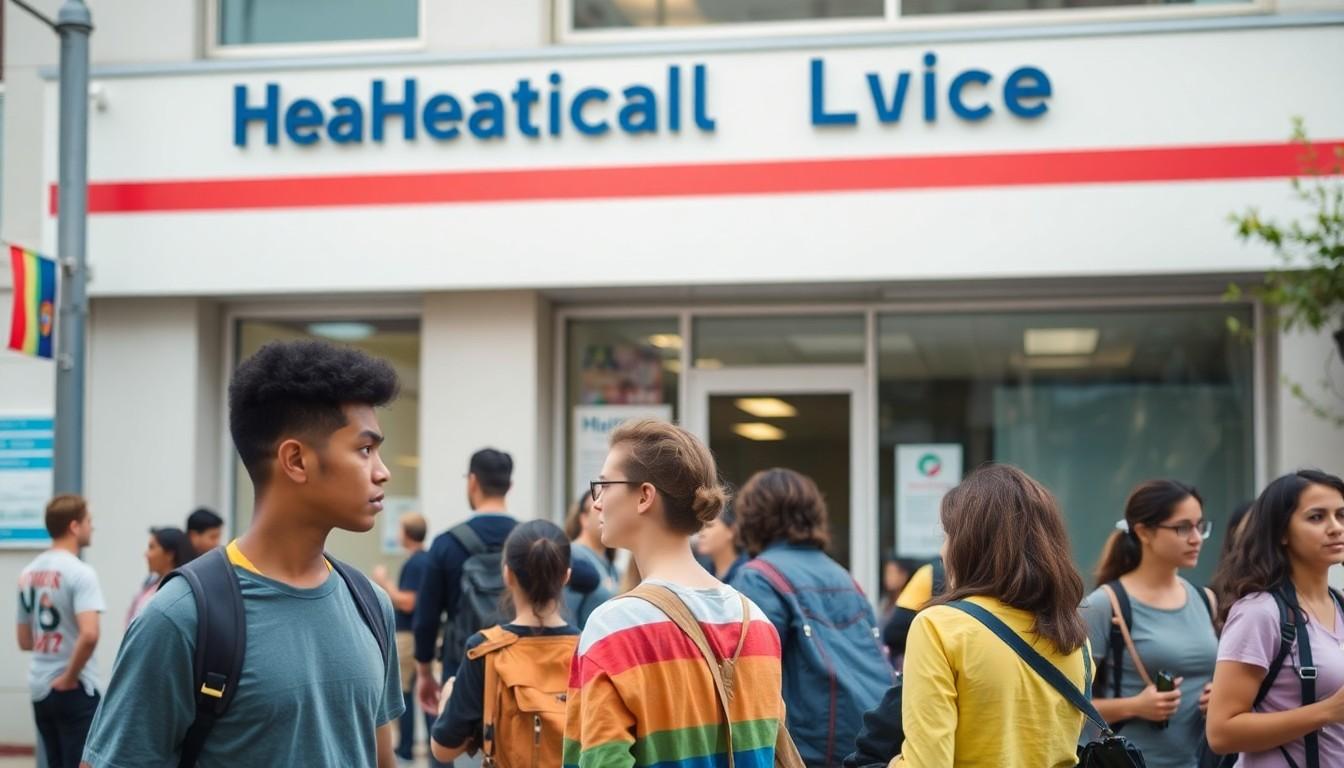
A new US federal rule could restrict Medicaid and CHIP funding for gender-affirming care for transgender and non-binary young people from October 2026. The Trevor Project says the measure risks worsening mental-health outcomes, while families, clinicians and advocates prepare for a legal and political fight over who should make personal medical decisions.
Essential Takeaways
- Rule timeline: The policy is intended to take effect in October 2026, if it survives legal challenges.
- Who could be affected: Transgender and non-binary children and young people whose care is supported through Medicaid or CHIP.
- Mental-health stakes: Research links access to wanted care and support with lower depression and suicide risk.
- What changes now: The rule doesn't create an immediate nationwide ban, and hospitals aren't automatically prohibited from providing treatment.
- Support matters: Family, friends and affirming communities can make a meaningful difference to young people's wellbeing.
A federal funding rule puts care under pressure
The Centres for Medicare & Medicaid Services has issued a rule that would end federal Medicaid and CHIP funding for certain gender-affirming procedures for children and young people. CMS describes the measure as a restriction on what federal programmes may finance, but The Trevor Project argues that it could make established care harder to reach for families who rely on public insurance.
The proposed start date is October 2026, leaving time for lawsuits, administrative action and further debate. In practical terms, that means the announcement is serious, but it isn't an overnight change to every provider's practice. CMS's position and the advocacy group's response show just how sharply divided the issue has become. [2]
Why advocates are sounding the alarm
The Trevor Project says more than 35,000 public comments were submitted after the rule was first proposed. Its central argument is straightforward: decisions about treatment should be made by patients, families and clinicians, rather than through a blanket federal funding restriction.
That argument sits within a wider mental-health picture. The organisation's research on LGBTQ+ young people highlights persistent barriers to diagnosis and care, including difficulty finding supportive professionals, affordability problems and fear of discrimination. For a young person already feeling anxious, navigating a complicated healthcare system can feel like carrying a rucksack that gets heavier at every step. [3] [6]
Access and support are closely linked to wellbeing
The debate isn't only about policy language. Research cited by The Trevor Project has associated access to gender-affirming hormone therapy with lower rates of depression, suicidal thoughts and suicide attempts among transgender and non-binary young people. That doesn't mean every young person needs the same treatment, but it does underline why individual assessment matters.
Support outside the clinic matters, too. Studies on transgender and non-binary young people of colour point to the protective role of family, friends and community, while research into gender euphoria explores how feeling comfortable and affirmed in one's identity can support mental health. In other words, wellbeing is shaped by more than a prescription or a policy document. [4] [5]
What families and carers need to know
Nothing in the announcement means all gender-affirming care stops nationally. The Trevor Project says the rule wouldn't ban hospitals from providing these services, although limiting public funding could still affect affordability, availability and continuity for some families. Those details may vary by state, insurer and provider, so a trusted clinician or qualified healthcare adviser is the right place to ask what applies locally.
Families should keep copies of medical records, ask providers how they expect the rule to affect appointments and prescriptions, and check whether alternative coverage or referral routes exist. It also helps to avoid relying on social-media summaries, which can flatten complicated legal and clinical questions into a frightening headline. [2] [6]
Young people's voices should stay part of the conversation
The Trevor Project's longer-term research reflects an important point: young people's mental health is shaped by changing circumstances, relationships and access to support over time. That makes it especially important to listen to what young people say they need, rather than treating them as an abstract political battleground. [7]
For supporters, practical help can be refreshingly simple. Use a young person's chosen name and pronouns, make space for questions, help them find affirming care and take signs of distress seriously. Anyone in the US who needs immediate LGBTQ+ youth support can contact The Trevor Project by phone, text or online chat, with trained counsellors available around the clock. [3] [4]
It's a high-stakes policy fight, but compassionate support remains useful right now.
Source Reference Map
Story idea inspired by: [1]
Sources by paragraph: