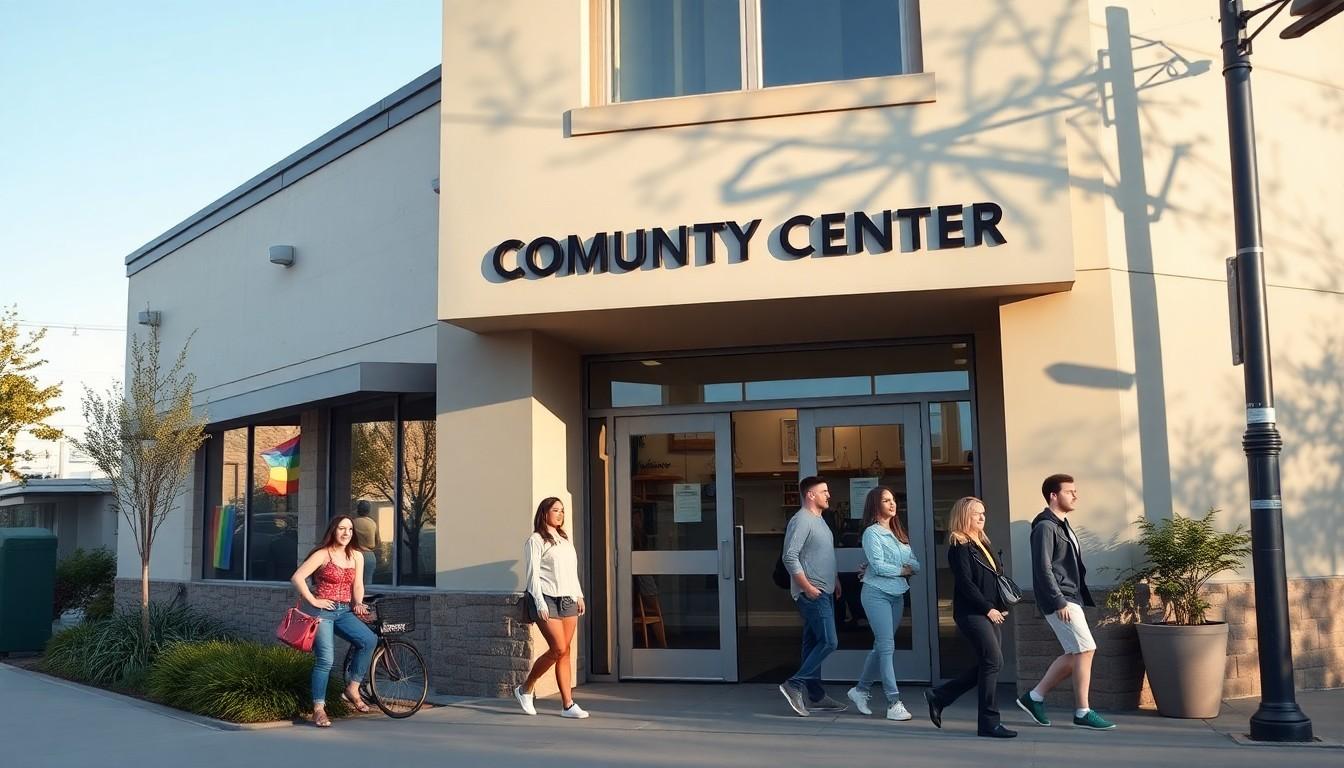
People are marking National LGBT Center Awareness Day by spotlighting the welcoming spaces that offer advice, connection and practical help. Held on 19 October, the observance draws attention to LGBT community and campus centres, whose everyday work can be a lifeline for people seeking information, services or a place to feel understood.
Essential Takeaways
- A day of action: National LGBT Center Awareness Day takes place on 19 October.
- A broad reach: Community centres serve tens of thousands of people in a typical week.
- Practical support: Centres offer referrals, education, advocacy and social connection.
- Campus presence: LGBT offices and centres support students, staff and wider communities.
- Easy ways to help: Volunteering, donating and sharing local services can all make a difference.
More than a date on the calendar
National LGBT Center Awareness Day is designed to put community centres firmly in the spotlight. These organisations may host events and support groups, but much of their most important work happens quietly, through advice, signposting and a reassuring first conversation.
According to National Today, the observance encourages people to learn more about LGBT centres and the services available locally. That matters because a centre can be the first place someone turns when they need trustworthy information, want to explore their identity or are looking for a safe social space.
Why LGBT community centres still matter
For many people, an LGBT centre is more than a building with a noticeboard and a kettle. It can offer links to healthcare, housing advice, counselling, legal support and other specialist services, often helping people navigate systems that feel intimidating on their own.
The original observance information says community centres serve more than 43,500 people in a typical week and refer thousands more to other agencies. Those figures underline a simple point: these organisations aren't only about visibility. They're part of the practical support network in many communities.
Campus centres bring support closer to students
College and university LGBT centres have a slightly different rhythm. They may provide training, educational resources, peer support and referrals for students, staff and faculty, while also helping campuses become more informed and inclusive.
National Day Calendar highlights the role of campus offices in connecting people with information and advocacy. For a student arriving in a new city, that local knowledge can be invaluable. Finding a familiar, friendly service early can make university life feel less isolating, especially during a major transition.
How to support an LGBT centre near you
The most useful first step is simple: find out what your nearest centre actually offers. Some focus on youth services, health advice or community events, while others provide broader support. Checking opening times and eligibility requirements before visiting can save a frustrating trip.
Awareness Days recommends using the observance to engage with the wider community-centre movement. That could mean attending an event, sharing a centre's contact details, volunteering skills or making a donation. Even passing on accurate information can help someone find support when they need it most.
A moment to recognise the people behind the work
National LGBT Center Awareness Day also offers a chance to thank staff, volunteers, funders and local supporters. Their work can involve everything from organising a lively celebration to making a careful referral during a difficult week. Both matter.
As centres respond to changing needs, their role is likely to remain grounded in the same essentials: visibility, trust and practical help. Sometimes the most powerful service is simply knowing that somewhere is open, welcoming and ready to listen.
A small act of awareness can help someone find a much-needed sense of belonging.
Source Reference Map
Story idea inspired by: [1]
Sources by paragraph: