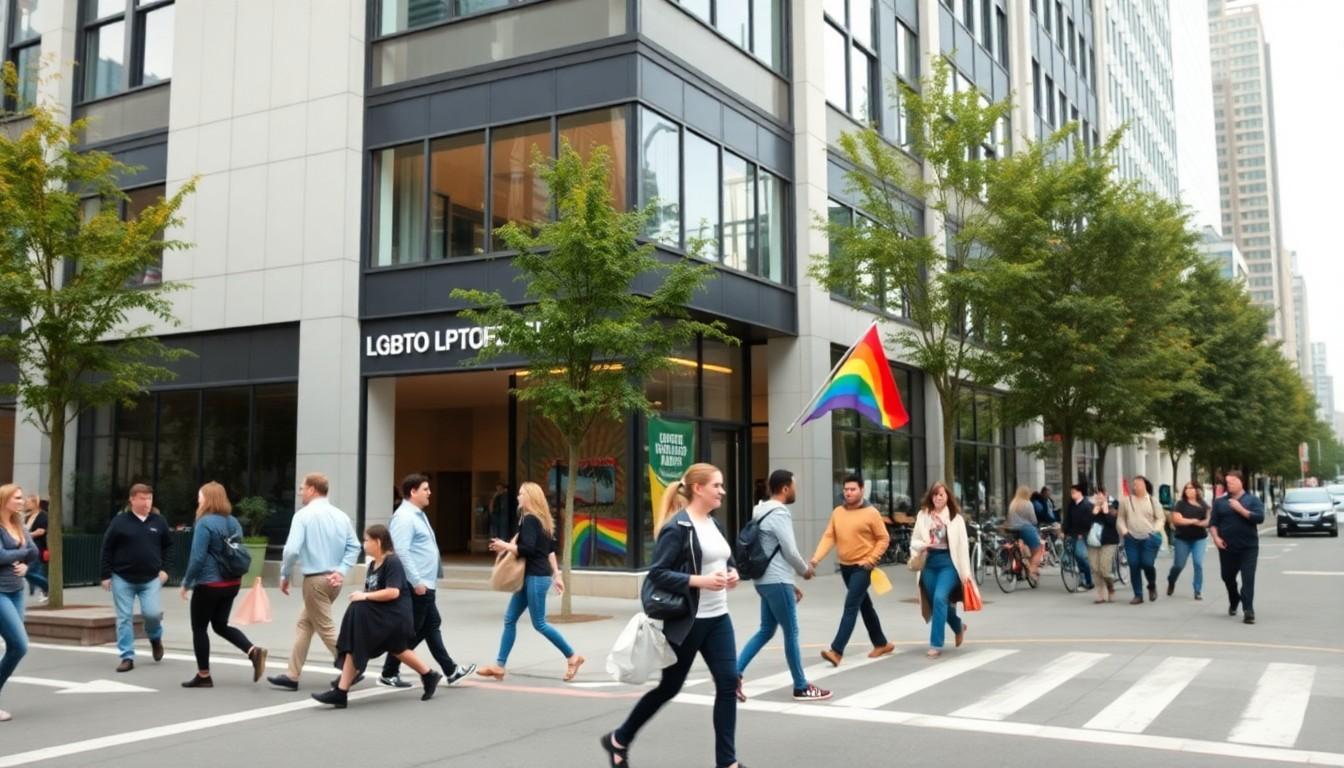
People across the US mark National Coming Out Day on 11 October with stories, education and LGBTQ+ solidarity. The annual observance matters because coming out remains deeply personal: for some, it's joyful and freeing, while for others, safety and privacy must come first.
Essential Takeaways
- Marked annually: National Coming Out Day takes place on 11 October.
- Founded in 1988: The observance was created by Richard Eichberg and Jean O'Leary.
- Rooted in protest: Its date recalls a major 1987 march for lesbian and gay rights.
- A personal choice: Coming out should happen only when someone feels ready and safe.
- More than celebration: The day also highlights ongoing discrimination, health concerns and the value of support.
Why National Coming Out Day still matters
National Coming Out Day puts visibility at the centre of the LGBTQ+ calendar. It recognises the courage involved in sharing an identity, while also making space for people who aren't ready, willing or able to do so. As Columbia Psychiatry explains, coming out isn't one dramatic moment but often a long, changing process. [4]
That distinction is important. A cheerful social-media post might look effortless, but behind it can sit years of uncertainty, family conversations and worries about work, housing or personal safety. According to UCLA Health, the experience can bring relief and connection, but it can also expose people to real emotional and practical risks. [6]
The 1988 origins behind the date
The observance was founded in 1988 by psychologist Richard Eichberg and gay rights activist Jean O'Leary. Its date was chosen to echo the second anniversary of the 1987 March on Washington for Lesbian and Gay Rights, a major demonstration that demanded attention to LGBTQ+ rights and the AIDS crisis. [5]
That history gives the day a sharper edge than its colourful celebrations might suggest. It grew from activism, grief and demands for political recognition, not simply from a desire for greater visibility. The Human Rights Campaign has continued to describe National Coming Out Day as a moment to recognise both personal bravery and collective progress. [2]
Coming out looks different for everyone
There isn't a correct script for coming out. Someone might tell a trusted friend, join an LGBTQ+ group, share their identity online or simply begin using language that feels more truthful. Others may choose not to disclose at all, especially if they depend on unsupportive relatives or face hostility at school, work or home. [4]
Supporters can help by listening without taking over. Avoid pressing for details, outing someone to others or treating a disclosure as gossip. A calm response, practical reassurance and respect for confidentiality can make a surprisingly powerful difference, particularly when the person is nervous. [6]
Celebration, awareness and the work still ahead
Events linked to National Coming Out Day can include talks, community gatherings, campaigns and marches. These moments offer visibility, but they also remind people that acceptance isn't evenly shared. The Human Rights Campaign has used the occasion to highlight continuing discrimination and the importance of protecting LGBTQ+ people in public life. [3]
The wider conversation has also changed. Visibility now happens through podcasts, television, workplaces and online communities, allowing people to find others who understand their experience. Still, digital openness can bring harassment and unwanted exposure, so privacy settings and careful boundaries remain sensible rather than gloomy. [7]
How to offer meaningful support
If someone comes out to you, start with a simple thank you for trusting you. Ask what support they want, keep their information private and let them decide who hears next. If they're facing rejection or threats, practical help, including a safe place to stay or contact with a specialist organisation, may matter more than a perfectly worded speech. [6]
For anyone considering coming out, preparation can help. Think about who is likely to respond kindly, choose a setting where you can leave comfortably and keep essential contacts or documents accessible. There is no deadline, and staying private for now isn't a failure. As National Coming Out Day approaches, that message may be its most humane one. [4]
It's a day for visibility, but also for choice, safety and solidarity.
Source Reference Map
Story idea inspired by: [1]
Sources by paragraph: